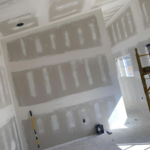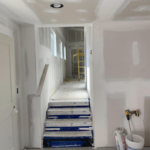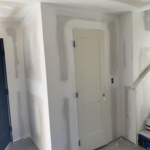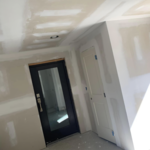
Top-rated drywall pros.

Best drywall pros near Leoma, TN

Enter your zip and get matched with up to 5 pros

Need a pro for your drywall service project in Leoma, TN?

Select your specific project to find the pro for you.

TRUSTED BY LEOMA, TN HOMEOWNERS

  • Average homeowner rating star icon4.9
    Average homeowner rating
  • Verified reviews icon22
    Verified drywall services reviews

Top-Rated Drywall pros in Leoma - Updated Nov 2026

Avatar for PERRY'S DONE RIGHT SERVICES, LLC
PERRY'S DONE RIGHT SERVICES, LLC
5.0(
13
)
Drywall - Repair

Serving Leoma, TN and surrounding areas

In business since 2025

Free estimates

Credit card accepted

PERRY'S DONE RIGHT SERVICES, LLC is dedicated to providing our customers with the best quality and \ncraftsmanship. We are here to build relationships with our customers and communities and to provide \nour employees with a great place to work. We look forward to working with you!

Handyman services
Handyman services
Handyman services
Handyman services
Handyman services

+11

Avatar for Bold Touch
Bold Touch
5.0(
6
)
Drywall - InstallDrywall - Install - For BusinessDrywall - Repair+1 more

Serving Leoma, TN and surrounding areas

In business since 2007

Free estimates

Emergency services offered

We do many different types of jobs, such as: installing drywall/finishing, flooring, roofing, tile, painting, porches, siding, concrete, install door/windows, plumbing, and more! \n\nWe treat customers the way we want to be treated. Very respectful towards everyone. We do work the right way and make sure everything is done right for our customers. We like seeing our customers satisfied with any project we are hired to do. \n\nWe have experience since the early 2000's in a wide range of industries.

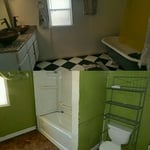
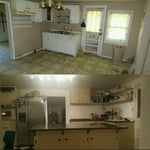
Before
Before
Remodeling - Kitchen & Bathroom Project
Bathroom remodel Project
Remodeling - Bathroom Project

+50

Recommended by100%of homeowners
...
Showing 1-10 of 77
Drywall FAQs, answered by experts

Whether you can reuse a drywall anchor depends on its type, material, and how it is removed. Plastic anchors, such as expansion or self-drilling types, are generally considered single-use because they are designed to expand and are likely to break or become deformed upon removal. Metal anchors, like toggle bolts, are more durable and can often be reused if they are not damaged during extraction. However, with toggle bolts, the toggle mechanism can fall inside the wall when the bolt is removed, making it difficult to retrieve. If an anchor is damaged or must be cut for removal, it cannot be reused regardless of its material.

Plastering and skimming are two different techniques for finishing walls. Plastering involves applying a thick layer of a plaster mixture—typically containing gypsum, lime, cement, sand, and water—to create a new surface. This process often requires multiple coats and is used for repairing significant damage or creating decorative textures. Skimming, on the other hand, is a technique that involves applying a thin layer of drywall compound or joint compound over an existing surface to smooth it out, covering minor imperfections, small cracks, or uneven textures for a polished look. Plastering is generally more costly and labor-intensive than skimming. Although some people use the terms interchangeably, they refer to different processes and materials.

Some painters will repair minor drywall damage. For repair work of any kind, it’s a good idea to hire the professional required for the job. Many painters will have the materials on hand and can add them to the total cost. While you may save some money, there is a chance the work will be subpar compared to a professional who specializes in drywall.

When doing a DIY paint job, it can be tricky to achieve the perfect, straight line between your wall and ceiling. There are several methods, including lining it with painter’s tape and using the “cut in” brush tactic. Some homeowners choose to apply a thin line of caulk to the wall-ceiling seam to create the appearance of a perfect line.
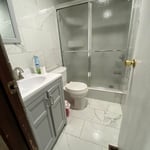
The two most common drywall thicknesses for ceilings are 1/2-inch and 5/8-inch. For most standard residential applications, 1/2-inch drywall is sufficient and widely used. It provides adequate support and is lighter and easier to handle during installation compared to thicker sheets. However, 5/8-inch drywall is often used for specific cases where additional benefits are needed. It is heavier but provides superior sound dampening and fire resistance. You should consider using 5/8-inch drywall for ceilings in commercial buildings, between a garage and a living space, or above a finished basement to meet building codes or for enhanced soundproofing.

The Leoma, TN homeowners’ guide to drywall services

From average costs to expert advice, get all the answers you need to get your job done.