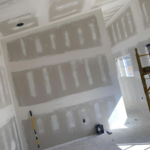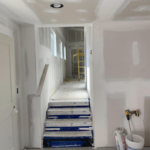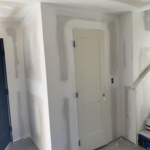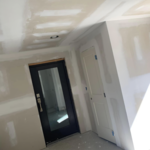
Top-rated drywall pros.

Best drywall pros near Summertown, TN

Enter your zip and get matched with up to 5 pros

Need a pro for your drywall service project in Summertown, TN?

Select your specific project to find the pro for you.

TRUSTED BY SUMMERTOWN, TN HOMEOWNERS

  • Average homeowner rating star icon4.5
    Average homeowner rating
  • Verified reviews icon31
    Verified drywall services reviews

Top-Rated Drywall pros in Summertown - Updated Nov 2026

Avatar for BF Drywall Finishing
BF Drywall Finishing
4.3(
45
)
Drywall - Install

Serving Summertown, TN and surrounding areas

Approved

In business since 2019

Credit card accepted

Customers say: Quick response

"Brett was very professional, respectful, trustful and helpful. They not only did our drywall but also did the painting. After the work they did on this job we are having them do the drywall and paint on our other project also. If you are looking for someone to do drywall or painting I would recommend using them for the job."
Trimless job
Trimless job
Trimless job
Trimless job
Trimless job

+126

Response time2 days
Response rate97%
9 neighbors recently requested a quote
Madison Drywall
4.5(
2
)
Drywall - InstallDrywall - Repair - For Business

Serving Summertown, TN and surrounding areas

Approved

In business since 2020

Free estimates

Offers commercial services

We bring old-world, quality craftsmanship to every unique project we take on. We work efficiently with our resources to ensure your project is completed on time and on budget. We're licensed and insured & look forward to building strong, long-lasting relationships with our clients and guarantee your satisfaction.

Recommended by100%of homeowners
...
Showing 1-10 of 108
Drywall FAQs, answered by experts

There are six levels of drywall finish, from 0 to 5, that refer to the amount of work performed during the finishing process.

Level 0: Drywall is hung with no finishing work.

Level 1: Tape is placed over the seams between drywall sheets.

Level 2: A thin layer of mud is applied over the tape and screw holes. This level is common for utility rooms or walls that will be covered.

Level 3: A full coat of mud covers the screw holes and tape, but the surface is not sanded. This is often used in garages.

Level 4: This is the most common finish for visible interior walls. It involves applying two coats of mud over seams and screw holes, with sanding between each coat, creating a smooth surface ready for flat paint.

Level 5: This is a high-end finish for luxury homes. It includes full taping, mudding, and sanding, plus a final skim coat over the entire surface before painting.

The two most common drywall thicknesses for ceilings are 1/2-inch and 5/8-inch. For most standard residential applications, 1/2-inch drywall is sufficient and widely used. It provides adequate support and is lighter and easier to handle during installation compared to thicker sheets. However, 5/8-inch drywall is often used for specific cases where additional benefits are needed. It is heavier but provides superior sound dampening and fire resistance. You should consider using 5/8-inch drywall for ceilings in commercial buildings, between a garage and a living space, or above a finished basement to meet building codes or for enhanced soundproofing.

The tool you use to sand plaster will depend on the size of the project. If you’re just working on a small section of your wall to get rid of an uneven spot on the surface, hand-sanding might work. However, for larger projects, a drywall sander can make a huge difference when it comes to both time and elbow grease—and an orbital sander can help for detailed areas such as around ceiling fans.

In many cases, installing new drywall will boost your home value. Replacing old, damaged, cracked, or wavy drywall is a great way to improve the look and feel of your home, as new drywall installed by a professional shouldn’t have any imperfections. Additionally, removing old drywall means you’ll have open walls, so you can install new insulation and address exposed issues with plumbing and electrical systems running behind the walls. All of these fixes will also add to your home’s value.

Yes, any parts of drywall that are wet or overly moist will need to be replaced. Drywall is intended to be dry (it’s in the name, after all.), as excess moisture can lead to mold and mildew and eventually corrode your home’s foundational building pieces. Do regular inspections in your home to make sure all your plumbing is intact and in good condition—this will go a long way toward preventing leaks.

The Summertown, TN homeowners’ guide to drywall services

From average costs to expert advice, get all the answers you need to get your job done.