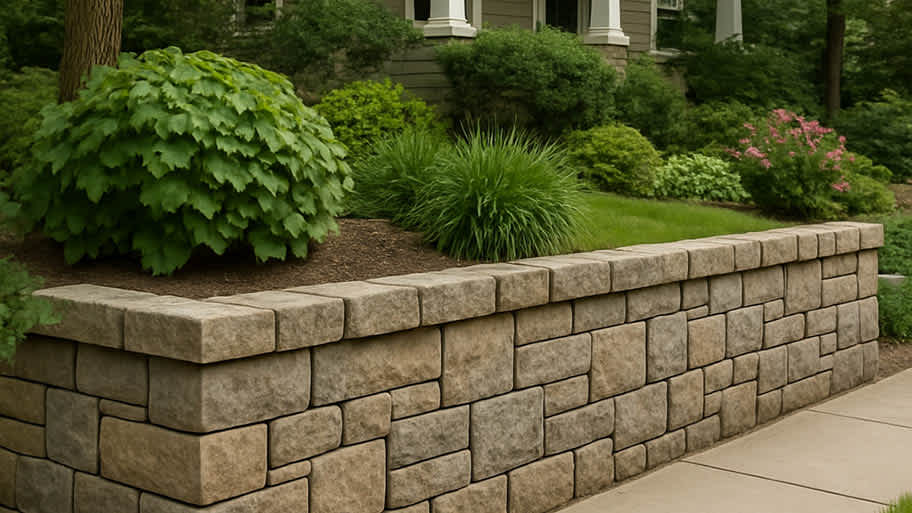









Top-rated retaining wall installation pros.

Get matched with top retaining wall installation pros in Drummonds, TN

Enter your zip and get matched with up to 5 pros

Need a pro for your retaining wall installation project in Drummonds, TN?

Select your specific project to find the pro for you.

TRUSTED BY DRUMMONDS, TN HOMEOWNERS

  • Average homeowner rating star icon4.2
    Average homeowner rating
  • Verified reviews icon56
    Verified retaining wall installation services reviews

Find Retaining wall installation pros in Drummonds

Avatar for Decks Etc
Decks Etc
4.3(
129
)
Retaining Wall - Install

Serving Drummonds, TN and surrounding areas

In business since 1985

Free estimates

Credit card accepted

"Cheryl was great to work with. Very professional and responsive and I would definitely hire again and/or recommend to friends and family. Rated "good" on punctuality because of a little delay in getting all the debris picked up."
Additional Photos
Additional Photos
Additional Photos
Additional Photos
Additional Photos

+6

Recommended by89%of homeowners
Steve Looney Construction
4.7(
7
)
Retaining Wall - Install

Serving Drummonds, TN and surrounding areas

In business since 2002

Free estimates

Small jobs welcome

"Pays very close attention adn is very particular about small details. It must be absolutely perfect for him to feel the job is completed. He is very polite and will tell you exactly what is going on in terms you can understand easily. He is a very hard worker, very dedicated to everything."
Our Work
Our Work
Our work
Our work
Our work

+4

Response time2 days
1 neighbors recently requested a quote

Recommended by100%of homeowners
Showing 1-10 of 27
Retaining Wall Installers questions, answered by experts

The longevity of flood walls depends on how they were constructed, but most wood, gravel, and cement flood walls last 10 years. While aluminum flood walls may cost far more initially, they can be a good investment as they can last decades and will not be damaged by exposure to the elements.

Generally speaking, a retaining wall should be between 3 and 4 feet high, depending on variables such as the wall-building material, the purpose of the retaining wall, and more. If you want your retaining wall to be taller than 4 feet, check with your local building ordinance office for the maximum allotment. You may also need a special permit for retaining walls over 4 feet tall.

Failure to compact the soil during construction is the most common cause of leaning retaining walls. In addition, poor drainage can lead to excessive water pressure behind a retaining wall, pushing against it until it begins to move forward away from the soil it is holding back.

Sand and gravel are two suitable options for filling behind a retaining wall. If you’re building your own retaining wall, you’ll complete this part of the process—known as backfilling—after you finish laying the blocks. Make sure not to skip it—otherwise, you could wind up with drainage issues, which can cause your retaining wall to collapse.

If you don’t backfill a retaining wall—either at all or adequately enough—the wall won’t drain well, and water will be able to pass through it. Poor drainage will lead to a warped wall or a buildup of hydrostatic pressure, which can eventually collapse your retaining wall. If you have particularly sloped land, consult a structural engineer to ensure your hardscaping is adding value to your home.

The Drummonds, TN homeowners’ guide to retaining wall installation services

From average costs to expert advice, get all the answers you need to get your job done.