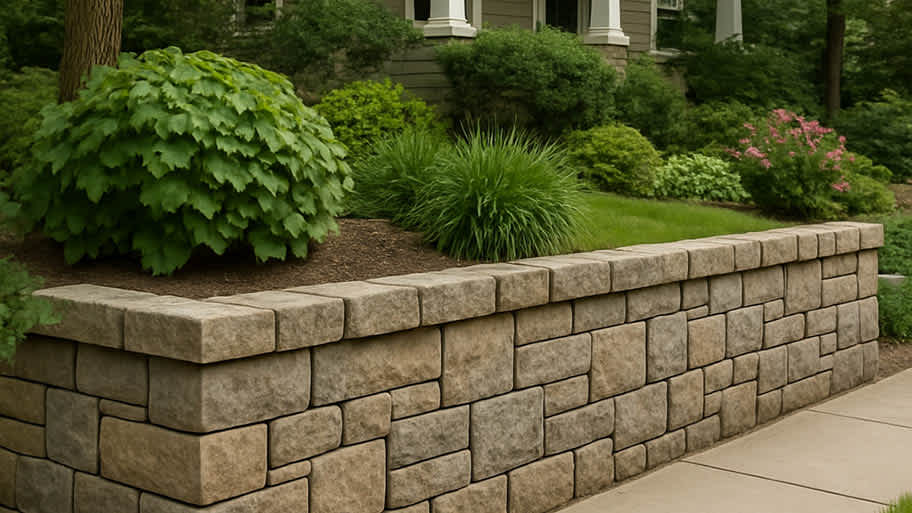








Top-rated retaining wall installation pros.

Get matched with top retaining wall installation pros in Wilson, AR

Enter your zip and get matched with up to 5 pros

Need a pro for your retaining wall installation project in Wilson, AR?

Select your specific project to find the pro for you.

Find Retaining wall installation pros in Wilson

Avatar for J. Diaz Construction
J. Diaz Construction
4.7(
104
)
Retaining Wall - Install

Serving Wilson, AR and surrounding areas

In business since 2008

Free estimates

Warranties offered

"I would recommend them to anyone . They did a great job on my outdoor patio building. They were fast and precise. Always in communication with what was going on. Great group of men."
Response time11 hrs
Recommended by95%of homeowners
Showing 1-10 of 11
Retaining Wall Installers questions, answered by experts

DIY is possible for small projects. Professional installation ensures structural integrity and durability for larger walls.

To maintain the integrity of your landscape, a retaining wall must be installed if the slope of the angle exceeds 35 degrees. The lean of the wall must be 1 inch per 12 inches in height to disperse the weight of the soil uniformly and guarantee the correct drainage of the soil.

Generally, a railroad tie retaining wall consisting of a single line of ties should be between 3 and 4 feet tall—and the height often tops out at around 6 feet. You can go taller, but you may need additional footings and reinforcements, including a second layer of railroad ties to support the added weight of the soil it’s holding back.

While vinyl is the least costly material for building a retaining wall, the most cost-effective method is to use wood or concrete blocks for a DIY retaining wall under 2 feet tall. Wood is inexpensive but lasts 20 years or more with care. Concrete can cost a little more but is stronger and will last longer with less maintenance.

Railroad ties can be good for retaining walls, but it depends on the area. They have a desirable rustic look and are durable. The problem is they’re treated with creosote, a preservative the EPA says poses a risk to humans and wildlife. Over time, the preservative seeps out of the wood and into the ground. Many areas have banned the use of creosote-treated wood on residential properties. If your area does allow it, never use railroad ties near an edible garden or drinking water source. Instead, use wood that’s treated with an EPA-approved preservative or a wood-alternative composite material.

The Wilson, AR homeowners’ guide to retaining wall installation services

From average costs to expert advice, get all the answers you need to get your job done.