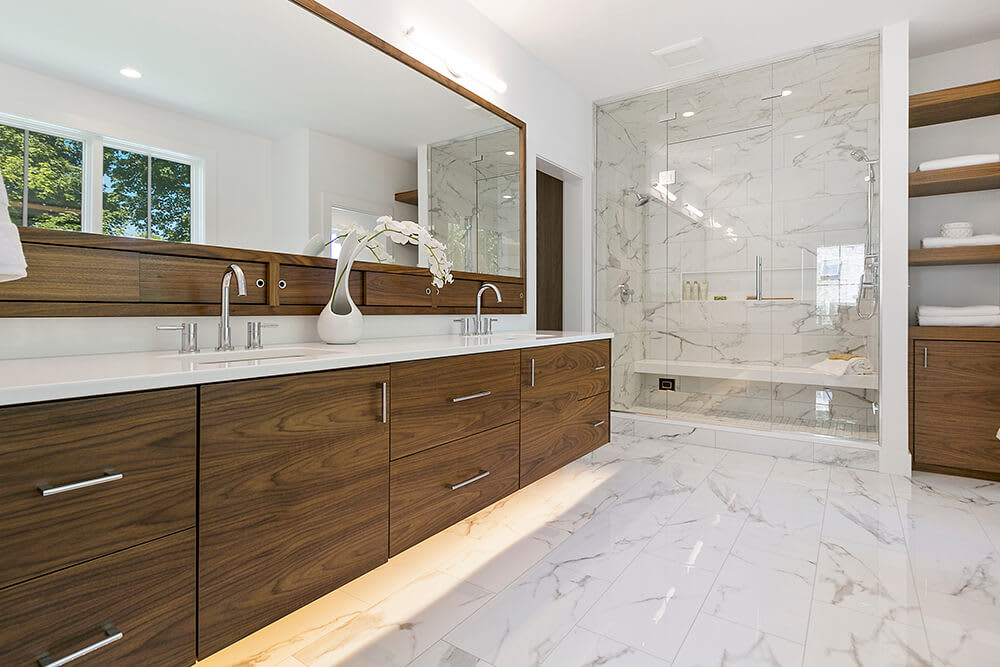
"He shows up when he says he will. The work he did was excellent. The tile shower floor he repaired for us looks even better than the original did when it was brand new."
TileBuys is a well established business in Sioux Falls and surrounding area, offering the finest in craftsmanship and quality. When it comes to professionalism and customer service, we are unmatched! For the best of the best call TileBuys for all your flooring needs!
We come in on time and finish the job. We are certified Armstrong, Congolum, Mannington, Shaw Commercial, Miliken Commercial. We provide Custom Pattern Flooring as well. I am a member of the National Tile Council and National Hardwood Association. Please come visit our showroom in Rapid City.\nInquire about mileage charges for Distances traveled more than 25 miles from Rapid City.
We are a locally owned and operated company that opened our doors in 1992. With over 34 years of experience, we take pride in our projects and value honesty and integrity and treat your home as if it were our own. We specialize in flooring both commercial and residential settings. Each project is customizable to each individual client. You will find us to be competitively priced, paying close attention to the details of each and every project that we are involved with. We do have a $25 trip charge for client visits. We look forward to building lasting relationships and guarantee your satisfaction!\n
David Ferguson's construction business is dedicated to quality and outstanding customer service. Our job is to provide you with quality service at a great price. Please don't wait call us today.
Different types of tile cutters may work best depending on the type of tile you are cutting and the size of your project. There are two main types of tile cutters: manual and electric. Manual tile cutters are quick and easy to use for small projects and softer tile materials, but they can only make straight cuts. Electric tile cutters make light work of big projects and can cut through harder materials.
Tile will almost always last longer than laminate flooring, regardless of the type of tile installed. Porcelain tile can last for 75 years or more with proper care, and even less durable ceramic tile will last for 60 years or more, provided they’re installed by a tile professional. On the other hand, laminate flooring has an average lifespan of around 20 years, and you might only get 10 to 15 years out of low-cost laminate flooring. As such, tile will add far more value to your home than laminate.
Tile removal costs about $2 to $7 per square foot unless you do it yourself. When you hire a pro, tile installation costs $5 to $45 per square foot. Costs vary widely, but they depend on the tile material (custom-made stone tiles cost significantly more than plain ceramic tile), location, and tile size.
Thinset mortar is the best adhesive for ceramic tiles on concrete. It is easy to work with and has a slower dry time than mastic or epoxy mortars. This longer dry time gives the installer more time to adjust tiles, which is especially useful for DIYers who may not have tile installation experience. It can also be built up to help level any depressions or gaps in the concrete subfloor.
On average, tiling a bathroom involves about 12 hours of labor, usually spread over two to three days to accommodate prep work and curing times. A professional tiler can often complete the installation in 6 to 8 hours, whereas a DIYer might take 10 to 16 hours. The total project time is influenced by factors like the bathroom layout, tile type, and necessary prep work, such as removing old tile. The process includes specific timelines for different areas; for example, tiling a floor takes about six hours, while a shower area can take six to ten hours. It is essential to allow for adequate curing time—typically 24 hours each—for the mortar, grout, and caulk, which is why the project extends over several days.
The White River, SD homeowners’ guide to ceramic tile services
From average costs to expert advice, get all the answers you need to get your job done.
Whether it’s on your floor, walls, or shower, ceramic tile can add style to your space. So, how much does ceramic tile installation cost? Let’s break it down.
Tile varies dramatically in price, but there’s something for every budget. This guide will help you plan for tile installation costs, no matter the project.
Ceramic tile as a flooring option boasts a long list of advantages over other surfaces. However, there are also some key drawbacks worth considering. We’ve rounded up both the pros and the cons of ceramic tile into a helpful list.
You don’t always need a pro for ceramic tile installation. Follow these seven simple steps to transform the floor of any room in your home into the perfect space.
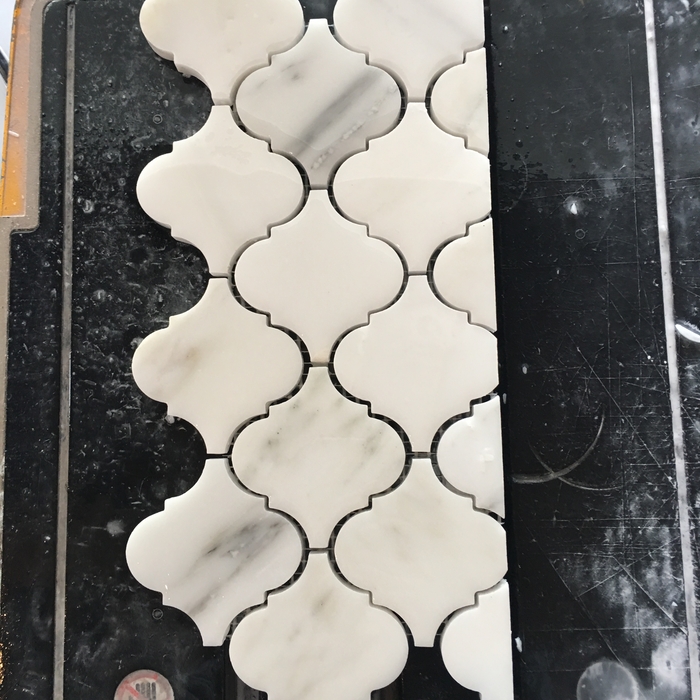
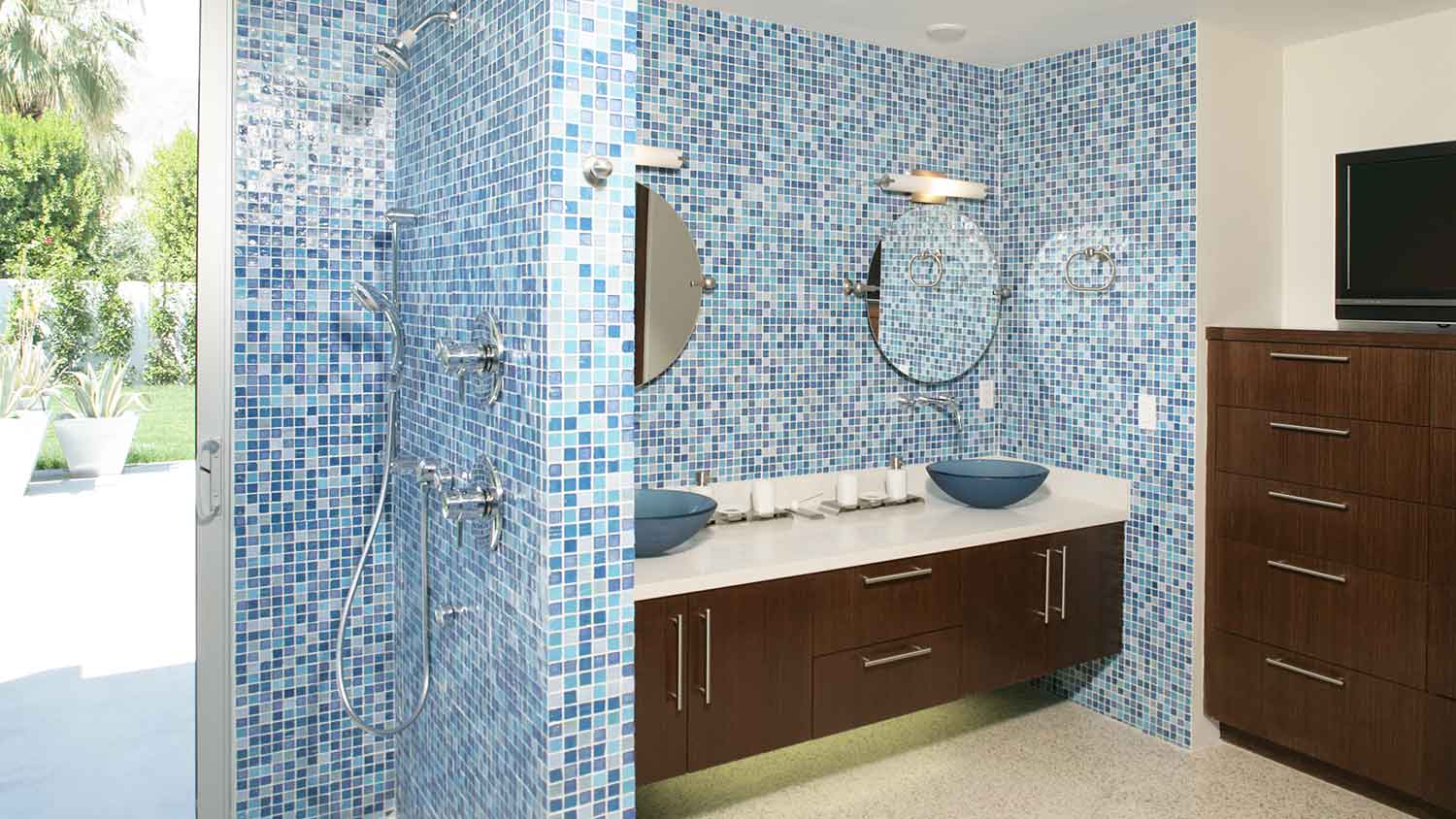
You can use mosaic tiles throughout your home, whether you’re interested in mosaic flooring or a mosaic tile shower. Keep reading to learn what is mosaic tile and more.
Looking for new bathroom tile to freshen up your space? Use this guide to find the best tile for your bathroom floor for appearance, longevity, and durability.