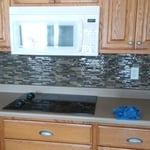
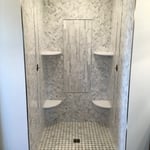
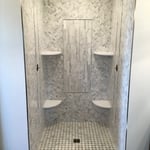
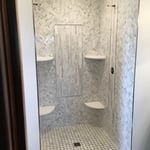
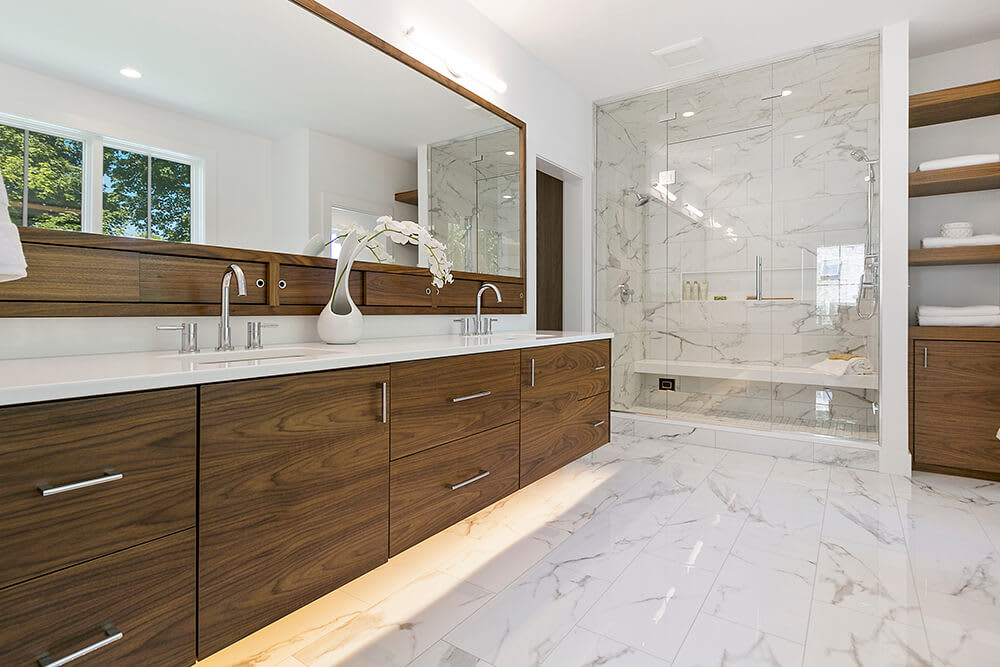
"He shows up when he says he will. The work he did was excellent. The tile shower floor he repaired for us looks even better than the original did when it was brand new."
TileBuys is a well established business in Sioux Falls and surrounding area, offering the finest in craftsmanship and quality. When it comes to professionalism and customer service, we are unmatched! For the best of the best call TileBuys for all your flooring needs!
We come in on time and finish the job. We are certified Armstrong, Congolum, Mannington, Shaw Commercial, Miliken Commercial. We provide Custom Pattern Flooring as well. I am a member of the National Tile Council and National Hardwood Association. Please come visit our showroom in Rapid City.\nInquire about mileage charges for Distances traveled more than 25 miles from Rapid City.
We are a locally owned and operated company that opened our doors in 1992. With over 34 years of experience, we take pride in our projects and value honesty and integrity and treat your home as if it were our own. We specialize in flooring both commercial and residential settings. Each project is customizable to each individual client. You will find us to be competitively priced, paying close attention to the details of each and every project that we are involved with. We do have a $25 trip charge for client visits. We look forward to building lasting relationships and guarantee your satisfaction!\n
David Ferguson's construction business is dedicated to quality and outstanding customer service. Our job is to provide you with quality service at a great price. Please don't wait call us today.
The average cost for tile installation is about $2,000, with a typical price range between $500 and $6,500. On a per-square-foot basis, you can expect to pay between $5 and $45 for installation.
Several factors influence the total cost, including:
Installation Site: Costs vary for different areas. Common project costs are: kitchen floor ($870–$6,100), countertop or backsplash ($500–$3,000), bathroom floor ($300–$2,400), or shower wall ($225–$2,000).
Tile Type and Quality: The material significantly impacts price. For example, standard ceramic or travertine tile can cost about $1 per square foot, while luxury options like marble can be as much as $350 per square foot for the material alone.
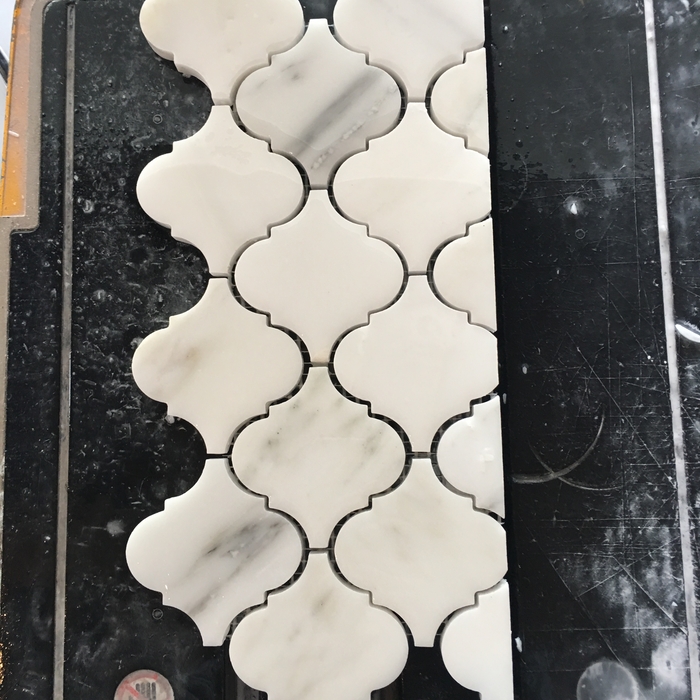
Project Size and Complexity: The total square footage, the complexity of the pattern, and the shape of the tile (e.g., square, rectangle, hexagon, mosaic) will affect labor and material costs.
Site Preparation: The amount of prep work needed, such as removing old tile or installing a new subfloor or backer board, can add to the final price.
Tile Characteristics: The tile's durability rating and porosity can also influence the price.
Location: Labor rates vary by geographic location.
Professionals can enhance bathroom aesthetics by recommending and implementing design elements such as modern fixtures, high-quality tiles, and efficient layouts. They ensure cohesive style, compliment functionality, and an enhanced visual appeal in the space.
On average, tiling a bathroom involves about 12 hours of labor, usually spread over two to three days to accommodate prep work and curing times. A professional tiler can often complete the installation in 6 to 8 hours, whereas a DIYer might take 10 to 16 hours. The total project time is influenced by factors like the bathroom layout, tile type, and necessary prep work, such as removing old tile. The process includes specific timelines for different areas; for example, tiling a floor takes about six hours, while a shower area can take six to ten hours. It is essential to allow for adequate curing time—typically 24 hours each—for the mortar, grout, and caulk, which is why the project extends over several days.
Silicone caulk shouldn’t be used in place of grout because each material serves its own purpose. Thanks to its flexibility, silicone caulk is good for sealing around the perimeter of tiled floors, where movement and expansion might occur. However, grout is more durable, making it a better option for the joints in between tiles, which need to withstand constant weight and foot traffic.
The reasons not to install flooring underneath a bathtub outweigh the benefits. A properly installed bathtub will keep water from reaching the unprotected subfloor underneath. Installing a tub on top of finished flooring can lead to damage and scratches to the new floor. Also, a small leak from a tub drain may be more difficult to notice if finished flooring impedes water drips.
The Mission, SD homeowners’ guide to ceramic tile services
From average costs to expert advice, get all the answers you need to get your job done.
Whether it’s on your floor, walls, or shower, ceramic tile can add style to your space. So, how much does ceramic tile installation cost? Let’s break it down.
Tile varies dramatically in price, but there’s something for every budget. This guide will help you plan for tile installation costs, no matter the project.
Ceramic tile as a flooring option boasts a long list of advantages over other surfaces. However, there are also some key drawbacks worth considering. We’ve rounded up both the pros and the cons of ceramic tile into a helpful list.
You don’t always need a pro for ceramic tile installation. Follow these seven simple steps to transform the floor of any room in your home into the perfect space.
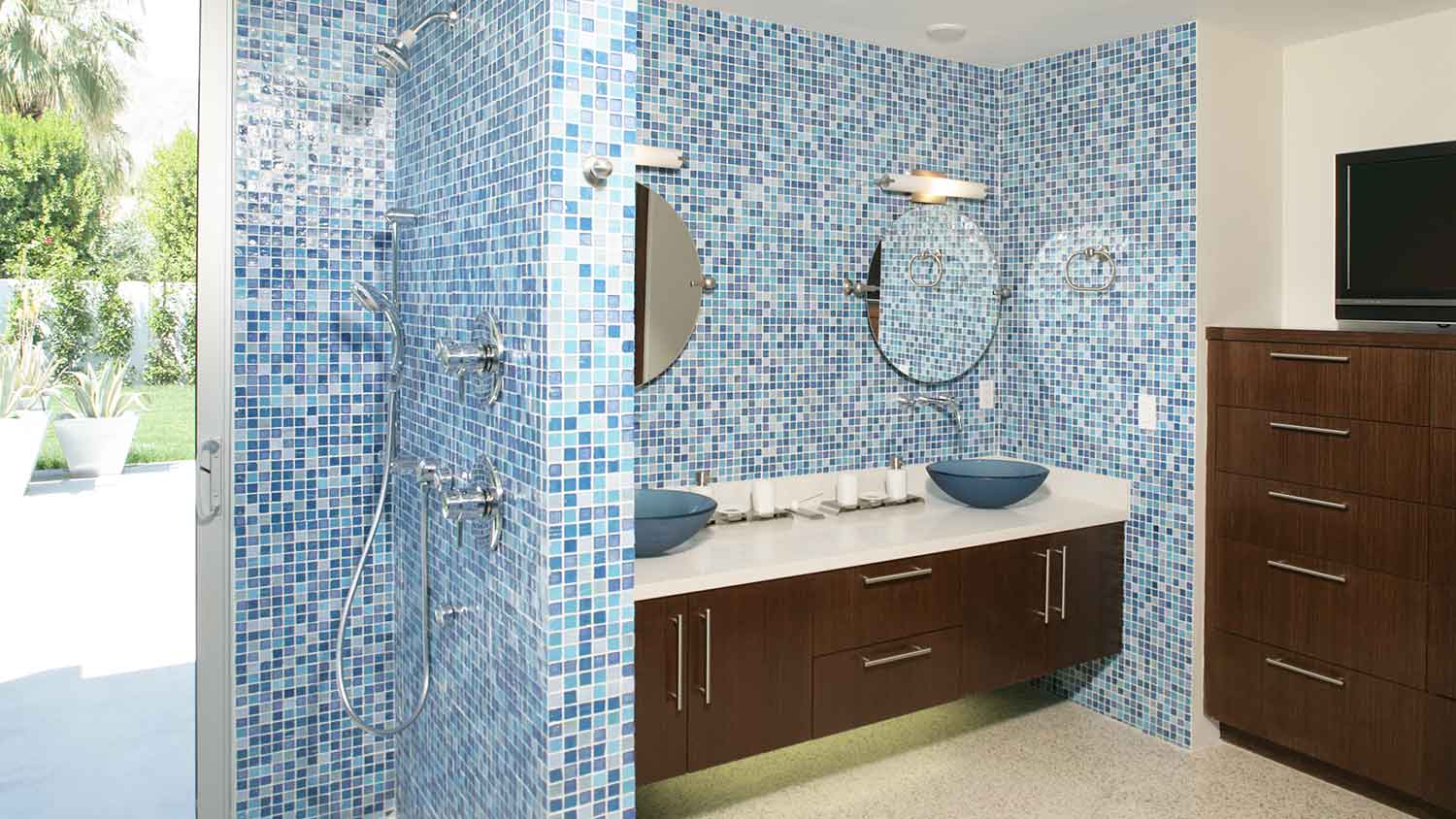
You can use mosaic tiles throughout your home, whether you’re interested in mosaic flooring or a mosaic tile shower. Keep reading to learn what is mosaic tile and more.
Looking for new bathroom tile to freshen up your space? Use this guide to find the best tile for your bathroom floor for appearance, longevity, and durability.