
Top-rated ceramic tile pros.

Best ceramic tile pros near Saint Francis, SD

Enter your zip and get matched with up to 5 pros

Need a pro for your ceramic tile service project in Saint Francis, SD?

Select your specific project to find the pro for you.

Top-Rated Ceramic tile pros in Saint Francis - Updated Nov 2026

J & L Flooring
New to Angi
Tile: Ceramic and Porcelain - Install

Serving Saint Francis, SD and surrounding areas

In business since 1998

Free estimates

Credit card accepted

We come in on time and finish the job. We are certified Armstrong, Congolum, Mannington, Shaw Commercial, Miliken Commercial. We provide Custom Pattern Flooring as well. I am a member of the National Tile Council and National Hardwood Association. Please come visit our showroom in Rapid City. \nInquire about mileage charges for Distances traveled more than 25 miles from Rapid City.

Flooring Solutions
New to Angi
Tile: Ceramic and Porcelain - Install - For Business

Serving Saint Francis, SD and surrounding areas

In business since 1986

Free estimates

Credit card accepted

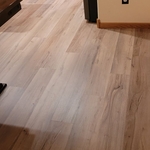
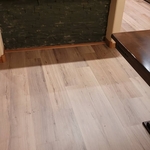
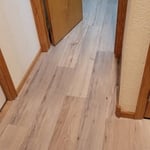
We are a locally owned and operated company that opened our doors in 1992. With over 34 years of experience, we take pride in our projects and value honesty and integrity and treat your home as if it were our own. We specialize in flooring both commercial and residential settings. Each project is customizable to each individual client. You will find us to be competitively priced, paying close attention to the details of each and every project that we are involved with. We do have a $25 trip charge for client visits. We look forward to building lasting relationships and guarantee your satisfaction! \n

Our work
Our work
Our work
Our work
Our work

+8

Ceramic Tile FAQs, answered by experts

The choice of whether to tile or use an acrylic tub surround is up to you and can be based on a number of factors, including aesthetics, cost, waterproofing, ease of cleaning, and maintenance.

Tile is a beautiful, classic bathtub surround choice; while tile installation cost is higher, it’s customizable and offers visual appeal. Tile is also harder to clean and presents waterproofing problems because of grout lines. Acrylic surrounds can be more affordable, don’t require much maintenance, and are easier to clean. However, they aren’t usually as visually appealing and may need to be replaced if they become damaged.

Glazed ceramic tiles don’t need to be sealed because the glazing already offers some protection against moisture. Unglazed ceramic tiles need to be sealed to keep the porous tile safe from moisture and staining. However, both types of tile can benefit from sealing. Sealant can make the tiles easier to keep clean and offer more resistance to water, spills, and stains.

Tile countertops can be an excellent and budget-friendly option for a kitchen, provided they are installed correctly. It's important to choose tiles, such as ceramic, that are heat-, water-, and scratch-resistant. When the grout is properly sealed, it will resist stains, making the surface easy to clean. Tile is also considered a sustainable material. For a cohesive kitchen design and added protection, you can pair a tile countertop with a matching tile backsplash.

Porcelain is a relatively affordable, mid-range countertop material. It typically costs between $50 to $70 per square foot.

Compared to quartz, porcelain is slightly more affordable, as quartz generally ranges from $50 to $200 per square foot. However, lower-quality, builder's grade quartz can be similar in price to porcelain.

Compared to granite, the price can be similar, depending on the quality of the stone. While granite slabs can range from $50 to $200 per square foot, you can find lower-end granite in the same price range as porcelain. High-end granites will cost significantly more.

Porcelain is generally more expensive than laminate, acrylic, and ceramic, but less expensive than high-end slate, concrete, and marble. A key benefit is that porcelain does not require sealing, which reduces long-term maintenance costs.

The rule tells you how to cut tile to install it in a corner. The 3/4/5 rule recommends that you should have 3 feet across on one straight line, four feet on the other perpendicular line, and 5 feet of length from the end of one of the lines to the other. You’re making a right triangle with the tile, and the hypotenuse (the line across from where the 3-foot lie and 4-foot line meet) should be 5 feet long.

The Saint Francis, SD homeowners’ guide to ceramic tile services

From average costs to expert advice, get all the answers you need to get your job done.