Even if you have extreme ophidiophobia (fear of snakes), don’t try to shoot or kill them with a shovel. Besides being pretty cruel, killing snakes in most states is illegal unless your life is at risk and many species are protected.
Plus, you're putting yourself at greater risk using these techniques if it goes wrong and the now-angry snake is venomous.
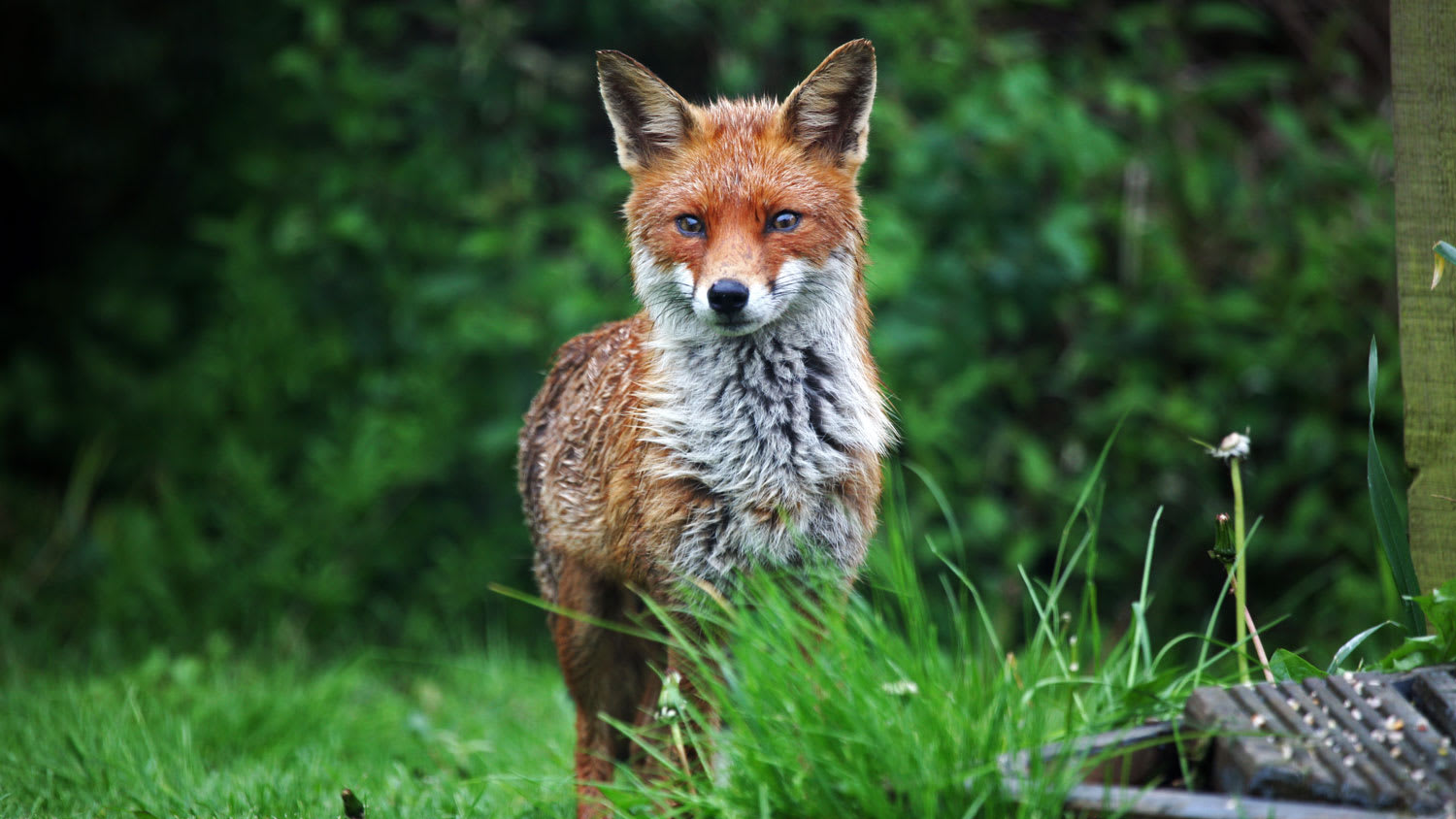
Vinegar can keep some animals at bay, like deer, rabbits, foxes, and raccoons. Keep in mind that your household pets, like cats and dogs, also don’t like the smell of vinegar. You can soak rags in white vinegar and put them up around your garden beds to keep the pesky critters from eating your plants.
A raccoon may be hanging around your house for convenient access to food, water, or shelter. They may drink water out of puddles, pools, ponds, fountains, or your pet’s water bowls. Raccoons are also known to eat just about anything, including food from gardens and waste from unsecured trash cans.
Many people have reported success in using dryer sheets to deter mice. This result is likely due to the strong scent that the rodents don’t find favorable. However, using dryer sheets alone may not be a foolproof solution, and it's often better to combine various preventive measures, such as traps, repellent sprays, and proper storage practices, to protect your car from rodent infestations more effectively.
Although raccoons aren’t particularly picky regarding food, certain sounds, metals, and smells bother them. You can place these items around your home to keep raccoons away:
Place wire mesh screens around and underneath decks and porches to prevent raccoons from nesting.
Put metal sheeting around the edges of your roof or at the base of trees to deter raccoons from coming close.
Place a loud battery-operated radio near the raccoon’s den to keep them from nesting.
Keep a bowl of cider vinegar on your deck or porch.
Remove old raccoon scents by thoroughly cleaning and disinfecting underneath porches and decks.
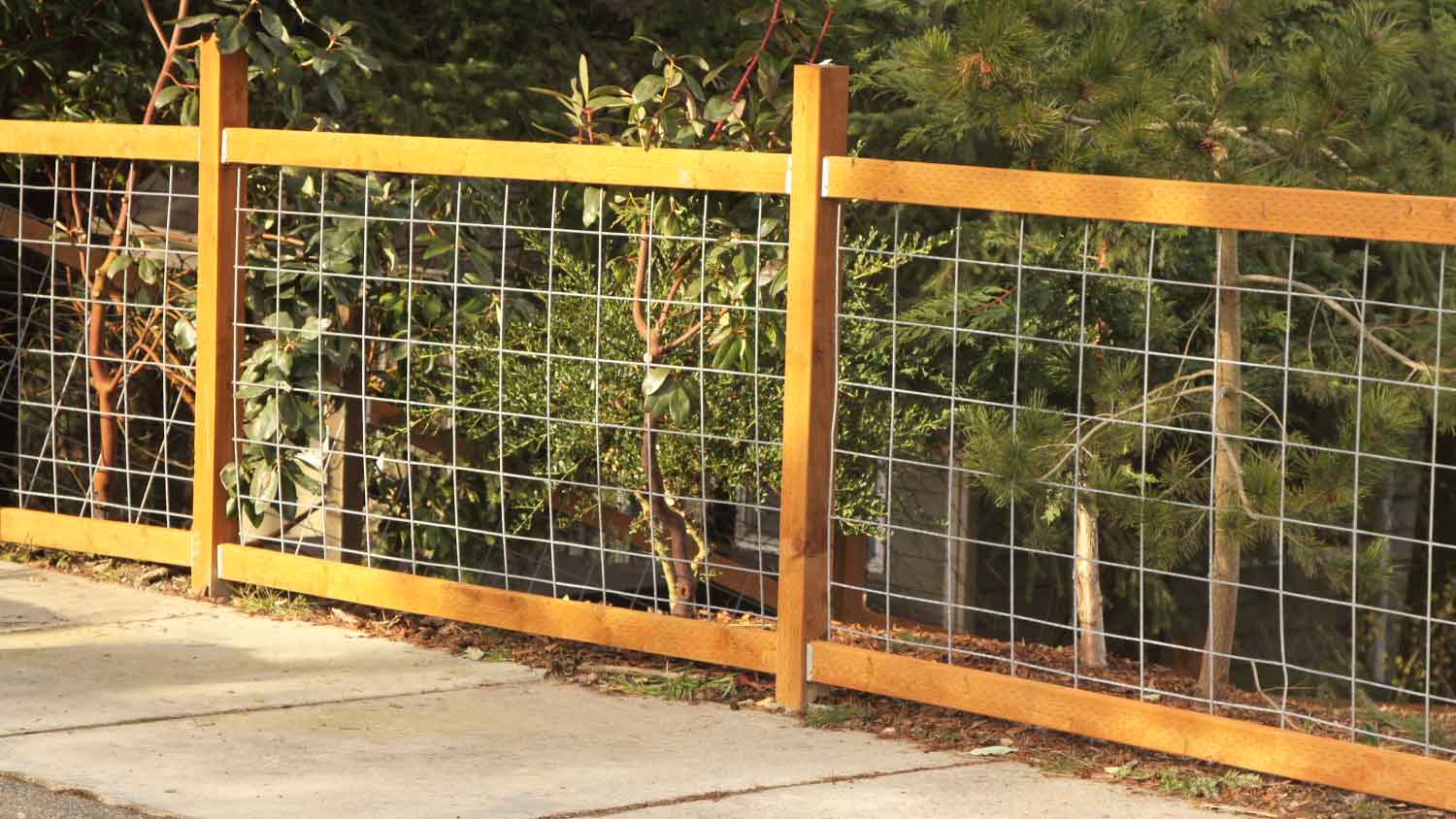
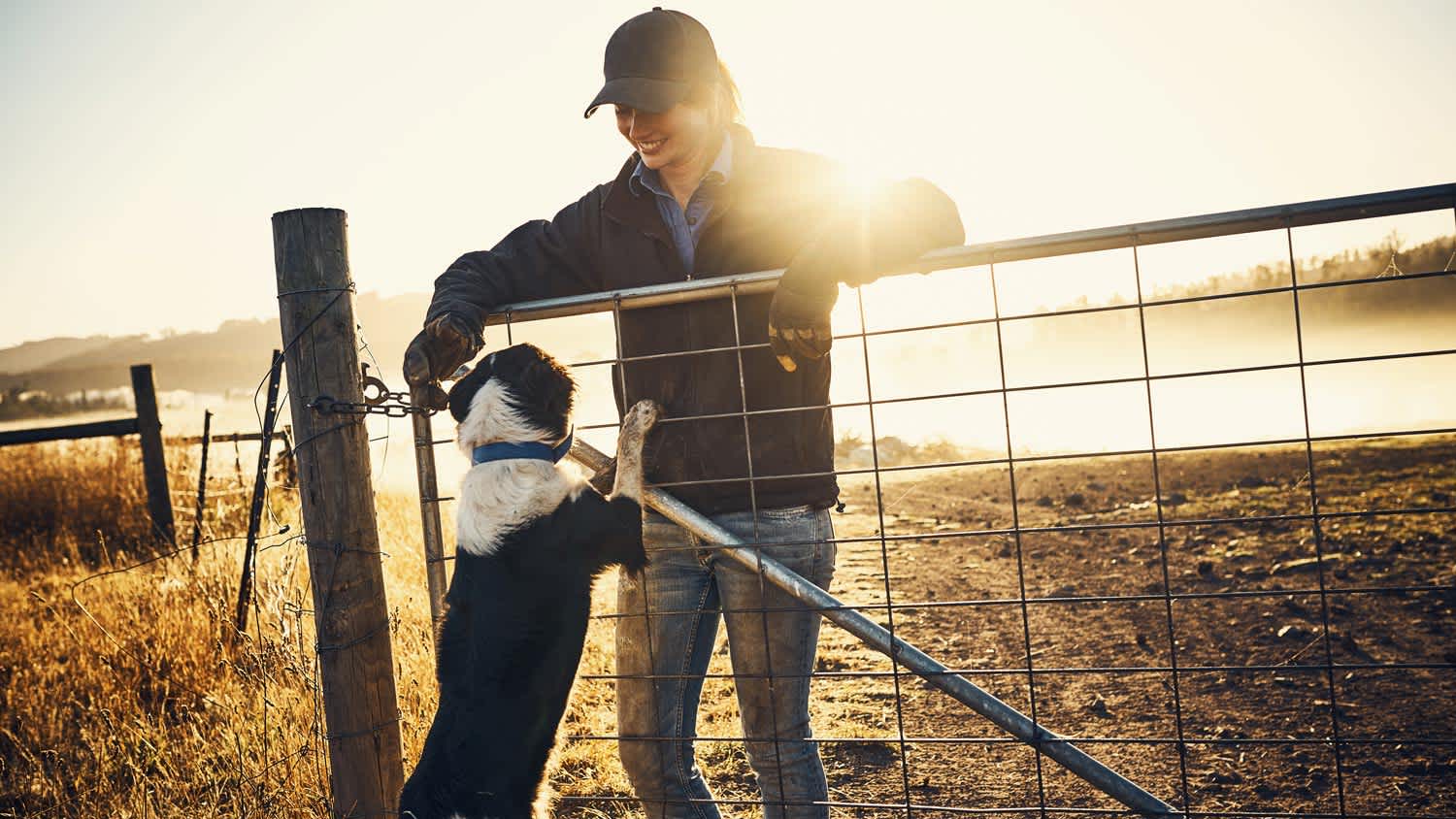
The Wall, SD homeowners’ guide to animal fencing services
From average costs to expert advice, get all the answers you need to get your job done.
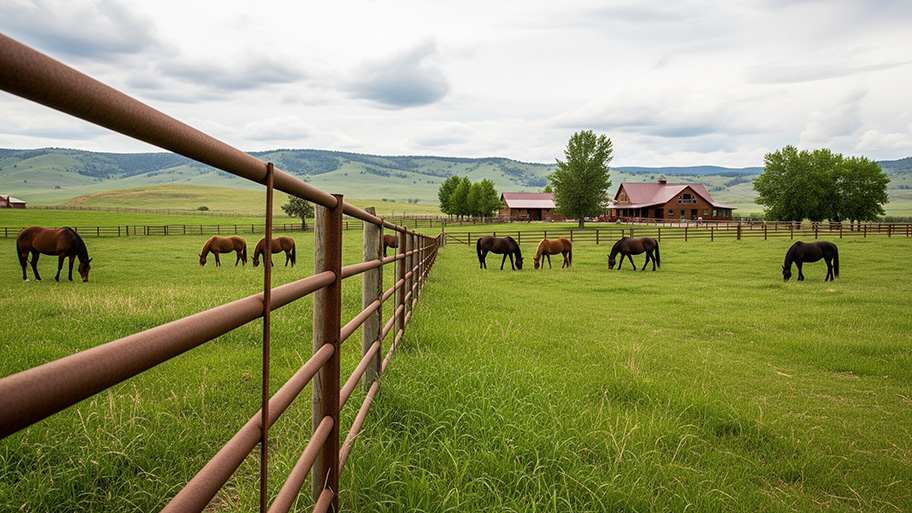
Pipe fencing is an extremely strong, durable option for containing horses and other livestock. This guide breaks down the factors that affect pipe fence cost.