Although raccoons aren’t particularly picky regarding food, certain sounds, metals, and smells bother them. You can place these items around your home to keep raccoons away:
Place wire mesh screens around and underneath decks and porches to prevent raccoons from nesting.
Put metal sheeting around the edges of your roof or at the base of trees to deter raccoons from coming close.
Place a loud battery-operated radio near the raccoon’s den to keep them from nesting.
Keep a bowl of cider vinegar on your deck or porch.
Remove old raccoon scents by thoroughly cleaning and disinfecting underneath porches and decks.
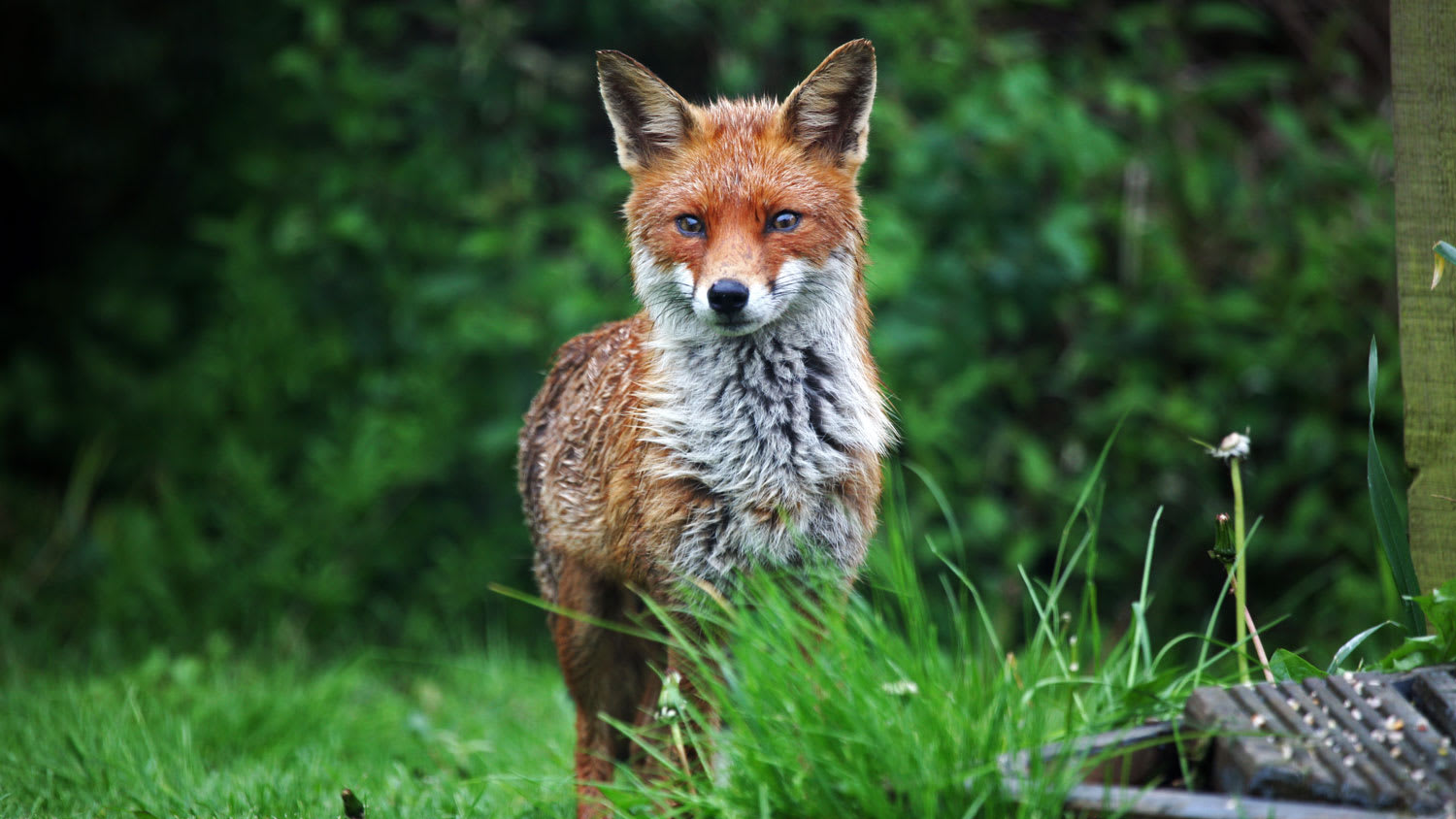
Foxes are primarily nocturnal, meaning you’re less likely to see one strutting onto your lawn in the middle of the day. However, daytime activity is more common if you have a female with her cubs on your property during the spring and summer. And you can see adaptable urban foxes at any time when regular food is available.
Once the animals and their young are out of the house, remove the nest and locate any entry points. Some may be difficult to find because some animals can fit through very small holes. Once you’ve located as many entry points as possible, use materials such as metal or masonry to block off the entry. Ideally, you should choose materials that most animals cannot chew through. Create a one-way door or flap to allow animals to leave but not return. Additional methods include using repellants designed to make an area unappealing to the types of animals that find your home so inviting.
It’s debatable, but most will say either termites or bed bugs are the hardest to remove. When dealing with termites, you must find the central nest (as opposed to satellite nests) and exterminate the queen and all potential queens, which often takes the work of a specialist. Bed bugs, meanwhile, are incredibly hardy, good at hiding, and resistant to pesticides, so it takes very careful, very thorough work to get rid of them permanently.
The same heat treatment that’s effective on flea eggs will also destroy the adults. There are four stages of the flea life cycle—egg, larva, pupa, and adult—and you’ll have to keep all of them in mind when taking on a pest infestation in your home.
The Pine Ridge, SD homeowners’ guide to animal fencing services
From average costs to expert advice, get all the answers you need to get your job done.
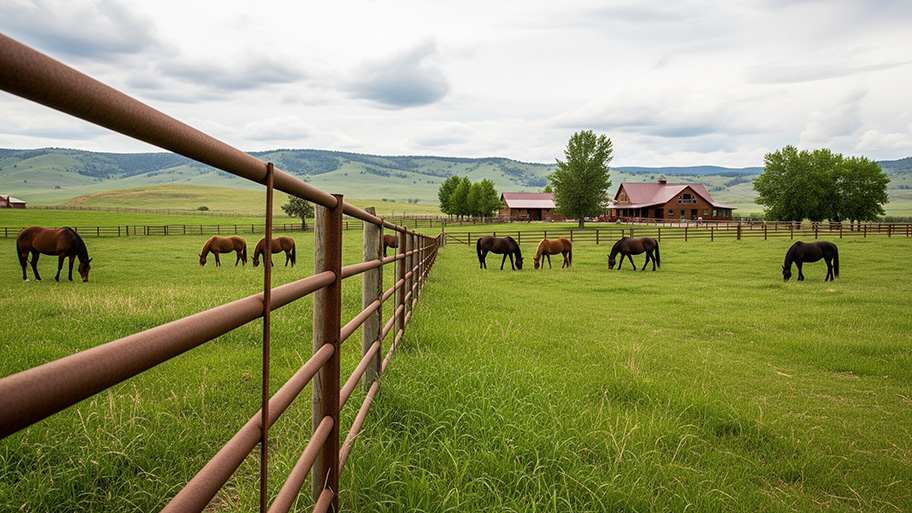
Pipe fencing is an extremely strong, durable option for containing horses and other livestock. This guide breaks down the factors that affect pipe fence cost.