Skunks like to forage for grubs in the soil, like worms and insects, but they are also tempted by trash and pet food bowls, so keeping these items out of sight may help keep skunks away. Skunks also like to set up a den in dark places, such as a crawl space or outbuilding.
To dispose of a dead iguana in Florida, first learn your local regulations. Litter laws may subject disposal in roads or bodies of water to a fine or jail time. Some towns restrict animal carcasses in trash bins. Instead, consider burial or cremation to get rid of an iguana. You may be able to dispose of iguana carcasses with a local animal control company, vet, or pet cemetery for a fee.
As a general rule, if you hear an animal in your attic, don’t assume it will stay there. Animals are drawn to warmth and food sources, which could lead them to other parts of your house. In particular, it’s likely that small pests such as rats and mice that only need tiny gaps to squeeze through will end up in your walls and ductwork. Larger animals like raccoons may be limited to an enclosed attic.
Pest control and wildlife removal are different services. Pest control specialists typically handle insects and bugs, often using chemicals and poisonous sprays for extermination. Wildlife removal professionals, on the other hand, focus on larger animals. They prioritize humane methods like trapping and relocation, using poison only as a last resort. For insect problems, contact a pest control professional; for issues with other animals, an animal or wildlife removal specialist is the correct choice.
Gophers do not hibernate, meaning you could, at least theoretically, have a gopher problem in your yard any time of year. During the colder parts of the year when soil isn't as easy to work with, gophers may not dig as many holes or be as active and instead will burrow deeper into the earth to go below the frost line to stay warm.
You can expect to see more gopher activity during the spring and fall when warmer temperatures make digging easy, and there is an abundance of new (or recently harvested) plant life available for them to graze on. They come out during the day and sleep at night.
The Philip, SD homeowners’ guide to animal fencing services
From average costs to expert advice, get all the answers you need to get your job done.
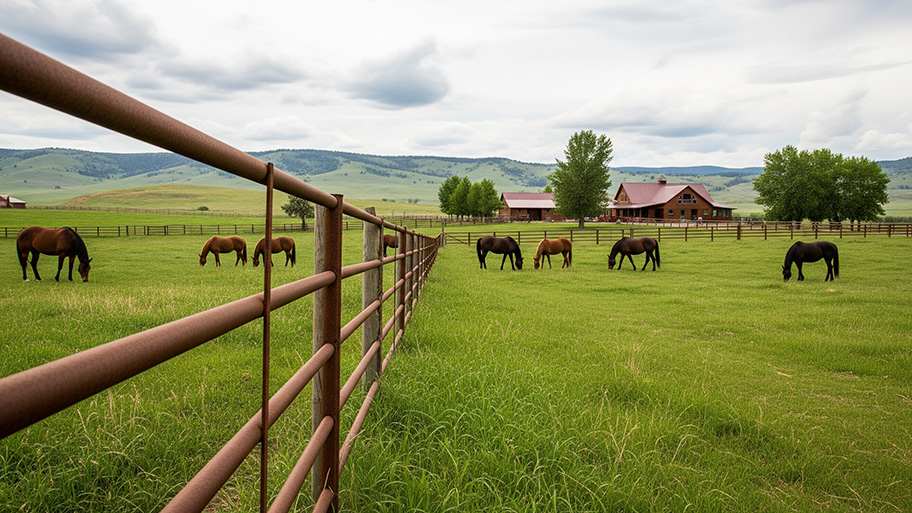
Pipe fencing is an extremely strong, durable option for containing horses and other livestock. This guide breaks down the factors that affect pipe fence cost.