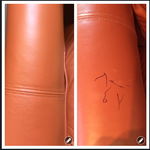
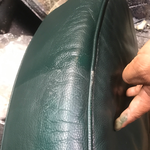
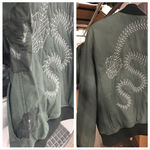
"When no one locally even responded to my inquiries for a quote, Michelle got back to me the same day with a quote and description of how the repair would be done. It's a slight downside to have to ship one glove coast to coast for a minor repair on one finger. But the cost of shipping and the repair is much less than purchasing another $100 pair of gloves! The repair took a little longer than anticipated, but shipping time had to be factored in as well. Michelle was very prompt with communications during the process. Cost of service below did not include shipping which was about $16 round trip. The glove returned good as new...well as good as it's pair. The glove is two years old. But the seam was totally resewn and reinforced. Michelle stated she did not want to the issue to happen again. I hope it won't. The problem started with my fingers rubbing. Very happy with the service from Premier. I wish they had a shop in Maryland!"
I pride myself on my professionalism, as well as my ability to complete every job to the homeowner's total satisfaction. I never leave a job unfinished, or a homeowner not 100% satisfied with my level of service - Call today!
If you don't regularly change your HVAC air filter, it will become clogged with dust, dirt, and other contaminants. This blockage forces the system to work harder to circulate air, leading to several negative consequences. You may experience higher energy bills, poor temperature regulation, reduced air quality, and slower system performance. Over time, this added strain can cause parts to break more frequently, lead to system failure, and ultimately shorten the lifespan of your entire HVAC unit. In some cases, it can also contribute to health problems. It's recommended to change the filter at least every three months.
According to the Centers for Disease Control and Prevention (CDC), no single water filter or treatment system can remove 100% of contaminants. To find the best filter for your needs, first determine which impurities are most important for you to remove. For example, reverse osmosis (RO) filters are highly effective at removing a wide range of contaminants, including sediment, heavy metals, bacteria, viruses, dissolved salts, and chemicals. However, the RO process can also filter out beneficial minerals like calcium and magnesium. If eliminating bacteria is your main priority, a UV filter could be a suitable choice. Additionally, distilled water is considered the most pure form of filtered water available.
While a whole-house air purification system is more expensive than a portable or room-sized air purifier, they have very different expectations to live up to. Room-level purifiers are available for well under $100, while whole-house units can cost up to several thousand. For individuals in the home with conditions that warrant the use of an air purifier, balancing needs against budget is necessary to determine if the extra cost of a whole-home system is worth it.
A HEPA filter is a powerful tool for clean air, but the structure doesn’t allow much air to pass through it. That means your HVAC motor must work harder to keep your air pressure consistent, which can result in higher energy bills. That, coupled with the higher cost of HEPA filters, may not make them the best choice for your HVAC system.
While you can run your HVAC system without an air filter, it isn’t something professionals recommend—especially not for an extended period. It can reduce indoor air quality, clog air ducts, and strain your system. This can lead to performance issues, higher energy bills, costly repairs, and a reduction in the system's lifespan.
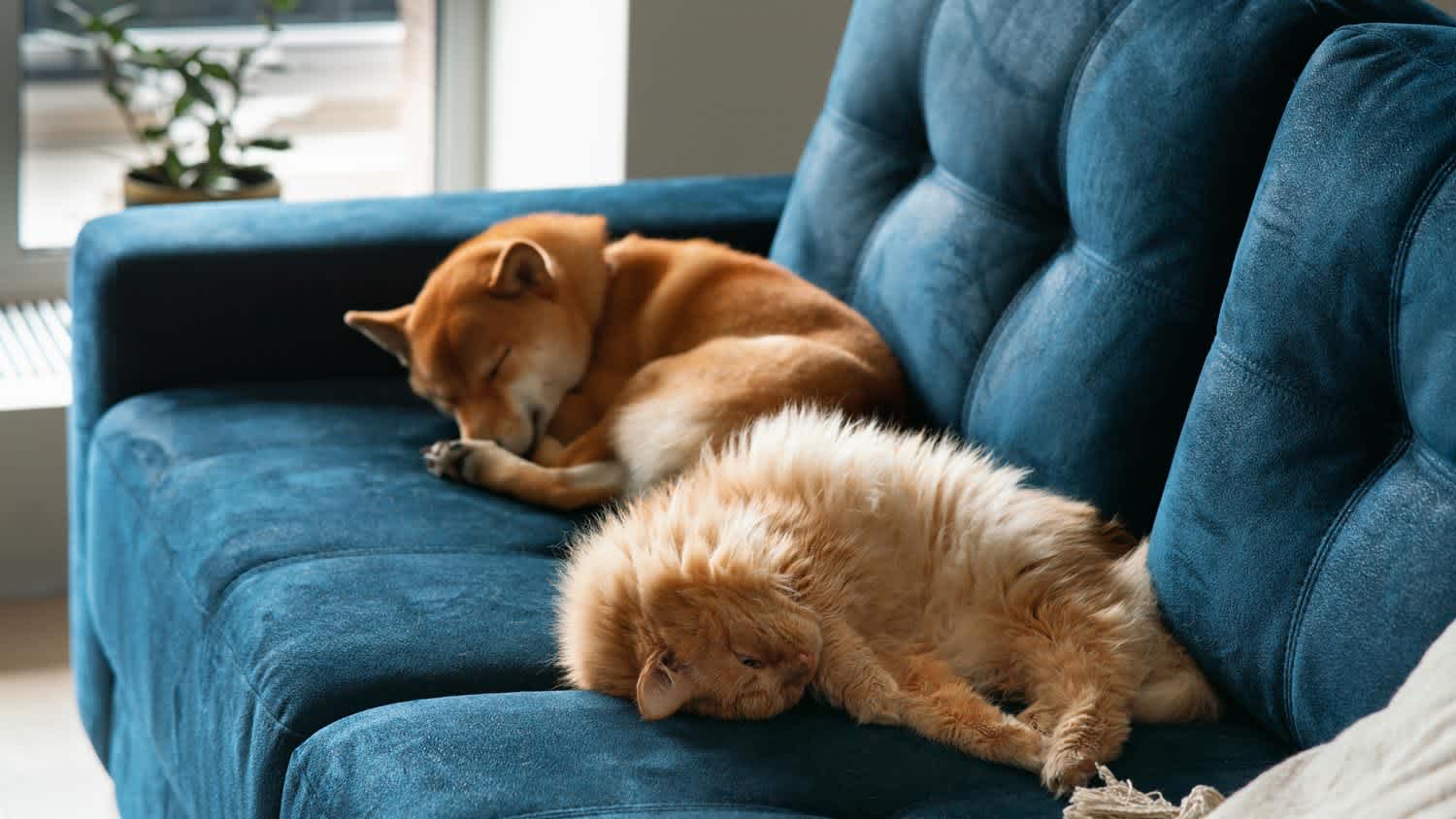
The Rosebud, SD homeowners’ guide to couch cleaning services
From average costs to expert advice, get all the answers you need to get your job done.