

Not sure if you can use carpet cleaner on your couch? Learn how to safely clean your couch using carpet cleaner with this informative guide.
Save money by cleaning your fabric couch yourself with household items

Couches take a ton of wear and tear, especially if you have kids or pets, and yet many homeowners neglect cleaning them for fear of ruining the fabric or making stains worse. In actuality, it’s very easy to spot-clean a couch to remove a stain or get dirt off of the surface. In this DIY guide on how to clean a couch, we’ll explain the process for removing stains and dirt from your couch to get it looking good as new. Best of all, you’ll need minimal supplies, and the cleaning solution is homemade and safe around children and pets.
Before you get started, it’s important to understand that you can’t expose all fabrics and cushioning to moisture or liquid cleaning products. We recommend you check the tags on your couch to see what kind of fabric you’re working with and which cleaning methods are recommended. You should see one of these fabric cleaning codes on your tags:
W: Safe to use water or wet cleaners on your couch
S, PD, or DC: Only use dry cleaning solutions, like baking soda or commercial dry cleaning product
SW or WS: Use either wet or dry cleaning solutions on the fabric
F: Can stand up to some moisture, but better to use a foam cleaner, which contains less liquid
E or N: Couch is leather or synthetic leather and requires a product made for cleaning a leather couch
X or X/S: Neither wet nor dry cleaning solutions are safe, so vacuuming is your best option
Since the “W” cleaning code is the most common, our method below will be specific to those couches. If you have another code on your couch, consider calling a furniture cleaning company near you to get your couch cleaned safely.
Some over-the-counter or DIY stain removers can make stains worse. If you are unsure of the material and the stain is over a week old, a professional cleaner will know the correct solution to use.


Before you get into removing stains, you should vacuum any dirt, dust, pet hair, and other debris off of the surface so you don’t end up rubbing it further into the fibers once you start spot cleaning. Use an upholstery attachment on your vacuum cleaner to brush the fabric while you suck out any debris.
What is upholstery cleaning without a little deodorizing first? Next, liberally sprinkle some baking soda over the couch. This will serve two purposes. First, it’s a natural deodorizer, so it can make your couch smell fresh. This is particularly helpful if you have pets that frequent the couch. Second, remnants of the baking soda will interact with vinegar later on to provide a deeper clean.
Gently brush the baking soda into the fabric using your upholstery brush, and let it sit on the fabric for about an hour. Then, use your upholstery brush attachment to vacuum as much off as you can.
Now you’re ready to mix your liquid cleaning solution. In your 1-gallon bucket, mix the following:
2 cups of distilled water
1 tablespoon of white vinegar
A few drops of liquid dish soap
If your couch is heavily soiled, you can double the vinegar and add some extra drops of dish soap.

Dip your microfiber cloth into the solution and blot any stains on your couch. It’s a good idea to test the solution in an inconspicuous area, like behind a pillow or on the rear of the couch, to make sure it’s safe for the fabric. Once you’ve confirmed that it is, apply it to all of your other stains.
Continue blotting until the stain is gone. Resist the urge to rub the stain, as this can make it worse and could damage the fabric.
Next, you’ll want to remove any remaining dish soap from the stains. Apply some distilled water to a clean part of your microfiber cloth and blot the stained areas to remove the leftover dish soap.

Finally, let the cleaned areas dry. You can set up a fan to expedite the process or open a window in the room if the weather allows. Heavy staining may require that you repeat the process multiple times.
Based on the responses of 8,900 Angi customers, sofas and loveseats are the most commonly cleaned furniture items, making up 55.3% of upholstery cleaning requests. Armchairs and recliners follow at 23.4%, indicating that many homeowners prioritize refreshing high-traffic seating areas. Since fabric couches can easily collect dirt, dust, and spills, regular professional cleaning helps preserve their appearance and extend their lifespan.
Cleaning a couch might seem intimidating, but any DIYer can handle it with a little prep work and know-how. We recommend you follow the steps above first to see if you can get the stains out yourself. This will save you money upfront and make keeping your couches clean easier going forward.
If you have pervasive stains that the above method doesn’t work for or you have a couch with a different upholstery code that demands dry cleaning, foam cleaning, or something else, hiring a professional couch cleaner is worth it. Professionals have high-end equipment like steam cleaners and non-destructive but heavy-duty cleaning products that often do a better job than a DIYer could with minimal tools and supplies.
Additionally, if you have pets and your couch smells of urine, we recommend hiring a pro to disinfect the couch and professionally remove the odor.
I had FabClean 614 clean my apartment, and she did an outstanding job. She was so professional and efficient. My apartment looks absolutely spotless every surface, every corner, all cleaned to perfection. Definitely highly recommend FabClean 614 if you're looking for top-notch cleaning...
 Fab Clean 614
Best cleaning I've had at my property
Fantastic group, very communicative, and they really did a great job cleaning my condo. Will be hiring them for recurring cleaning!
 eMaids of Northern Columbus
This company is my go to resource for all my post renovation clean ups. They get the place spotless! All we have to do after is stage the place and sell, sell, sell! They are super professional and have some amazing scent that is left in every property. I highly recommend!
 The Royal Sanitation Group
This company went above and beyond with their work, chimney sweeps are usually pretty messy, but the clean up was spot on.!! Josh explained every thing that he was doing, and the things that he was checking to make sure the chimney was safe for me and my family. He was very professional,...
 Supreme brick & chimney
On time, clean and finished fast. Windows seem sturdy and the finish is good. Caulking was done with no smudges. Would recommend.
 Window Depot USA of Central Ohio
I definitely recommend Ramonaâ s cleaning service! I have booked services with her many times and she arrives on time, ready to work and provides a great service.
 Your Cleaning Solutions LLC
Great job...edging and pre clean up went well with a great job with seal coat. Friendly, efficient and professional.
 All Star Paving and Sealing
Mary Cleaning Service is fantastic! The entire team is professional and pay a great deal of attention to detail. They do such a thorough job of cleaning my house. I would definitely recommend!
It was just fine. They did a good job. They cleaned what needed to be cleaned.
 Dezired Cleaners LLC
From average costs to expert advice, get all the answers you need to get your job done.
Not sure if you can use carpet cleaner on your couch? Learn how to safely clean your couch using carpet cleaner with this informative guide.

When spills happen, it's helpful to know how to get rid of couch stains in a hurry. Check out these eight methods based on your couch's upholstery.
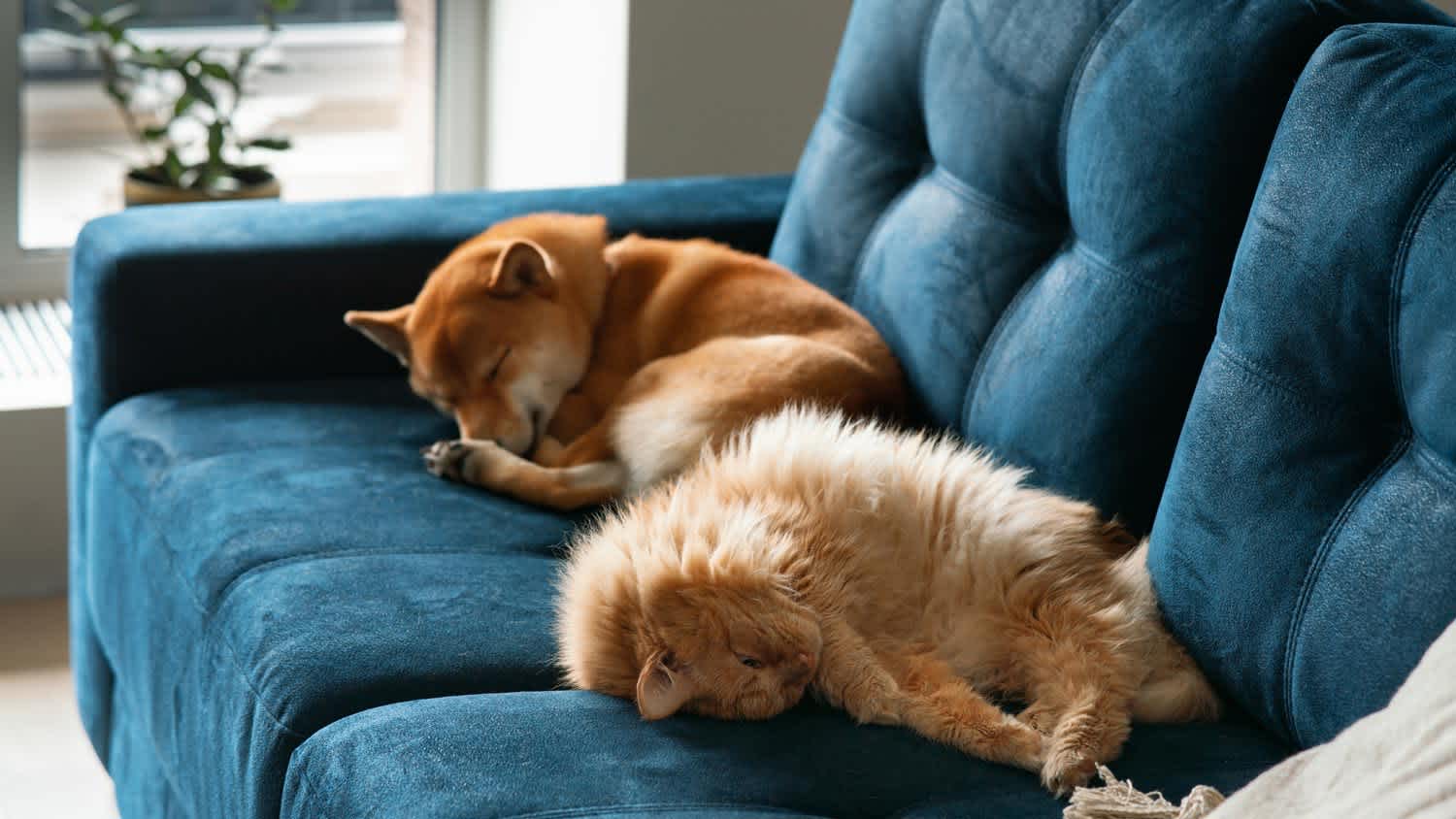
Has your microfiber couch seen better days? Find out how to clean a microfiber couch, keep it clean, and when to call a pro here.

Learn when professional couch cleaning is worth it and when DIY will do it by understanding the pros and cons of both options, no matter the material.

We’ve got you covered on the best ways to maintain and protect your leather furniture and how to tell if your leather furniture is protected or unprotected.

Knowing how to steam clean a couch is one way to keep such an integral part of your home in great condition. Use this guide to help keep your couch good as new.