I pride myself on my professionalism, as well as my ability to complete every job to the homeowner's total satisfaction. I never leave a job unfinished, or a homeowner not 100% satisfied with my level of service - Call today!
David Ferguson's construction business is dedicated to quality and outstanding customer service. Our job is to provide you with quality service at a great price. Please don't wait call us today.
The first thing you should do when cleaning smoke damage is open all your windows to ventilate the affected area and run an air purifier with a HEPA filter. Cover your furniture and belongings to prevent soot accumulation, and vacuum any soot that’s on the floor and other surfaces. Be sure to wear a mask, gloves, and eye protection when cleaning the affected area.
The drying time for a couch or other upholstered furniture after cleaning can range from 1 to 24 hours, with a common estimate being 2 to 8 hours. This duration depends on several factors, including the type of fabric, the cleaning method used (such as steam cleaning or shampooing), the size of the furniture, and the room's temperature and humidity.
To speed up the drying process, you can use fans, a heater, or a dehumidifier, and increase ventilation by opening windows. Rotating the cushions can also help ensure they dry evenly. It is crucial to wait until the furniture is completely dry before sitting on it. Using it while damp can trap moisture, potentially causing mold, mildew, unpleasant odors, dye transfer, or permanent damage to the foam cushions.

Different rug cleaning companies may prefer different methods of cleaning for area rugs, but many prefer to steam-clean rugs and carpeting. Steam cleaning avoids using detergents and cleaners that can be sticky or contain harsh chemicals. Shampooing a rug requires using brushes to agitate and remove the cleaning agent from the carpet, possibly subjecting the carpet fibers to unnecessary wear and tear.
You should lightly clean your leather couch biweekly by dusting off any surface dust or debris with a clean rag. Every month do a deeper clean with a vacuum to remove crumbs or dust from between cushions. You should only condition your couch about once a year to avoid any solution buildup.
When cleaning upholstery, you want to avoid harsh scrubbing, oversaturating the fabric, and using the wrong kind of cleaner for the fabric you’re cleaning. Any of these can cause significant damage to the upholstery, including rips, stains, faded fabric, mildew, or discoloration. Be methodical and use a light touch when cleaning upholstered furniture to preserve the life and look of the upholstery.
The Rosebud, SD homeowners’ guide to carpet cleaning services
From average costs to expert advice, get all the answers you need to get your job done.
Sometimes, you need to give your carpet a deep clean. This guide breaks down the best way to clean carpet to make your floor sparkle and remove hidden dirt.
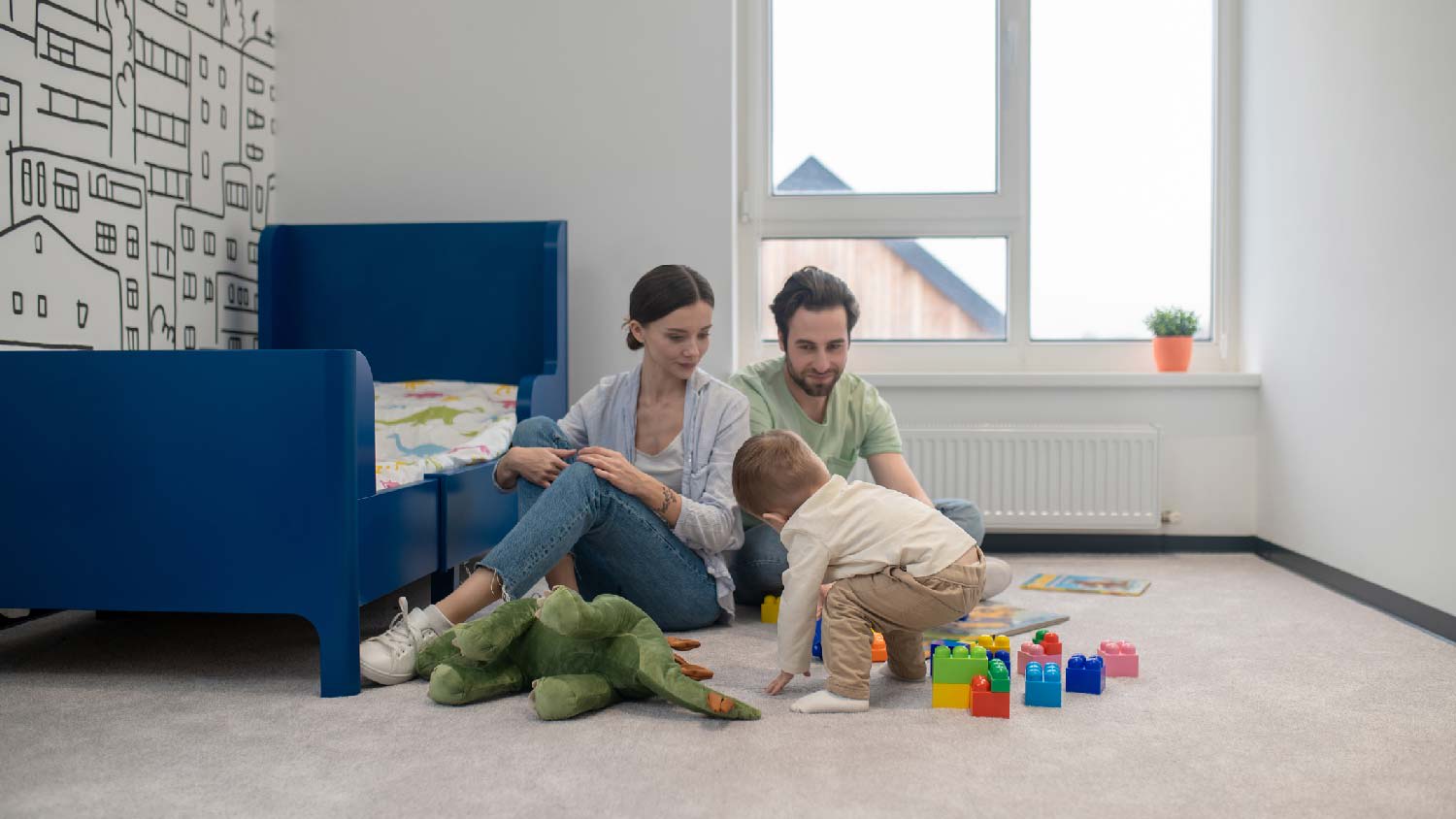
Some homeowners wonder if professional carpet cleaning is worth the cost. We break down the pros and cons so you can decide what works best for your home.