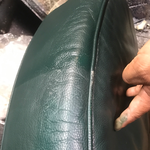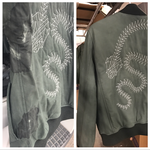
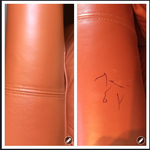
"When no one locally even responded to my inquiries for a quote, Michelle got back to me the same day with a quote and description of how the repair would be done. It's a slight downside to have to ship one glove coast to coast for a minor repair on one finger. But the cost of shipping and the repair is much less than purchasing another $100 pair of gloves! The repair took a little longer than anticipated, but shipping time had to be factored in as well. Michelle was very prompt with communications during the process. Cost of service below did not include shipping which was about $16 round trip. The glove returned good as new...well as good as it's pair. The glove is two years old. But the seam was totally resewn and reinforced. Michelle stated she did not want to the issue to happen again. I hope it won't. The problem started with my fingers rubbing. Very happy with the service from Premier. I wish they had a shop in Maryland!"
Couch Cleaning Services questions, answered by experts
The best way to save money on HVAC repairs is by regularly having your system inspected and maintained. This can prevent bigger problems and costly repairs and replacements in the future. It’s also smart to buy quality equipment and hire companies that provide warranties on equipment and labor. If you need repairs, you may be able to save money by cashing in on rebates and incentives or keeping the area around your HVAC unit clear to shorten the time your contractor needs to spend in your home.
Repair costs range from $150 to $700, depending on the issue, part replacements, and labor.
As a general rule, HVAC air filters should be replaced every one to three months (or every 90 days). However, the ideal frequency depends on several factors, including the filter type and your home's environment. For instance, if you use thinner filters (1-2 inches deep), have pets, have household members with allergies, smoke indoors, or frequently keep windows open, you may need to change the filter as often as once a month. It's best to follow the manufacturer's recommendation as a guideline and visually inspect the filter monthly to see if it's dirty. Regular filter changes are crucial for maintaining proper airflow, good indoor air quality, and efficient HVAC system operation.
Dry mode positively impacts indoor air quality by reducing excess moisture, which stops the growth of mold and mildew. By maintaining optimal humidity levels, dry mode creates a less hospitable environment for allergens and airborne pathogens, improving overall air quality. However, it's essential to ensure proper ventilation to prevent stale air accumulation.
No, running your furnace without an air filter isn’t better than running it with a dirty filter. Even if it’s dirty, a filter will still prevent particles from blowing around your ducts and your house. However, neither of these options is good for your furnace or your health. Replace your filter once every one to three months for optimal furnace performance and air quality.
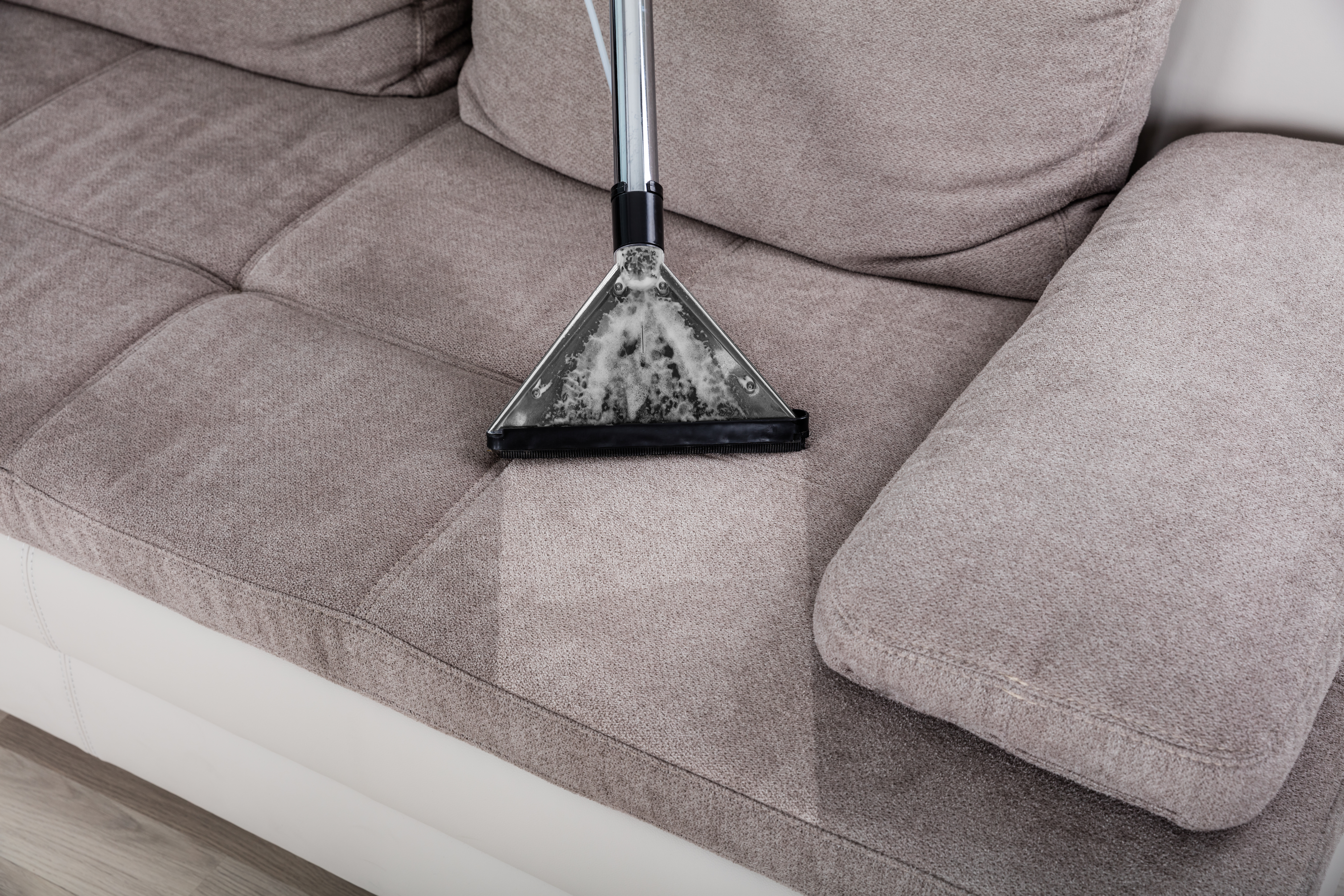
The Kyle, SD homeowners’ guide to couch cleaning services
From average costs to expert advice, get all the answers you need to get your job done.