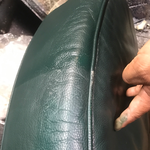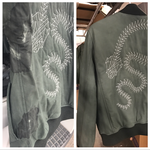
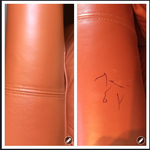
"When no one locally even responded to my inquiries for a quote, Michelle got back to me the same day with a quote and description of how the repair would be done. It's a slight downside to have to ship one glove coast to coast for a minor repair on one finger. But the cost of shipping and the repair is much less than purchasing another $100 pair of gloves! The repair took a little longer than anticipated, but shipping time had to be factored in as well. Michelle was very prompt with communications during the process. Cost of service below did not include shipping which was about $16 round trip. The glove returned good as new...well as good as it's pair. The glove is two years old. But the seam was totally resewn and reinforced. Michelle stated she did not want to the issue to happen again. I hope it won't. The problem started with my fingers rubbing. Very happy with the service from Premier. I wish they had a shop in Maryland!"
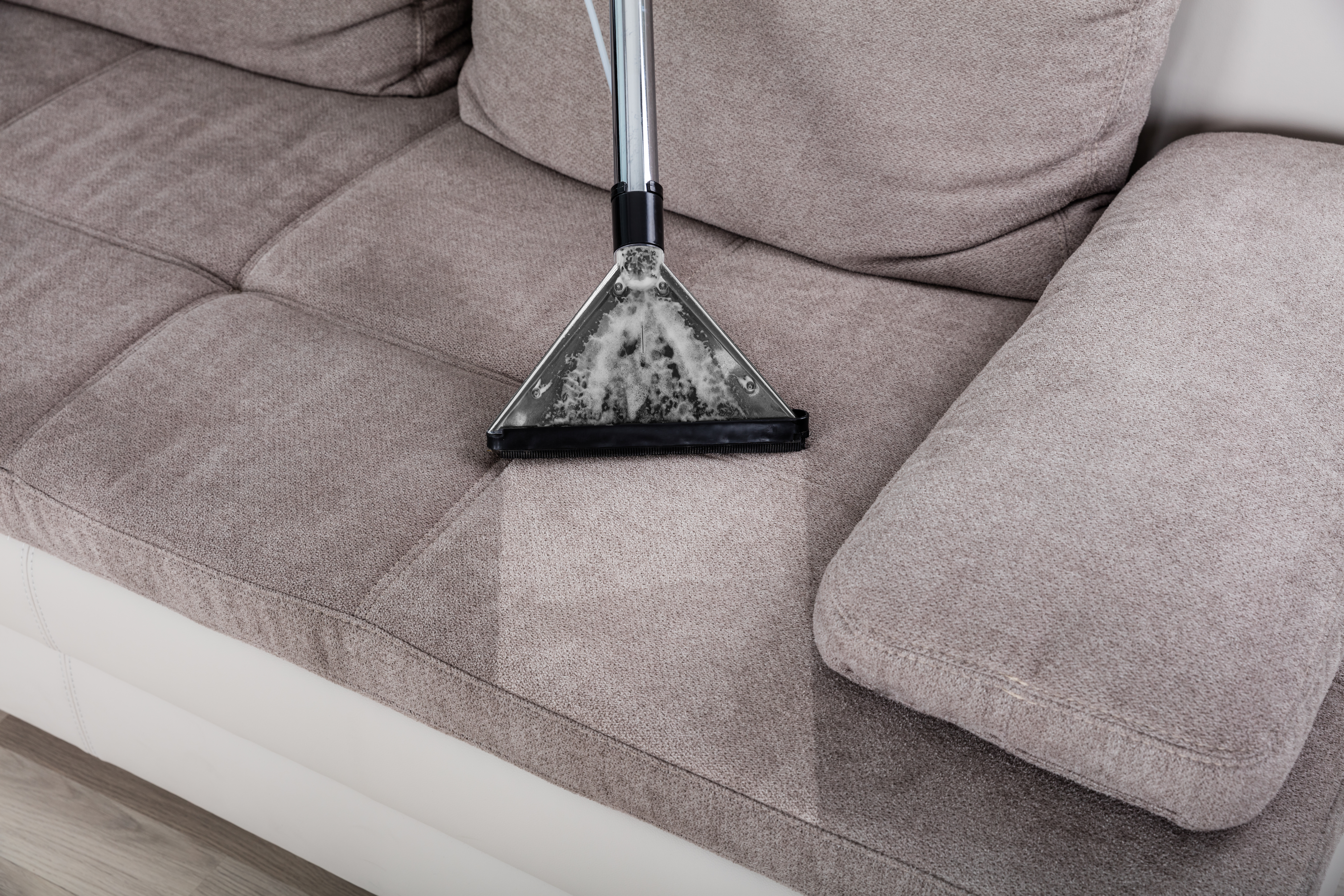
Couch Cleaning Services questions, answered by experts
HVAC pros recommend that you replace your AC filter every one to three months to maintain optimal indoor air quality and ensure your HVAC system operates efficiently. However, factors such as filter type, household size, and environmental conditions may influence the frequency of replacement. Regular filter changes help prevent debris buildup, maintain airflow, and prolong the life span of your air conditioning unit.
According to the Centers for Disease Control and Prevention (CDC), no single water filter or treatment system can remove 100% of contaminants. To find the best filter for your needs, first determine which impurities are most important for you to remove. For example, reverse osmosis (RO) filters are highly effective at removing a wide range of contaminants, including sediment, heavy metals, bacteria, viruses, dissolved salts, and chemicals. However, the RO process can also filter out beneficial minerals like calcium and magnesium. If eliminating bacteria is your main priority, a UV filter could be a suitable choice. Additionally, distilled water is considered the most pure form of filtered water available.
The lifespan of a whole-house air purifier or filtration system depends on several factors, but with proper maintenance, they are built to last. A whole-house system that integrates with your home's ductwork can last 10 to 15 years, or even for the entire lifetime of your existing HVAC system. To maximize the unit's lifespan, perform regular cleanings, change filters as recommended, and schedule an annual inspection to catch potential issues early. The system's longevity also depends on its frequency of use and how hard it must work to maintain your desired air quality. For comparison, smaller, portable air filter systems typically last between five and ten years.
Cleaning and replacing filters and ducts reduce allergens and enhance air quality.
Both an air purifier and a dehumidifier can help prevent future mold growth, but neither can remove existing mold. An air purifier will improve air quality and trap mold spores in the air, whereas a dehumidifier will reduce moisture in the environment. Keep in mind that you need to make sure your air purifier uses HEPA filters, which are rated for mold removal.
The Lower Brule, SD homeowners’ guide to couch cleaning services
From average costs to expert advice, get all the answers you need to get your job done.