"The technician emptied the freezer, which was in the basement, to work on the part that needed repair. Then he neglected to put anything back into the freezer, including a turkey I had bought for Christmas and a rack of ribs. Two days after he left, I went out of town for two weeks. The turkey actually exploded and spewed its liquid all over everything, which had to be discarded. I let AHS know and they couldn't even bother to call me or follow up on this. I'm considering not renewing my contract with them because of the quality (or lack thereof) of many of the providers they send."
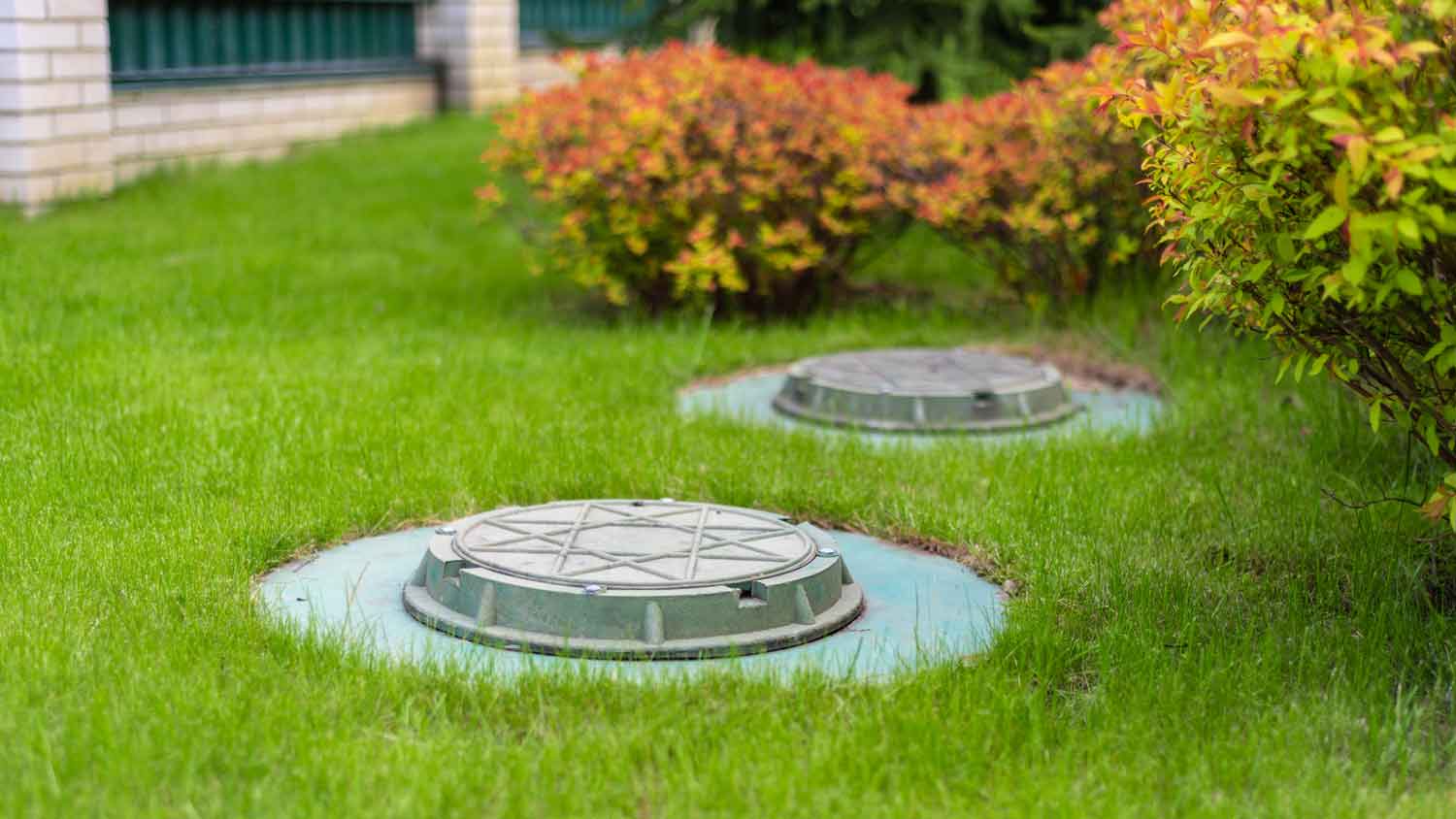
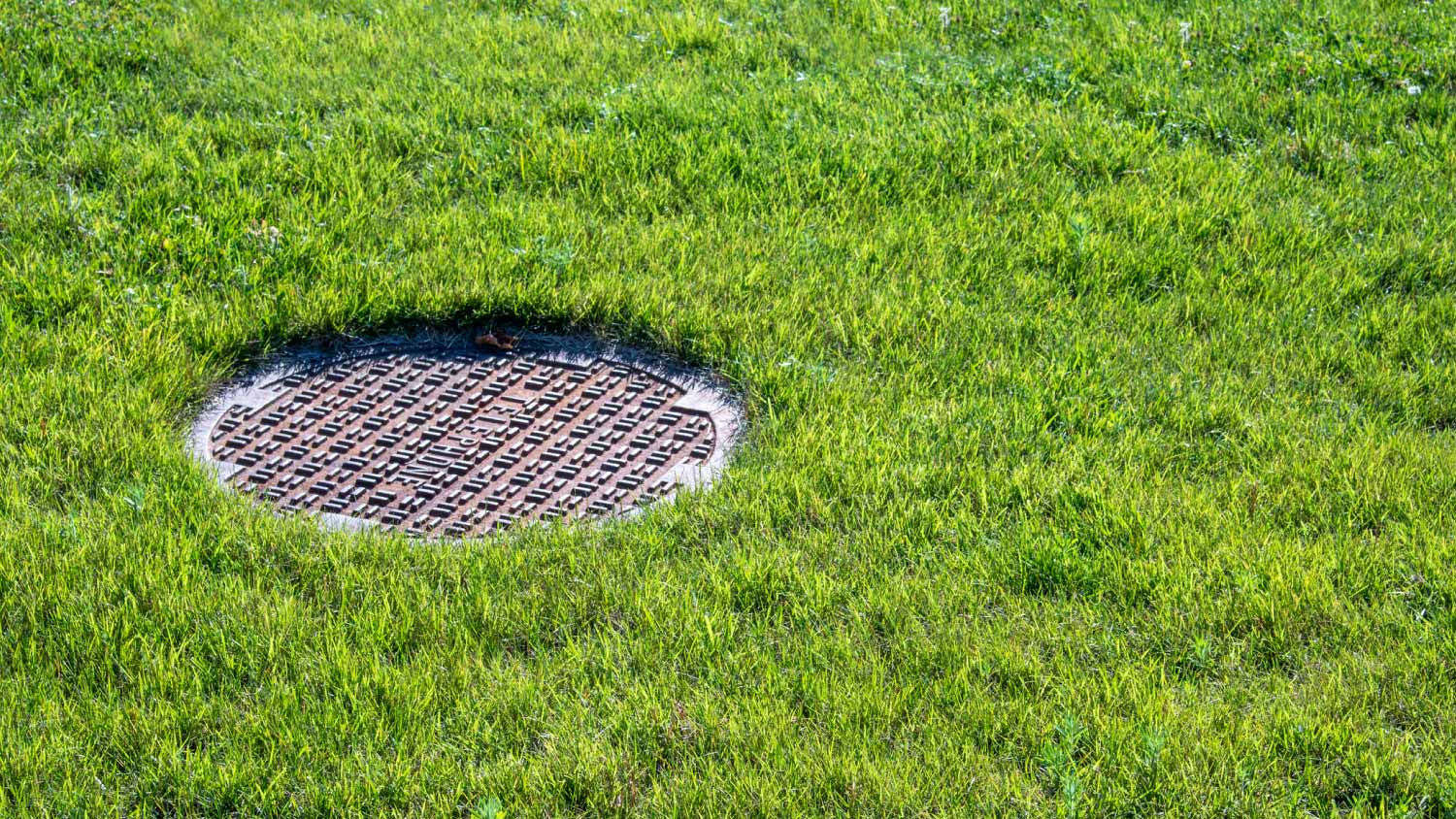
You can find your septic tank using a few different methods. For one, you can check your property records at your local municipal office. You can also inspect your yard looking for a depression, a septic tank lid, or lush septic-area vegetation which would indicate a leach field. You can also follow your pipes from the home to the yard. If you can't find your septic tank on your own, a local septic pro can help.
Permits command adherence to health and environmental standards, with submission crucial for new system installations or extensive modifications.
With so much available information about the ecological effects of cesspools (and their general unpleasantness), it begs the question: Are cesspools legal? In short, sort of. Large-capacity cesspools that serve more than 20 people are completely illegal countrywide. Existing, smaller cesspools are generally allowed as long as they’re not actively polluting. However, new cesspools are illegal to build in all 50 states and Puerto Rico, and many states offer programs to help homeowners with the costs of updating cesspools to modern septic systems.
Septic tanks naturally have bacteria that break down some of the solid waste in the septic tank. However, sludge buildup is just part of owning a septic system. While liquid wastewater can be filtered and treated through the system, a septic tank company has to pump the septic tank out at least every few years.
The pressure in a well pressure tank should be set 2 to 3 PSI below the pump's cut-on pressure. The cut-on pressure is the lower number in the pressure setting (e.g., the '30' in 30/50 PSI) and is the point at which the pump starts. The cut-out pressure is the higher number, where the pump stops.
For example:
If your pressure switch is set to 30/50 PSI, the tank pressure should be 27-28 PSI.
If your pressure switch is set to 40/60 PSI, the tank pressure should be 38 PSI.
Common pressure settings for household applications include 20/40, 30/50, and 40/60 PSI. The difference between the cut-on and cut-out pressure is typically 20 PSI.
The Rosebud, SD homeowners’ guide to septic tank services
From average costs to expert advice, get all the answers you need to get your job done.
It’s crucial to install a septic tank with the right volume to avoid wastewater backups. This guide will help you calculate the right septic tank volume.
Septic tank sizes vary depending on the size of your home, how many people live there, how much water you use, and more. Read on to learn how to determine the right size for you.