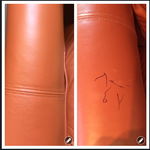
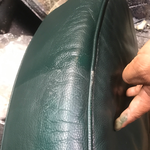
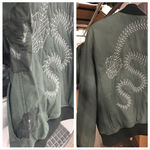
"When no one locally even responded to my inquiries for a quote, Michelle got back to me the same day with a quote and description of how the repair would be done. It's a slight downside to have to ship one glove coast to coast for a minor repair on one finger. But the cost of shipping and the repair is much less than purchasing another $100 pair of gloves! The repair took a little longer than anticipated, but shipping time had to be factored in as well. Michelle was very prompt with communications during the process. Cost of service below did not include shipping which was about $16 round trip. The glove returned good as new...well as good as it's pair. The glove is two years old. But the seam was totally resewn and reinforced. Michelle stated she did not want to the issue to happen again. I hope it won't. The problem started with my fingers rubbing. Very happy with the service from Premier. I wish they had a shop in Maryland!"
I pride myself on my professionalism, as well as my ability to complete every job to the homeowner's total satisfaction. I never leave a job unfinished, or a homeowner not 100% satisfied with my level of service - Call today!
NATE-certified technicians may charge slightly higher service fees compared to non-certified technicians. This is because NATE certification signifies a higher level of expertise and professionalism, often leading to more efficient and effective HVAC repairs and installations. While the upfront cost may be marginally higher, NATE-certified technicians can potentially save you money in the long run by reducing energy consumption, preventing frequent breakdowns, and extending the life span of your HVAC system. When looking for a local HVAC company to hire, it never hurts to ask about NATE certifications.
No, running your furnace without an air filter isn’t better than running it with a dirty filter. Even if it’s dirty, a filter will still prevent particles from blowing around your ducts and your house. However, neither of these options is good for your furnace or your health. Replace your filter once every one to three months for optimal furnace performance and air quality.
The lifespan of a whole-house air purifier or filtration system depends on several factors, but with proper maintenance, they are built to last. A whole-house system that integrates with your home's ductwork can last 10 to 15 years, or even for the entire lifetime of your existing HVAC system. To maximize the unit's lifespan, perform regular cleanings, change filters as recommended, and schedule an annual inspection to catch potential issues early. The system's longevity also depends on its frequency of use and how hard it must work to maintain your desired air quality. For comparison, smaller, portable air filter systems typically last between five and ten years.
While an air purifier can trap mold spores and stop them from spreading around your home, it’s not the most effective solution for tackling the problem. Mold is caused by excess moisture and humidity, so there’s a good chance you have an issue somewhere else in your HVAC system that needs to be addressed.
It’s not customary to tip HVAC technicians, and most professionals won’t expect it. However, it’s a nice way of showing your appreciation for the work they do, especially if they come out in inclement weather or on a weekend or holiday to fix an emergency issue if your heat or AC goes out in extreme temperatures. A good tip would be between 10% to 20% of the total bill, depending on how above and beyond the tech goes for your repair and on the total cost of your HVAC repair or service. For something like a routine tune-up or scheduled maintenance, tips aren’t expected.
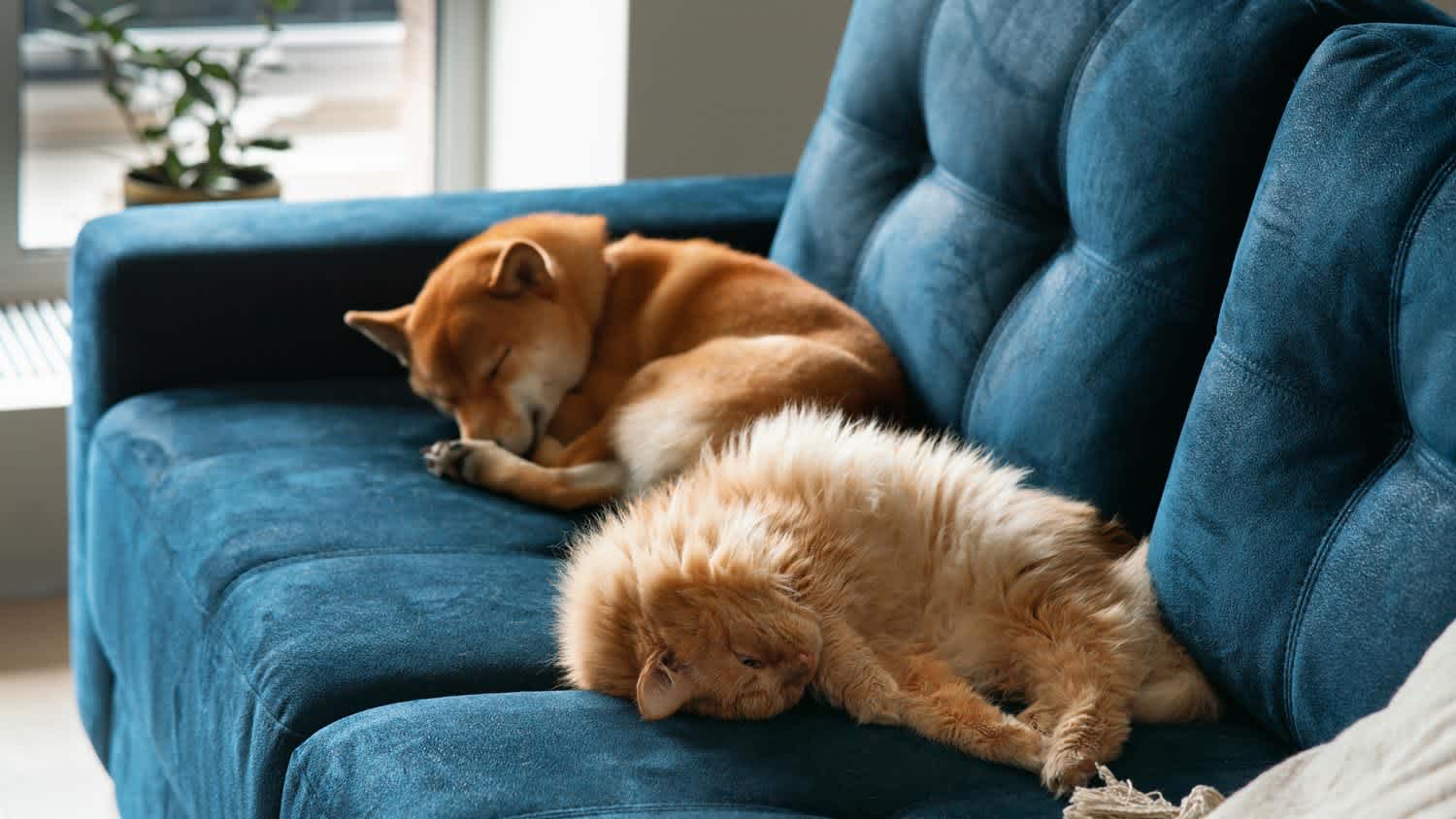
The Kadoka, SD homeowners’ guide to couch cleaning services
From average costs to expert advice, get all the answers you need to get your job done.