





Top-rated concrete resurfacing pros.

Best concrete resurfacing pros near Redfield, SD

Enter your zip and get matched with up to 5 pros

Need a pro for your concrete resurfacing project in Redfield, SD?

Select your specific project to find the pro for you.

Top-Rated Concrete resurfacing pros in Redfield - Updated Nov 2026

Avatar for Enhanced Basements Foundation Repair LLC
Enhanced Basements Foundation Repair LLC
New to Angi
Concrete Flatwork - Repair & Resurface

Serving Redfield, SD and surrounding areas

In business since 2024

Free estimates

Emergency services offered

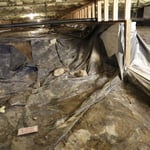
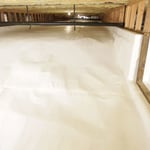
Enhanced Basements foundation repair offers reliable and affordable foundation repair solutions. Our dedicated team is committed to providing high-quality services to address various foundation issues. We take pride in our work and strive to ensure the safety and stability of your property.

American Contracting And Consulting LLC
New to Angi
Concrete Flatwork - Repair & ResurfaceConcrete Flatwork - Repair & Resurface- For Business

Serving Redfield, SD and surrounding areas

In business since 2025

Free estimates

Offers commercial services

We have a single mission: Complete Customer Satisfaction! We have consistently focused on the needs of our customers, providing personalized attention and a stress-free experience. \nYou will find us to be competitively priced with close attention to the details. \nOur reputation is based on service, safety, and quality, regardless of how large or small the job. \nWe look forward to building a lasting relationship and guarantee your satisfaction! \n

Concrete Resurfacing FAQs, answered by experts

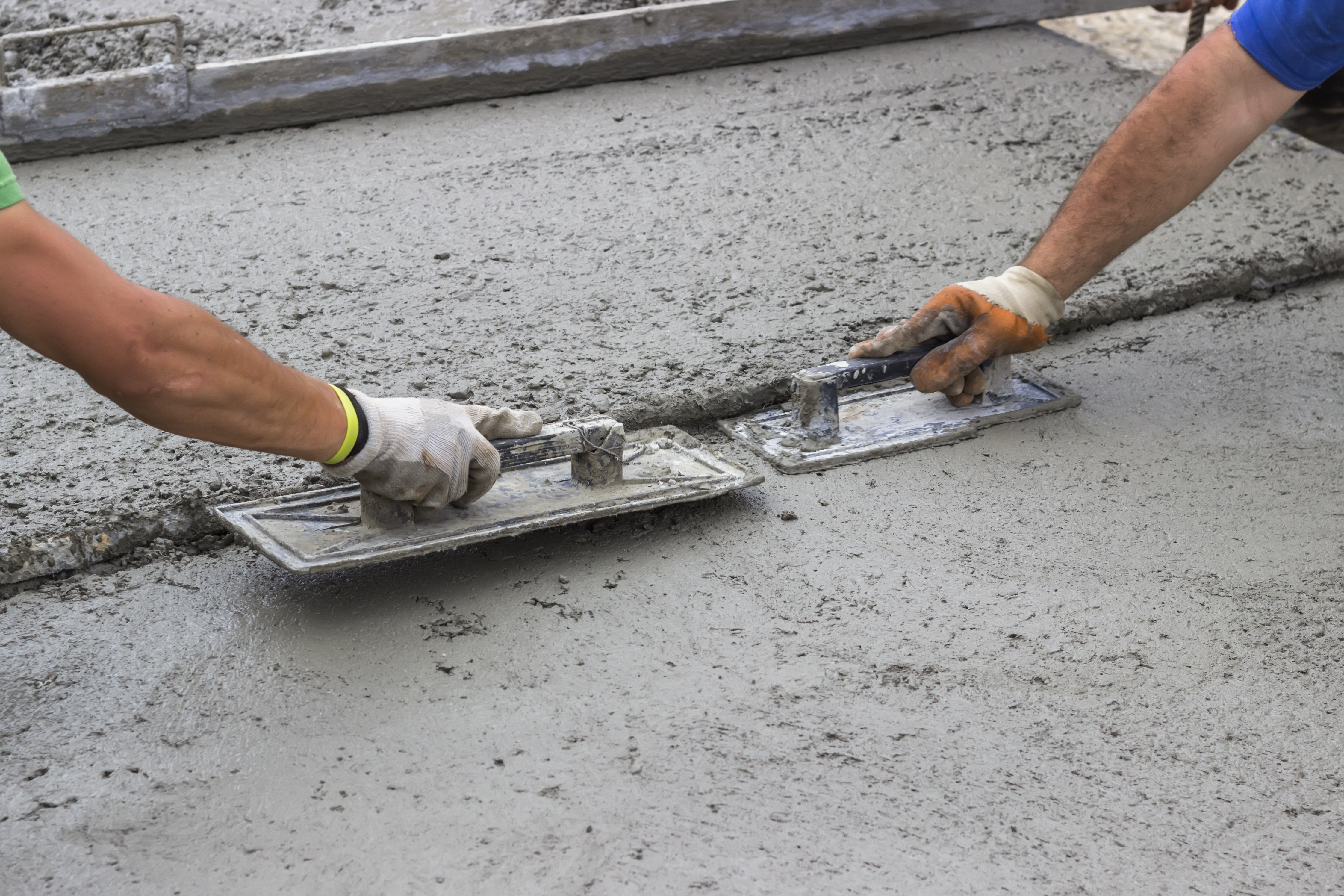
Concrete resurfacing and concrete overlay are terms often used interchangeably to describe the process of applying a new, thin layer of pre-blended concrete over an existing slab. This process enhances the durability and appearance of the concrete, giving it a fresh look without the high cost of a full replacement. The new layer is typically between 1/4-inch and 1-inch thick, significantly less than the 4 inches required for a new slab, and can be stamped, colored, or textured for a custom finish.

While the terms are often considered the same, their meaning can sometimes vary by contractor. Some may use "overlay" to describe a thicker application that adds structural integrity, while "resurfacing" might refer to a thinner layer intended for cosmetic upgrades. Other common names for this process include concrete restoration, concrete refinishing, and concrete rejuvenation.

A concrete overlay on an existing slab can range from 1/4 of an inch to 2 inches thick, though a minimum of 2 inches is often recommended to ensure stability and quality. The ideal thickness depends on the condition of the existing concrete and the depth of any planned designs or imprints. Before applying the overlay, it's important to repair and clean the surface, then apply a primer. For specialized work like a stamped concrete overlay, hiring an experienced contractor is recommended to determine the correct thickness and ensure the new layer isn't too high or heavy. For context, most standard concrete slabs are between 4 and 6 inches thick.

Concrete pools are very durable but can crack if not properly maintained. The most significant risk is winter weather and low temperatures when water can seep into crevices and freeze. To avoid damage, use the proper winterization chemicals, and don’t completely drain your pool. Concrete pool repairs cost around $75 per linear foot for small cracks.

Sealing resurfaced concrete is not an absolute necessity. However, it is recommended, and in most cases, a high-quality concrete sealer can protect the surface from stains as well as water penetration, extending the life of the resurfacing material. Some sealers are formulated to protect pigments from fading due to UV exposure. Sealer tends to enhance the colors in decorative resurfacing applications, making them more vibrant and richer compared to the duller, more faded appearance of concrete colors without sealer.

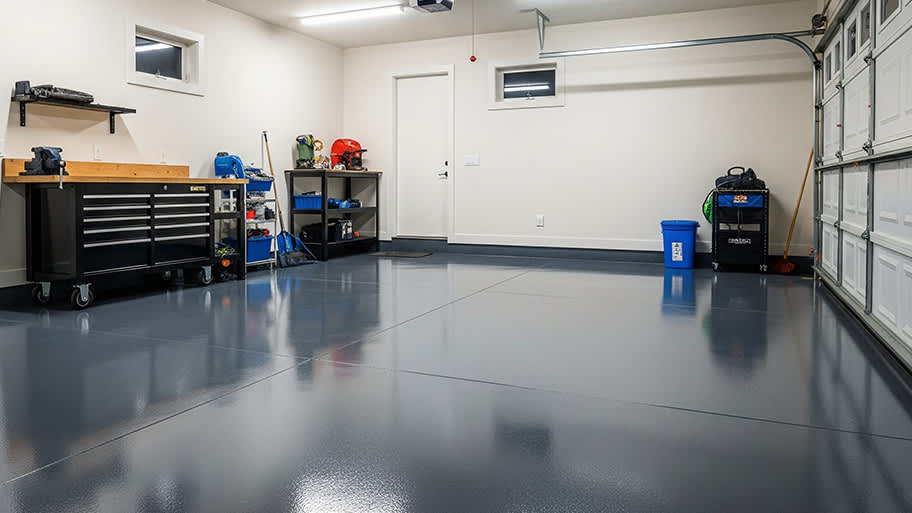
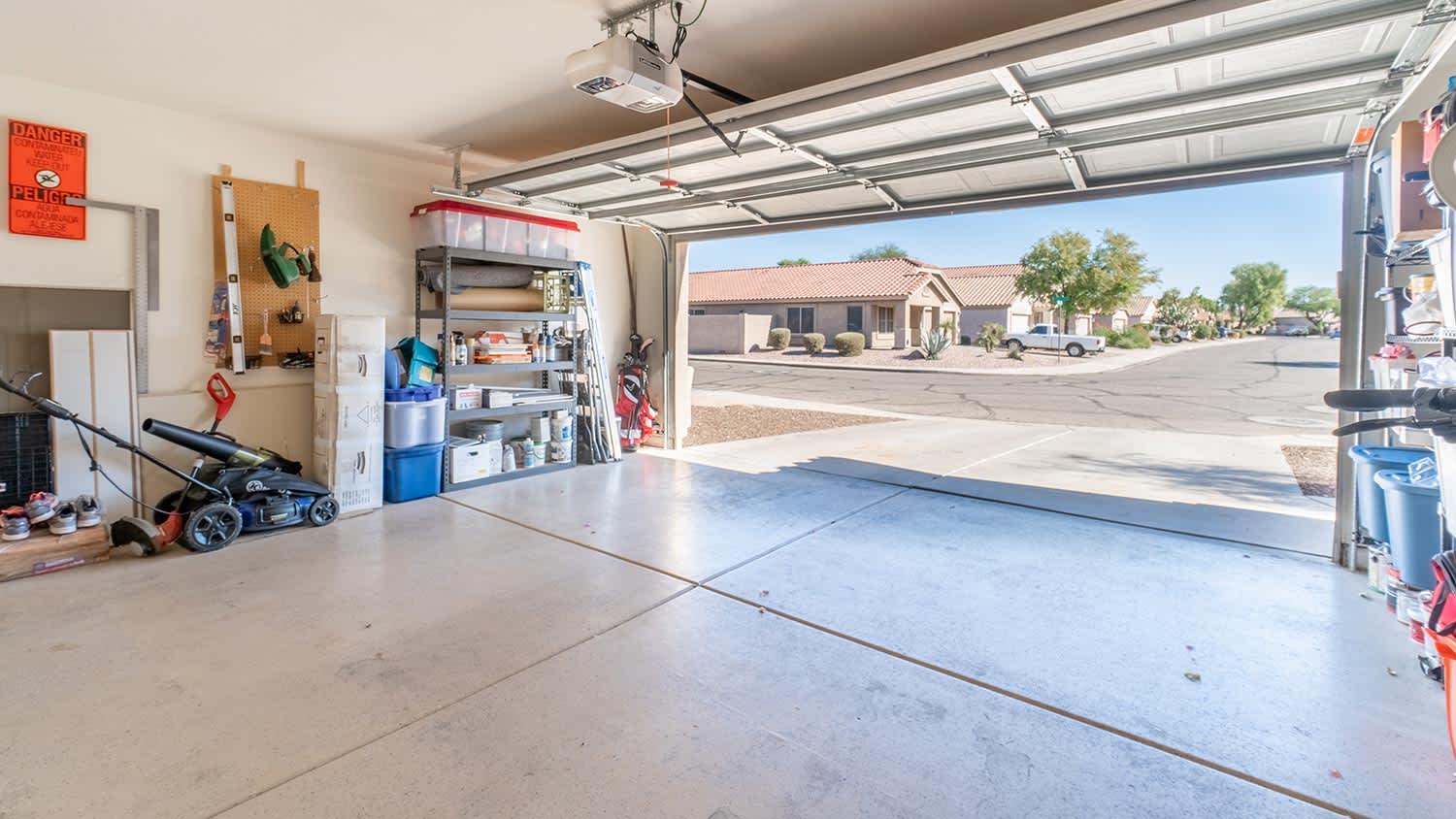
Self-leveling concrete is the best option for your garage floor since it guarantees an even surface in the end. However, most garage floors weren’t made with self-leveling concrete. You don’t need to fully replace the garage floor to use self-leveling concrete. A quarter-to-half-inch of self-leveling concrete on top of your existing floor will be sufficient for a smooth and even finish.

The Redfield, SD homeowners’ guide to concrete resurfacing

From average costs to expert advice, get all the answers you need to get your job done.