"AHS is ok. They cover repairs of most everything under the roof of your house. The companies that contract with them are not always the best. You call AHS with the issue, they send a fax to the repair company and give you the contact info. If they don't contact you within 24 hours, you call them. Sometimes they answer, sometimes they don't. When they arrive (usually three days or so later), they service the item. if it has issues within the 90 days, you call AHS again, they are sent out with no charge. If the serviceman decides the unit is unrepairable, AHS will allow you to choose a replacement from their listing (usually not as good as what you have) they will install and remove your old item, or give you wholesale amount to buy and install your own. Prices vary on what you want covered and what you want the copay to be, plus where you live. For me it is 49.99 per month with a 75.00 time of service order. You can have more than one item serviced at the same time under the same fee. If you have a SEAR product the repair guys are great. Not that wild about the other ones they send out. But it is a big savings compared to calling someone on your own. The cost of service is only the 75.00 copay."

"Chris was very knowledgeable about the opening of my pool as well as balancing my hot tub. He explained everything in detail so I understood what he was doing. He was friendly and professional and I would highly recommend him for your pool and hot tub needs."
Install Above Ground Pools questions, answered by experts
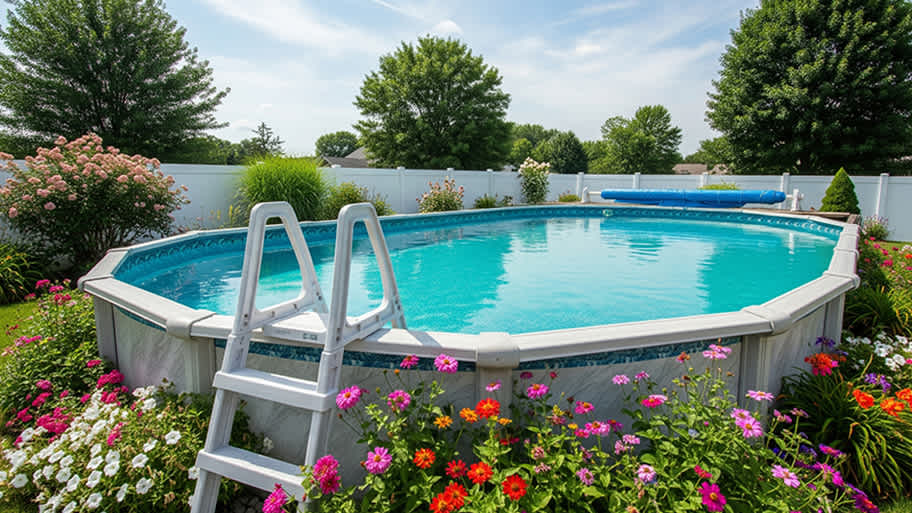
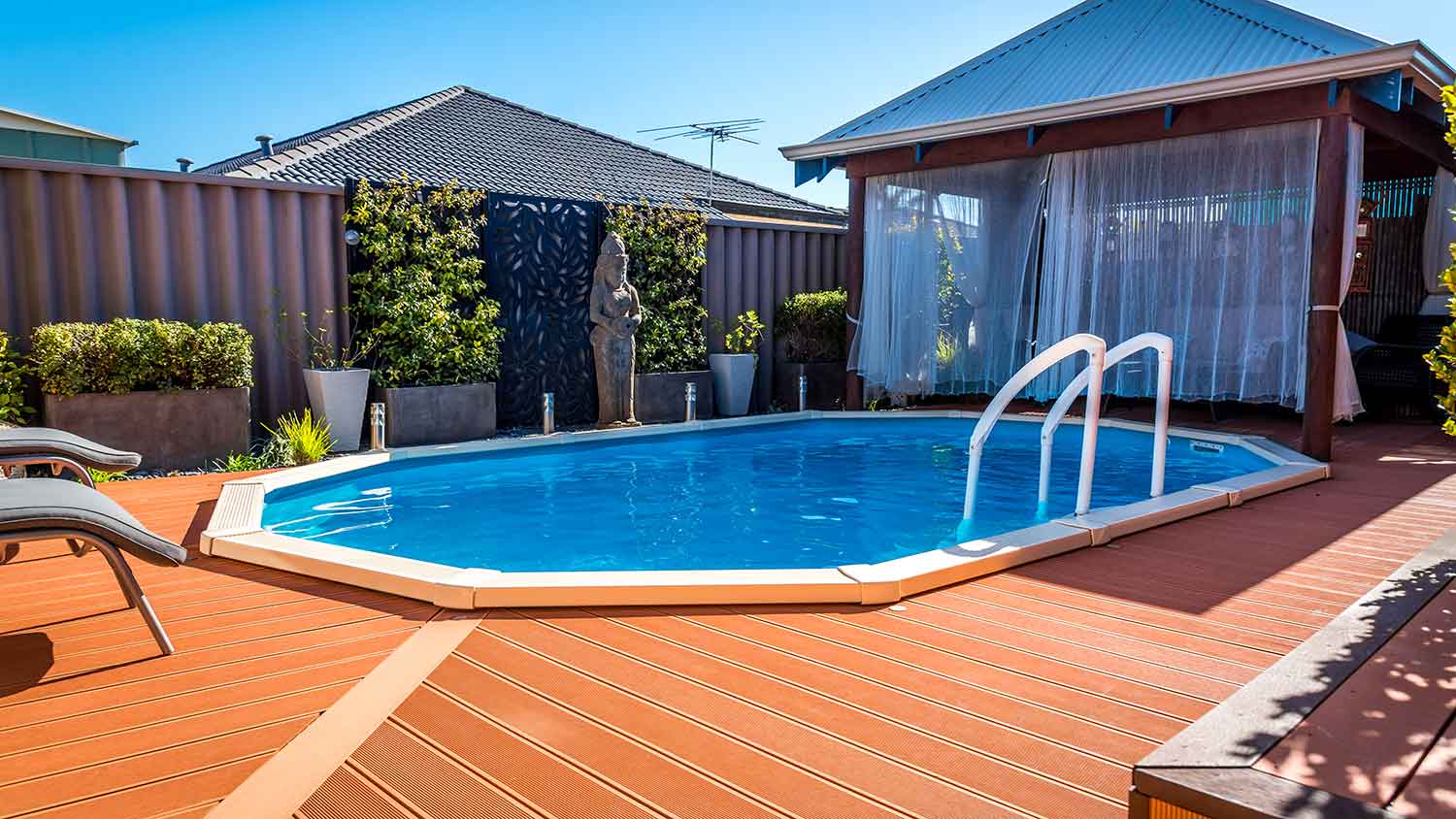
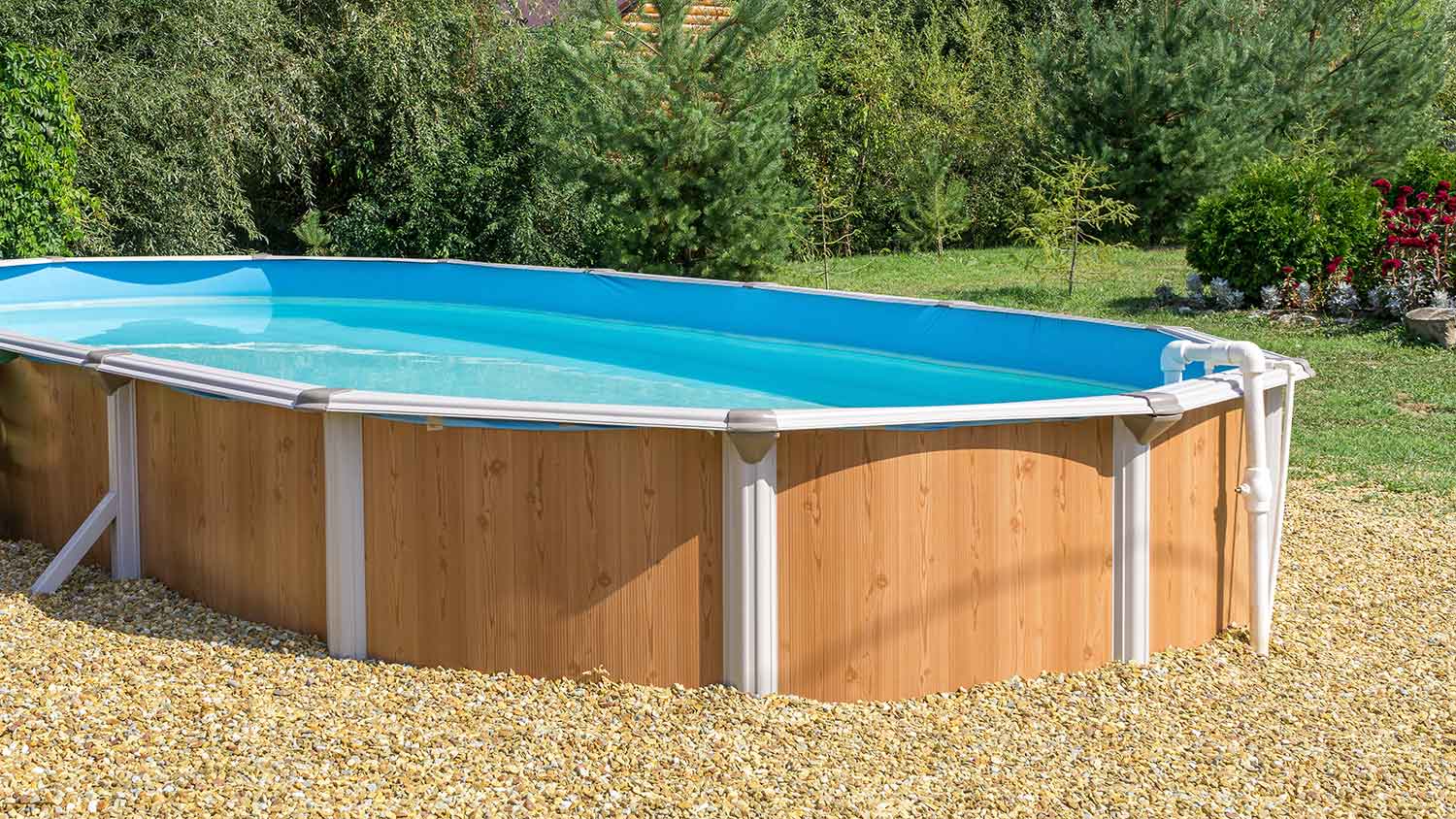
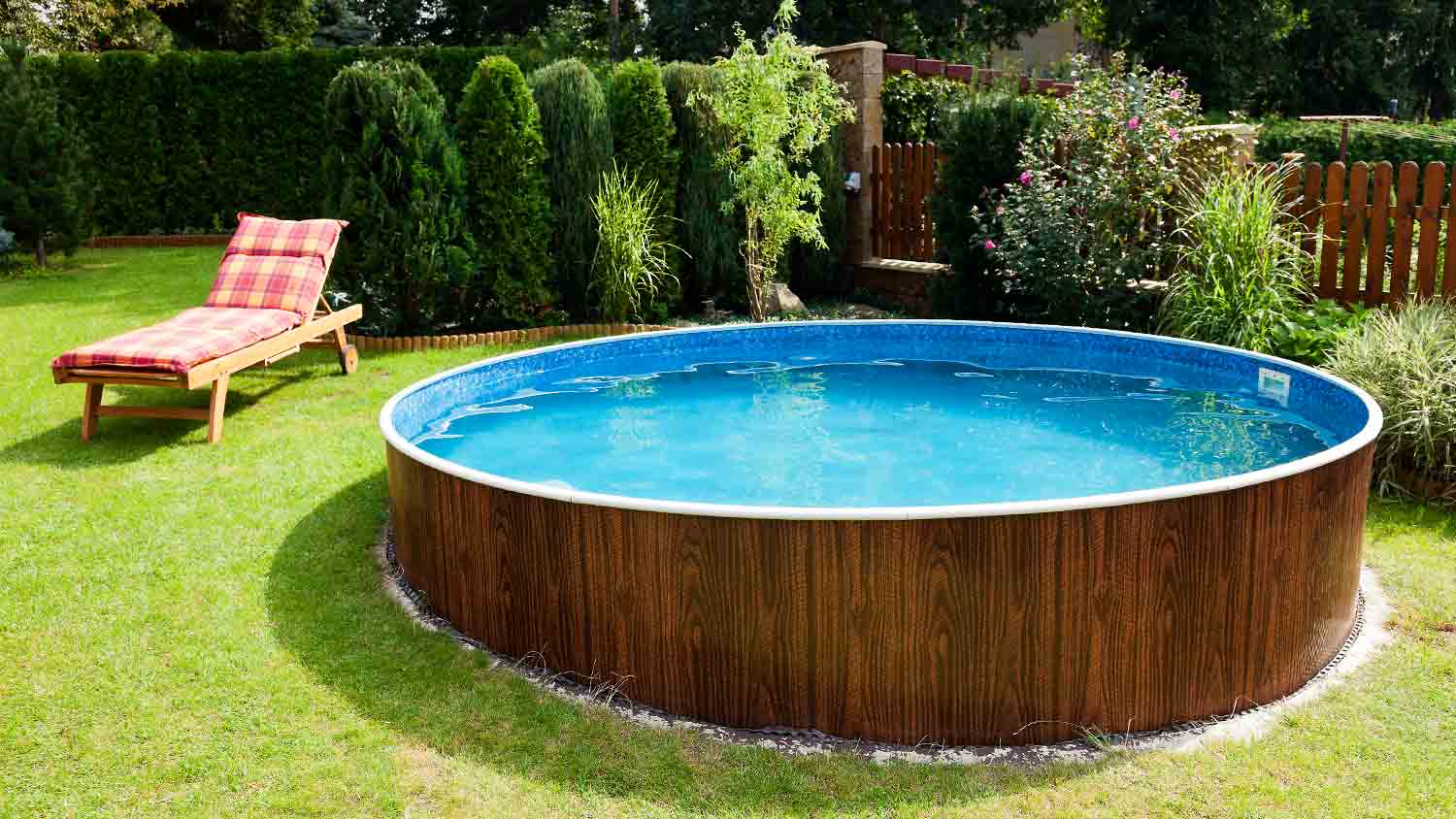
There are pros and cons of in-ground vs. above-ground pools, which you should consider when choosing the pool of your summertime dreams. Some factors to think about include:
Above-ground pools are semi-permanent and movable, whereas in-ground pools are permanent structures.
In-ground pools are more expensive to install than above-ground pools.
It takes one to three days to install above-ground pools and several weeks for an in-ground pool install.
You can install an above-ground pool in smaller yards, but you need plenty of space for an in-ground pool.
Because they are smaller than an average-sized swimming pool, building a plunge pool is less costly than a traditional pool. In-ground swimming pools cost about $67,000, while plunge pools cost around $20,000. You won’t have as much room to swim in, but the smaller size means you spend less on land excavation, materials, and hourly labor rates.
The average pool loses one-eighth of an inch of water every day. However, how much your pool will lose depends on various factors, such as water temperature, climate, and weather. Warm water will evaporate more quickly than cold water, and pools in low-humidity climates will experience faster evaporation. However, this doesn’t mean you’ll need to constantly refill your pool.
Generally, you should run your pool pump for eight to 12 hours a day to keep your water clean and chemical levels balanced. The ideal runtime can vary depending on your specific pump type. While running the pump as much as possible is ideal for cleanliness, it can increase electricity costs. To save money, you can run the pump strategically during non-peak hours when electricity is cheaper, which is often in the evenings or at night. The hours do not need to be consecutive.
Generally, you do not need to drain your pool to convert it to a saltwater system. The main exception is if you have used an antibacterial agent containing polyhexamethylene biguanide to sanitize your pool, as these sanitation products do not mix well with saltwater systems. If this is the case, you will need to start fresh. You can either drain the pool or treat the existing water with a high dose of chlorine to remove the antibacterial agent. If you choose the chlorine treatment, wait several days to allow the chlorine to work before proceeding with the conversion. If you are unsure whether this applies to your pool, consult a pool technician.
The Presho, SD homeowners’ guide to above ground pool installation services
From average costs to expert advice, get all the answers you need to get your job done.
Above ground pools are more affordable than inground pools, so can you put an above ground pool in the ground to save money? Learn when it’s safe to do so.