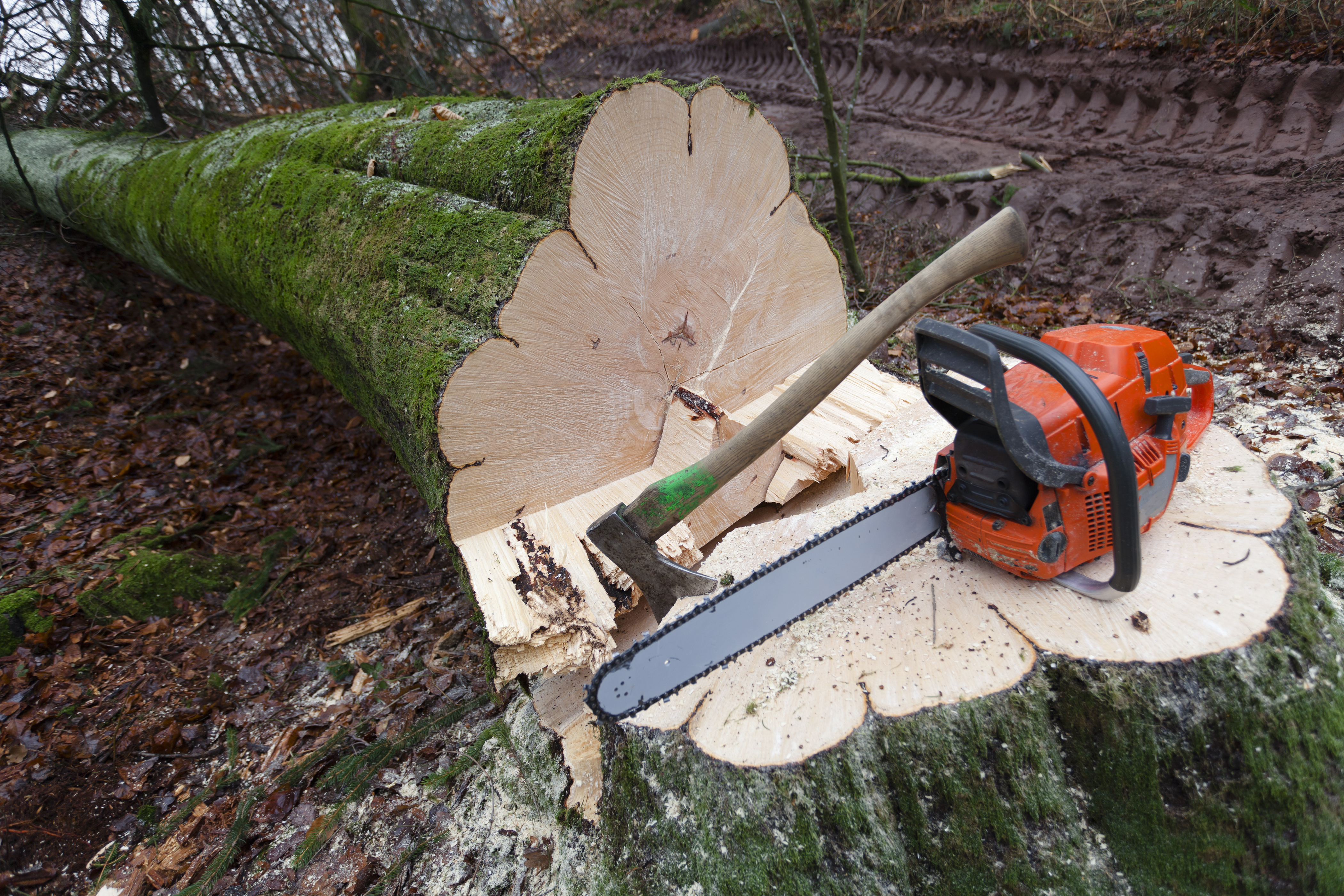
The easiest way to remove bushes is first to cut the bush down. You may need to use a handsaw, pruning shears, or a chainsaw for thicker branches. Once you’ve removed most of the branches, you can then cut the base of the shrub as low to the ground as you can get. Then, with a shovel, dig around until you expose the roots. Dig out the roots, being careful not to leave any roots in the soil.
Several tools exist that can help remove unwanted grass. The one you choose depends greatly on how much you need to remove and how hard you'd like to work. A sod or turf cutter is the fastest method while using a shovel is labor-intensive and much slower. You may also need a garden rake, tiller, and wheelbarrow.
According to the College of Agriculture and Life Sciences, there are over 10,000 kinds of mushrooms, and some are harmful to both humans and animals. However, not all mushrooms are harmful—some feed on thatch and wood, which provides nutrients for grass and plants.
But unless you’re a mushroom expert (mycologist), it can be hard to tell poisonous mushrooms from non-poisonous. So if you have kids or pets (or both), removing them is the safest route to take.
The cost to remove all bushes around a house can vary widely based on the size and number of bushes, their location, and the complexity of the removal process. Smaller properties with fewer or smaller bushes may cost less, while larger properties with numerous or larger bushes will cost more. Additionally, if any bushes are located in hard-to-reach areas, you’ll likely pay additional labor costs. To get an accurate cost estimate, it’s always a good idea to obtain quotes from local landscaping or tree removal services based on the specific needs of your property.
The most common alternative is burning the stump first, then dealing with the cinders and ashes. As you can imagine, this option creates fire hazards, especially since roots can burn underground, hidden, for long afterward. That’s why many states and cities have outlawed the use of stump burning entirely. We do not recommend this option as a viable alternative unless you get a permit from the local fire department and practice all safe burning procedures.
Others prefer a more long-term DIY approach of degrading the stump with home mixtures like Epsom salt and vinegar injected directly into it. This may help the stump decay faster, allowing homeowners to dig it out themselves, but it’s still a lengthy process. It usually takes months for a stump to start falling apart with such treatments, and in the meantime, it can be vulnerable to rot, insects, and other problems.
The Mission, SD homeowners’ guide to brush chipping services
From average costs to expert advice, get all the answers you need to get your job done.
If your painted deck is less than appealing, it's time for a refresh. DIY your paint removal from your deck to enjoy your outdoor space for many seasons.
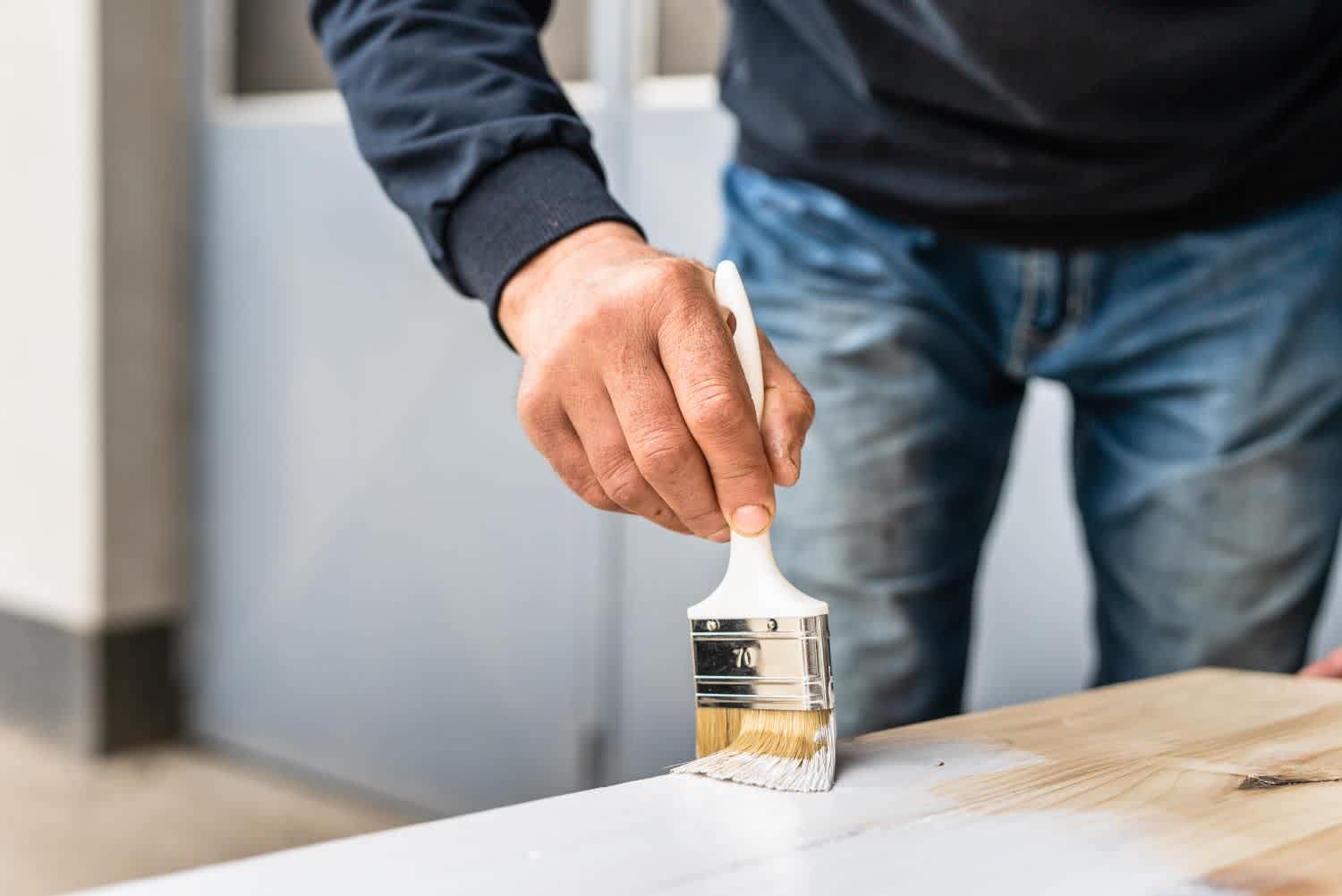
Cleaning the latex paint from your brushes is the easiest part of the entire painting process when you have the right tools and techniques. Find out how to clean your brushes like a professional painter with these three simple tips.