"Large amount of work was needed, and job is about 80% complete. Hard workers that want to do a great job. Very courteous and professional when discussing details. They were willing to rent special equipment to get the work finished."
Nelson & Sons Yard Services is committed to excellence in every aspect of our business.
\nWe uphold a standard of integrity bound by fairness, honesty, and personal
\nresponsibility. Our distinction is the quality of service we bring to our customers.
\nAccurate knowledge of our trade combined with ability is what makes us true
\nprofessionals. Above all, we are watchful of our customers' interests and make
\ntheir concerns the basis of our business.
Larry's Handyman is locally owned and operated in Lake Andes. We are a full service handyman business with over 18 years in the home improvement trade. We are honest, reliable, and very professional. For a free quote, for all of your handyman needs, please call us today!
David Ferguson's construction business is dedicated to quality and outstanding customer service. Our job is to provide you with quality service at a great price. Please don't wait call us today.
In most cases, leaving tree roots underground is not a problem if the stump has been removed or ground below the soil. However, some larger roots may decompose, leaving dents in your soil. Additionally, some aggressive trees, including willows, oaks, elms, maples, and poplars may grow back from roots. Large aggressive trees with established root systems are more likely to grow back.
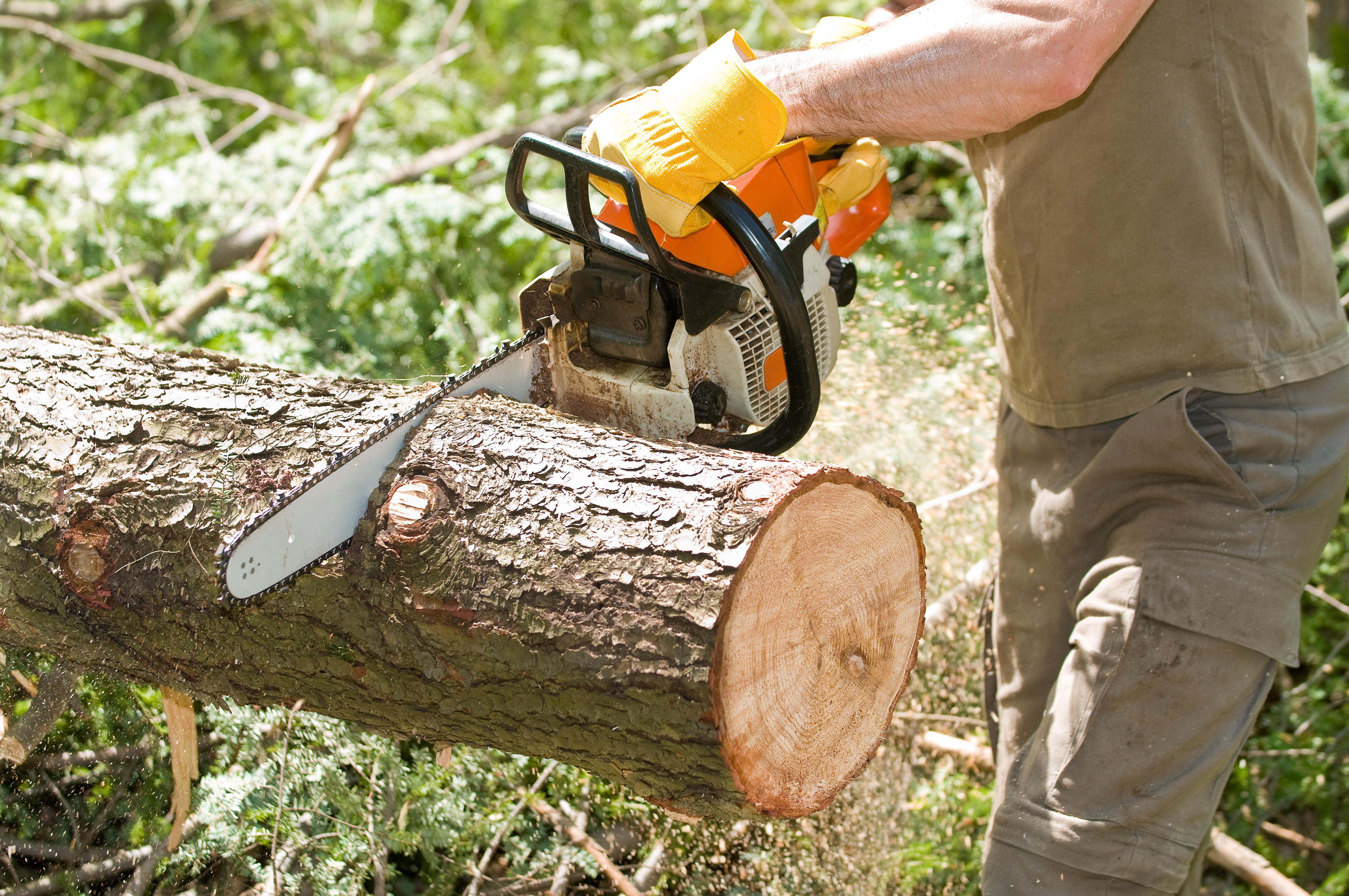
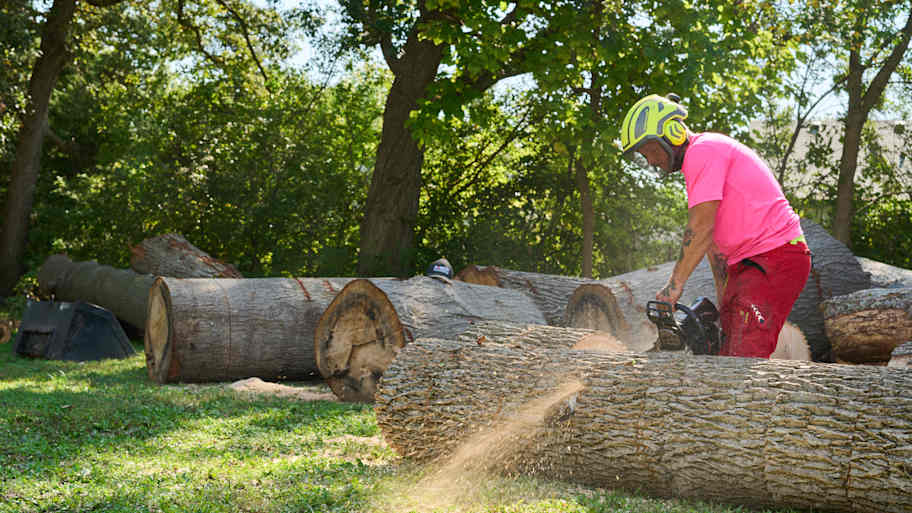
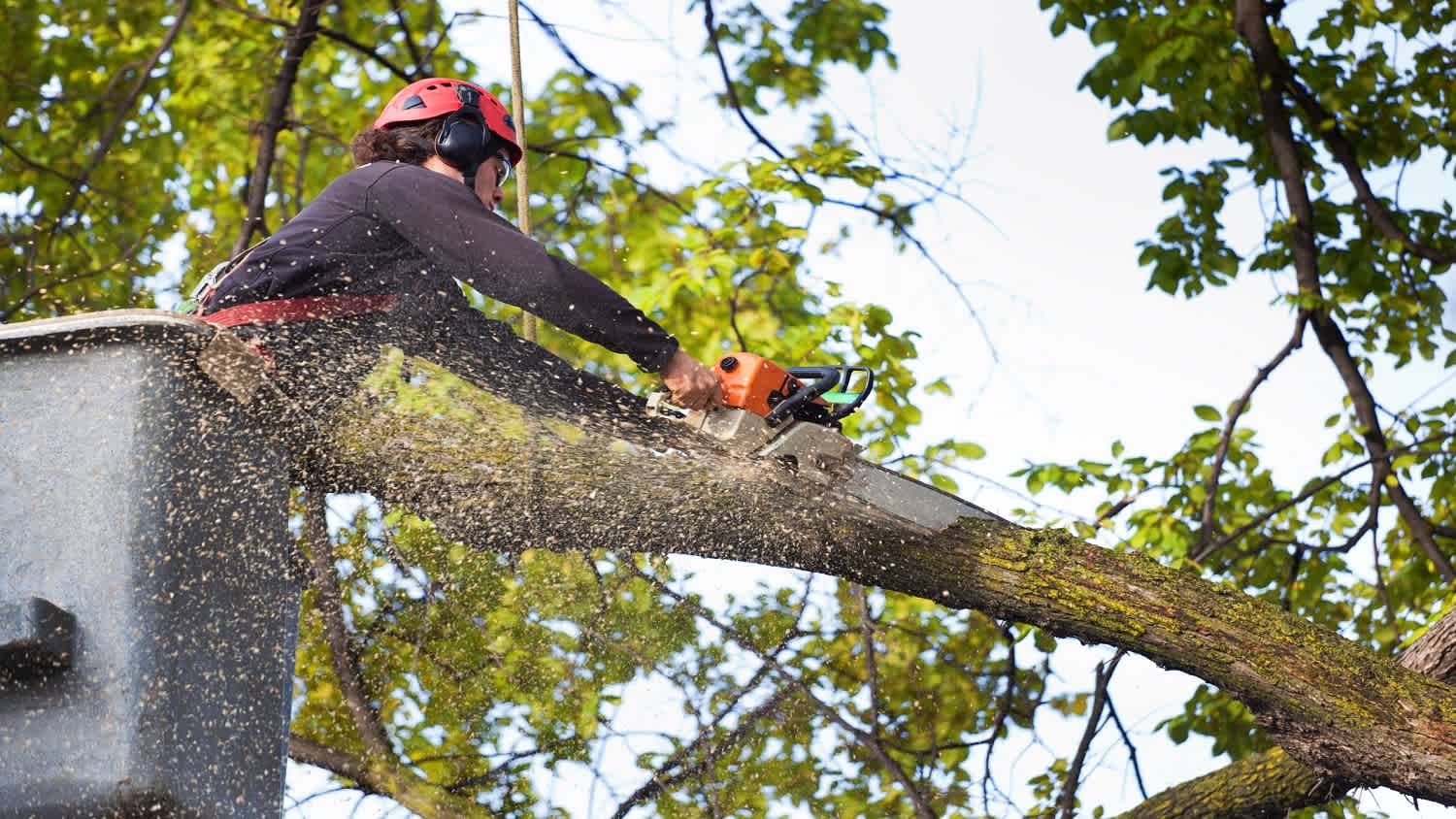
A chainsaw is the best tool to cut down a tree, but you may also use a handsaw or ax. You may also want to use a lopper or pole saw to remove limbs before cutting down the tree. Wear chainsaw chaps and protective gear, including eyewear and earplugs if you use a chainsaw. Again, if you’re unsure about how to use this tool, this project may be one to skip.
You’ll have to balance up the cost, the value of the tree (sentimental or otherwise), and the risk factors. An experienced arborist will help you understand whether transplanting is likely to be successful. The cost and hassle of transplanting a large, well-established tree are often not worth it, especially if the species is fast-growing and easy to source. The decision depends on the age and species of the tree, the conditions in the new site location, and how careful the company is when digging out and moving the tree.
If you aren’t sure what you’re doing, be very careful when cutting mature tree roots (roots larger than 2 inches). Root cutting and pruning can affect both a tree’s stability and its ability to nourish itself. Issues during root cutting can result in damage or injury.
It’s recommended you call in a pro to help, unless it’s a very small tree and you aren’t worried about the prospect of losing the tree.
You can use a chainsaw, but it won’t remove the entire stump or root ball and is not a recommended method. It takes quite a bit of physical work to achieve and will likely dull or ruin your chainsaw. Instead, consider using salt, herbicide, light deprivation, boiling water, stump grinding, or burning to kill a tree stump. These methods allow you to kill a stump using minimal machinery and physical exertion.
The Fort Thompson, SD homeowners’ guide to tree services
From average costs to expert advice, get all the answers you need to get your job done.
Tree inspections can ensure your trees stay healthy and safe, preventing costly damage. Learn how much tree inspections cost and what can affect the price.
How much does an arborist cost? This guide explains the cost of different services, ongoing expenses, and other factors to consider when hiring an arborist.
Follow these tips to learn how to find a good tree removal service. Doing a little research can help you save time and money when you need to say goodbye to your trees.
You suspect that the leaning oak tree in the back needs to come down, but can you just handle it yourself? Here are the pros and cons of calling a tree service.