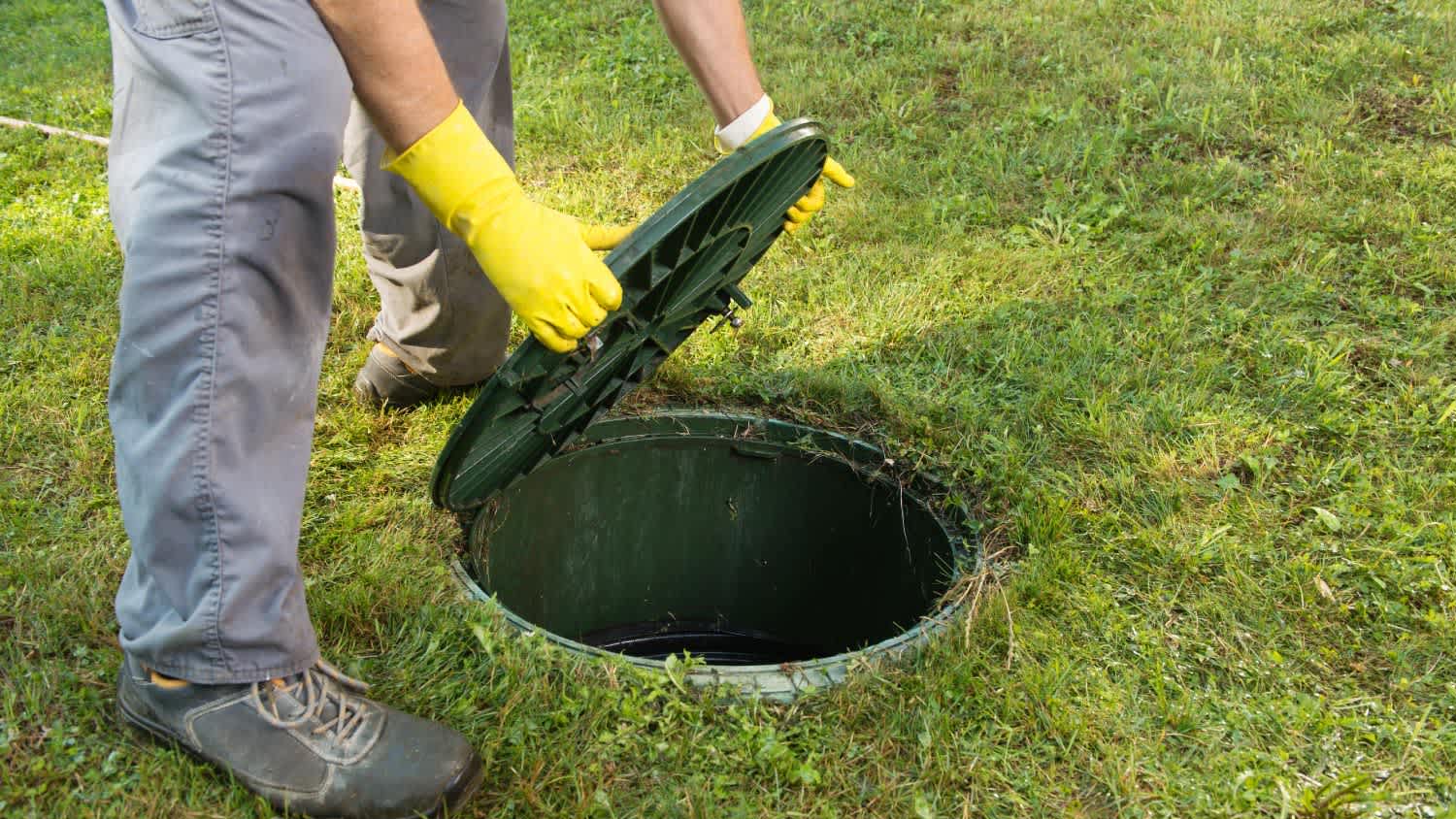




Top-rated percolation testing pros.

Get matched with top percolation testing pros in Menno, SD

Enter your zip and get matched with up to 5 pros

Need a pro for your percolation testing project in Menno, SD?

Select your specific project to find the pro for you.

Find Percolation testing pros in Menno

No results for Percolation testing pro in

Try adjusting your search criteria.
Percolation Tests questions, answered by experts

Whether or not to buy a home containing asbestos is ultimately a decision for the homebuyer, and there are several things to consider. When in good condition and contained, asbestos is unlikely to present a health risk—it’s when those tiny fibers are loose and airborne that they become a problem. Consider any renovations you plan on doing to the home that could disturb existing asbestos and the cost of removal. If an inspection finds asbestos in a home on the market, you could negotiate with the seller for a lower price, though this isn’t a sure thing.

Although the use of asbestos has declined since the 1980s, it remains in several different types of building construction materials for insulation and as a fire retardant. Typically, asbestos can be found in materials such as ceiling and floor tiles, heat-resistant fabrics and coatings, and roof shingles. You may also find asbestos in textured paint and patching compounds.

Asbestos can be found in many building materials, especially if the materials were installed more than 20 years ago. Asbestos-containing materials (ACM) can include:

  • Acoustic ceiling tiles

  • Furnace insulation

  • Home appliances

  • Fire-retardant clothing

  • Cement pipe

  • Pipe insulation

  • Wall and ceiling insulation

  • Vehicle brake pads

  • Vinyl flooring

  • Sprayed acoustic ceilings

  • Stove insulation

  • Patching compounds

  • Textured paints

  • Roofing shingles

  • Siding

Most manufacturers stopped putting asbestos in linoleum before 1980 due to public concerns about its toxicity. However, the Environmental Protection Agency (EPA) didn’t ban asbestos-containing products until 1989, and a comprehensive ban was not announced until 2024. This means that homes built after 1989 may still have asbestos in their flooring.

Unlike some home problems, such as water damage or pest infestations, asbestos can be very difficult to spot. Asbestos is a mineral in the form of microscopic fibers and was previously used in building materials for its bonding and fireproofing abilities. Insulation, roof shingles, ceiling tiles, floor tiles, pipe wrappings, soundproofing materials, and textured paint features like popcorn ceilings are common sources of asbestos, particularly in homes built before 1980.

Age is perhaps the biggest indicator of asbestos, as legislation passed in the 1970s labeled asbestos as dangerous and regulated its use in building materials. Signs of age in the form of wear and tear or material degradation are also indicators that asbestos fibers may be leaking into the air, but ultimately, it’s difficult to detect with the naked eye. If you have reason to suspect asbestos in your home, it’s best to hire a certified asbestos inspector.

The Menno, SD homeowners’ guide to percolation testing services

From average costs to expert advice, get all the answers you need to get your job done.