

Top-rated radon detection and reduction specialists.

Get matched with top radon detection and reduction specialists in Menno, SD

Enter your zip and get matched with up to 5 pros

Need a pro for your radon detection and reduction project in Menno, SD?

Select your specific project to find the pro for you.

Find Radon detection and reduction specialists in Menno

Radon Detection and Reduction questions, answered by experts

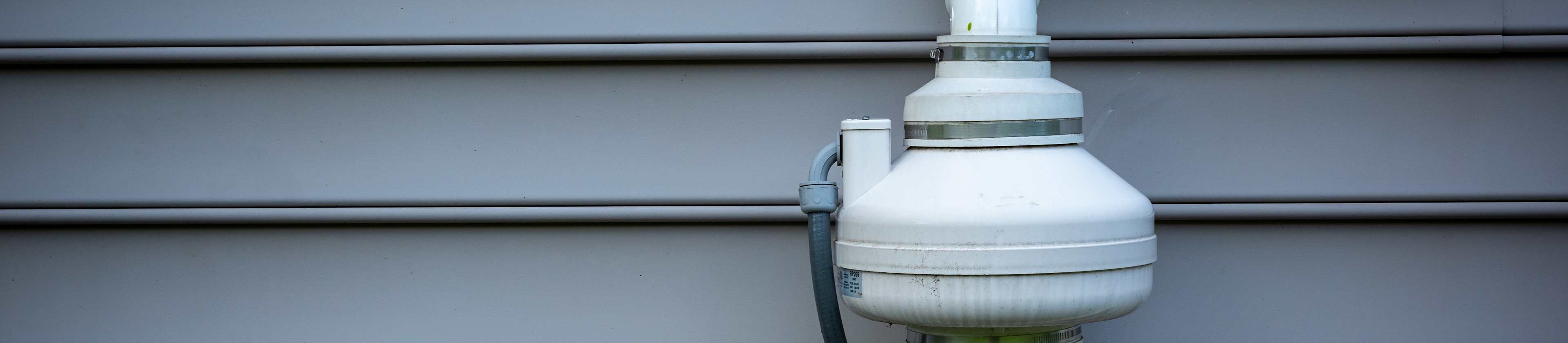
Your radon mitigation system may be loud because it’s time to replace it. Any sounds are usually from the inline fan that helps create the vacuum and resulting airflow. If you hear a new, loud mechanical or humming noise from your radon fan, it might be time to replace it. Most fans used in radon mitigation systems last up to 10 years, but may need to be replaced sooner.

Ideally, no one will live in a house with elevated radon levels, as prolonged exposure increases the risk of serious health issues like lung cancer. However, homes with radon can be made safe through mitigation systems, such as active soil depressurization. Testing for radon regularly and addressing high levels helps ensure a safe living environment.

If high radon levels are detected, steps include sealing entry points, installing a mitigation system, and retesting the air regularly to ensure reduced levels.

No level of radon is technically safe, but since it is naturally present everywhere, it is impossible to avoid entirely. The average radon level in homes across the United States is 1.3 picocuries per liter (pCi/L). The Environmental Protection Agency (EPA) recommends taking action to reduce radon levels if your home's test results are between 2 and 4 pCi/L or higher.

Mitigation can take several days depending on home setup, equipment accessibility, and achieving effective diffusion system sealed efficiency.

The Menno, SD homeowners’ guide to radon detection and reduction services

From average costs to expert advice, get all the answers you need to get your job done.