David Ferguson's construction business is dedicated to quality and outstanding customer service. Our job is to provide you with quality service at a great price. Please don't wait call us today.
With over 5 years of experience in the masonry industry, we are the experts you need to take care of your home or business. We will treat your home as we would treat our own. Give Ruble Handywork a call today, we look forward to working with you!\n
Fire Pit Installation questions, answered by experts
You can install your own fire door, but since it’s a safety measure in your home (and often the only way to passively slow down a fire), you should rely on professional door installers. These contractors know exactly what to do and how to do it, and in our opinion, their costs are worth every penny.
The most common causes of kitchen fires are leaving cooking food unattended, frying food with excessive amounts of oil, and leaving flammable objects near the stovetop.
Yes, a faulty or broken light switch can be a serious fire hazard. Malfunctioning switches, often due to loose connections, exposed wiring, or overheating, can cause sparking or arcing. If you hear a crackling, popping, or hissing sound when you use the switch, it indicates live electricity arcing inside, which is a significant hazard that can ignite nearby flammable materials. If you suspect your light switch is faulty, turn off the power to that circuit at the breaker and contact a qualified electrician to remedy the issue.
To ensure the safety and longevity of your pre-fabricated fireplace, perform regular maintenance. This includes regular cleaning, checking the unit for cracks, and ensuring the venting and ventilation systems are clear and functioning properly. Additionally, scheduling professional inspections helps ensure safe operation.
Yes, a chimney damper is necessary. It controls airflow in and out of your fireplace, helping to retain heat when closed and allowing smoke to escape when open. Without a damper, your home could lose warmth during cold months, leading to higher energy bills. It also helps prevent downdrafts and keeps animals or debris from entering the chimney. In short, it’s essential for efficiency and safety.
The Menno, SD homeowners’ guide to fire pit installation services
From average costs to expert advice, get all the answers you need to get your job done.
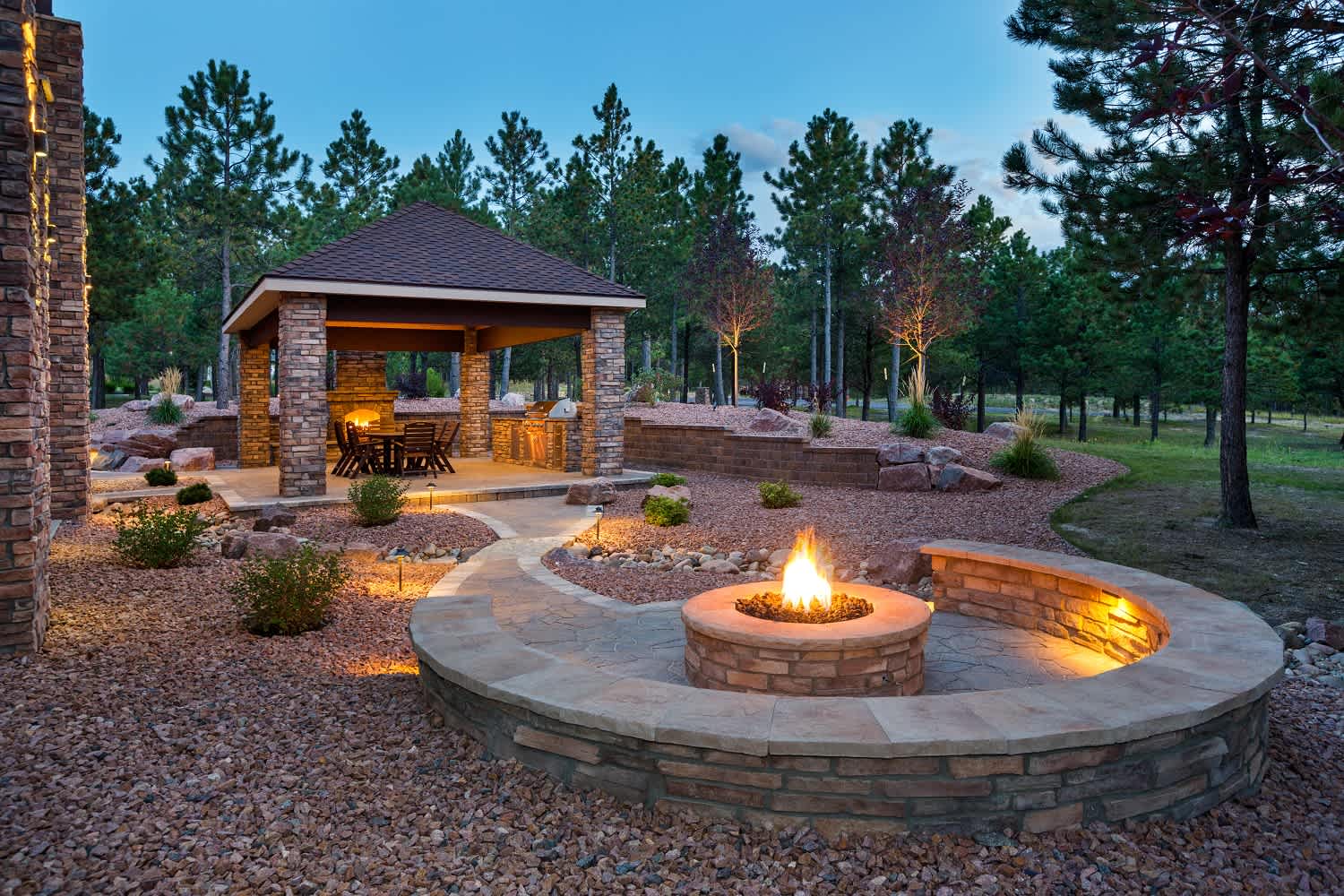
A fire pit installation costs $850 on average but can vary by size, fuel type, materials, and more. See how much you need to budget for a new fire pit.
Discover fire door cost data, including installation, materials, and tips to save. Learn what impacts fire door pricing and how to budget for your project.
Discover home fire sprinkler system costs, including installation, maintenance, and key cost factors. Learn how to budget and save on your home fire protection.
A fire pit adds attractive entertainment space to your backyard. Learn about standard fire pit dimensions and what factors contribute to fire pit size.
If you’re interested in buying a fire pit, you will likely be considering gas or wood. But what are the pros and cons of each? Find out if a gas or wood fire pit is right for you.