"The technician emptied the freezer, which was in the basement, to work on the part that needed repair. Then he neglected to put anything back into the freezer, including a turkey I had bought for Christmas and a rack of ribs. Two days after he left, I went out of town for two weeks. The turkey actually exploded and spewed its liquid all over everything, which had to be discarded. I let AHS know and they couldn't even bother to call me or follow up on this. I'm considering not renewing my contract with them because of the quality (or lack thereof) of many of the providers they send."
Yes, a bigger well pump can increase water pressure—up to a point. If you currently have a well pump of 8 GPM, you might notice a pressure boost when you go up to 10 GPM. However, overshooting significantly (going up to 15 GPM for an 8 GPM home) can strain your well system and result in things like burst pipes that can decrease your water pressure and make for costly repairs.
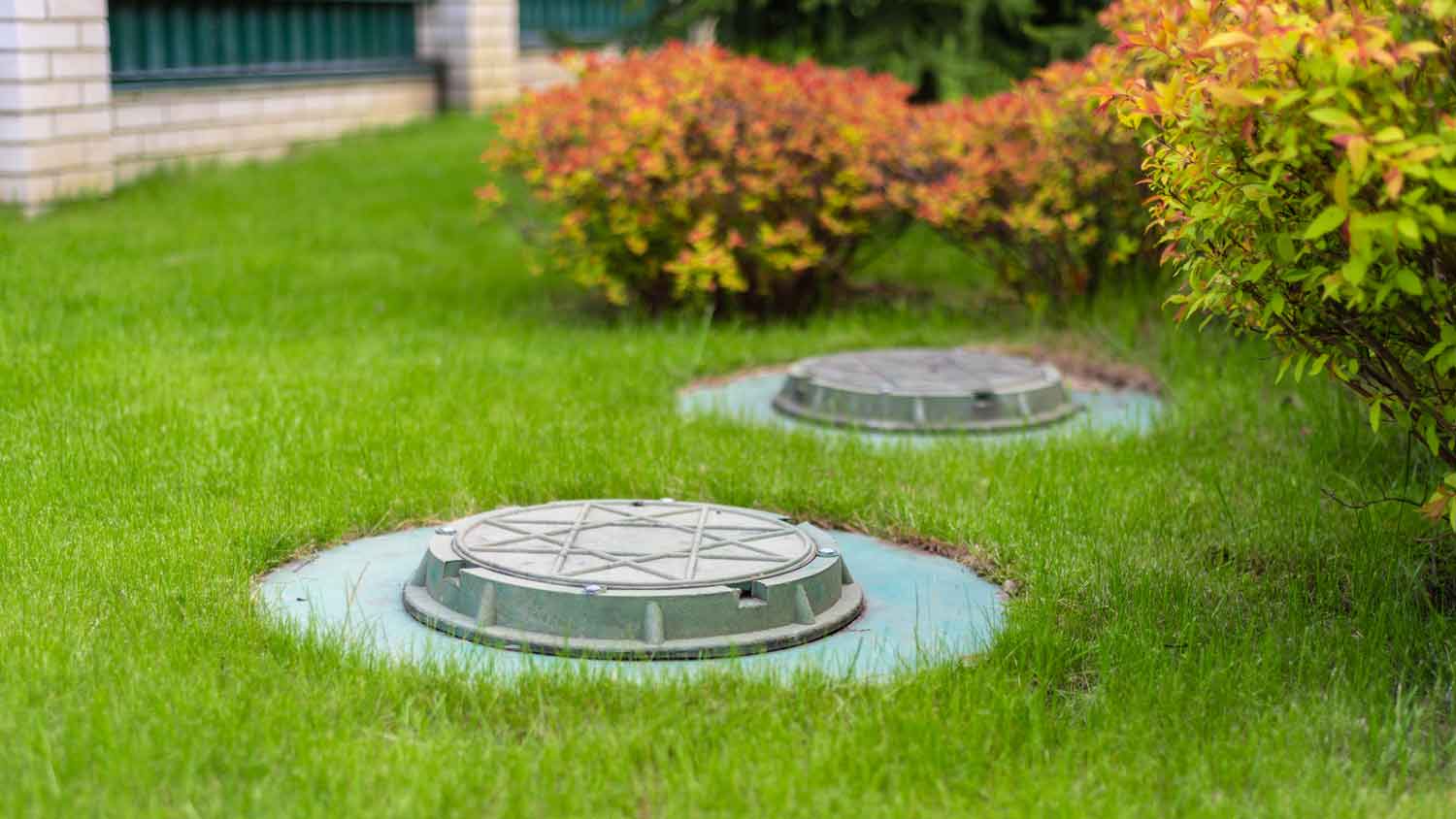
Septic tanks and cesspits are both types of sewage and wastewater systems, but they differ in key ways. The main difference between the two systems is that septic tanks separate sewage from wastewater and allow the latter to flow into a drainage field to filter and disperse into the soil. Cesspits don’t have outlets and instead, store sewage until it needs to be pumped by a professional.
Your septic tank naturally contains the good bacteria it needs, so you typically don't have to add more as the system produces them on its own. However, if you wish to replenish the bacteria, you can use natural methods. For example, you can add three rotten tomatoes to your garbage disposal or flush 1/4 ounce of active yeast down the toilet every three months. While store-bought septic enzymes and chemicals are available, many additives are unnecessary and may even harm your system. The most effective way to maintain a healthy bacterial balance is to avoid using chemical drain cleaners, which can kill the beneficial bacteria in your tank.
When considering the price of drilling a well, factor in how much you’ll save in water costs per year. The average family of four uses 100 gallons of water per person per day in the U.S. With a private water well, you can save hundreds each year.
Wells are also environmentally friendly. You don’t need to worry about drinking water treated with chemicals. Talk to at least three well pump contractors in your area. They’ll be able to tell you more about your options, give you different quotes, and discuss the biggest concerns.
Most deep wells can be expected to last somewhere between 30 and 50 years. This assumes that the well and all of its components are properly maintained on a regular basis. During this time, it is unlikely that modern deep wells will run dry over the course of their typical lifespan. That is one of the biggest benefits of digging a deeper well.
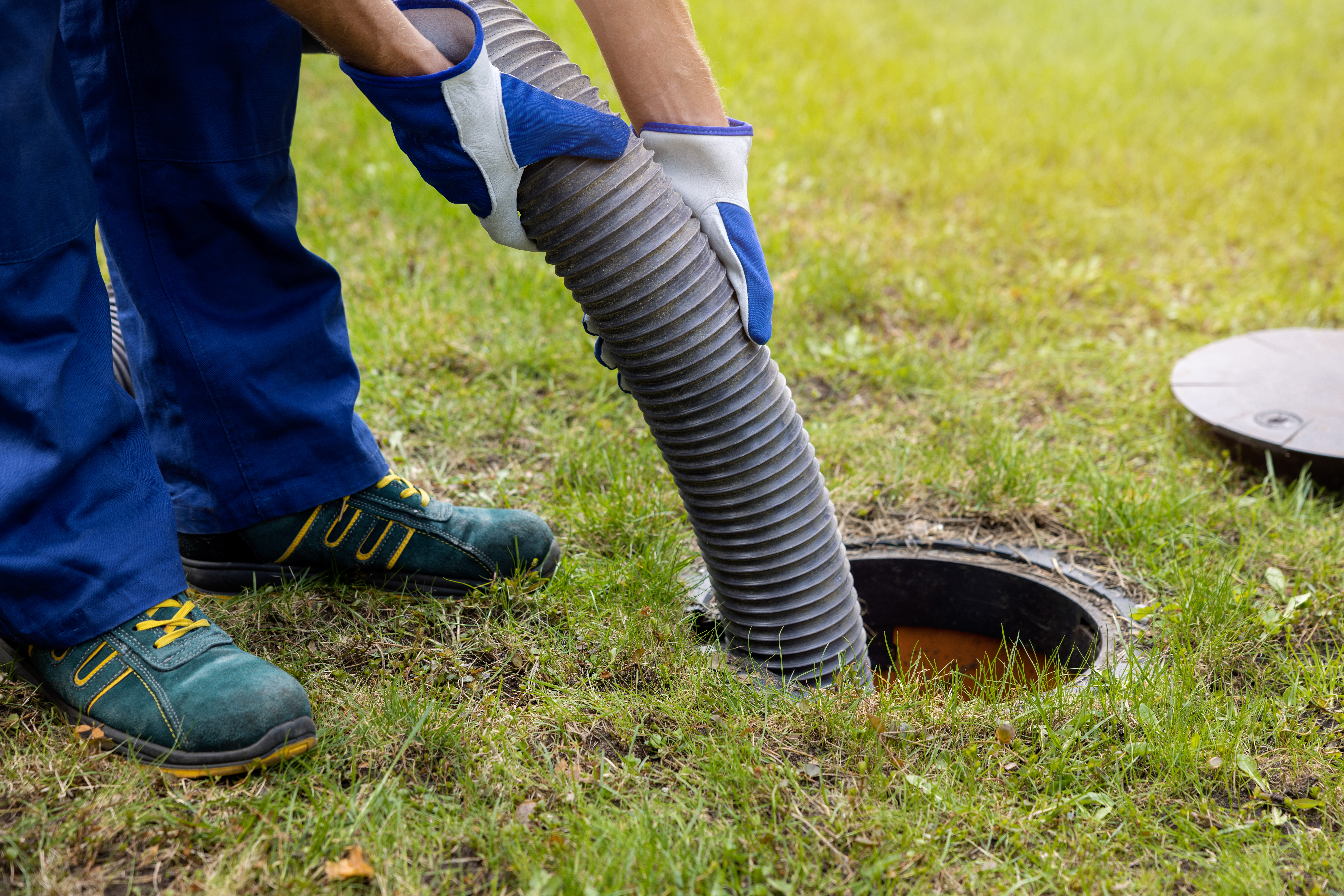
The Lemmon, SD homeowners’ guide to septic tank services
From average costs to expert advice, get all the answers you need to get your job done.
It’s crucial to install a septic tank with the right volume to avoid wastewater backups. This guide will help you calculate the right septic tank volume.
Septic tank sizes vary depending on the size of your home, how many people live there, how much water you use, and more. Read on to learn how to determine the right size for you.