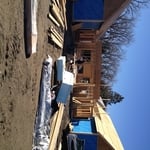
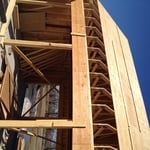
"⭐⭐⭐⭐⭐ Had Draxen Construction out to take care of our roof in Bismarck, and they did an excellent job. The crew showed up ready to work, communicated throughout the project, and paid attention to the little details. Everything was done professionally, and they made sure the property was cleaned up before leaving. It’s hard to find contractors who take pride in their work, but Draxen definitely delivered. Highly recommend them for roofing work in the Bismarck area!"
We are a locally owned and operated company that values honesty, integrity and treats your home as if it were our own. We offer a variety of general contractor services that are customizable to each individual project. You will find us to be competitively priced, paying close attention to the details of each and every project that we are involved with. We look forward to building lasting relationships and guarantee your satisfaction!
"Their work was very good, so good that I kept adding more work for them to do. They were kind and courteous and strived to achieve the best possible work. Their work ethic and price were exceptionaly honest and fair. If I have more work in the future I will definitely hire them again."
David Ferguson's construction business is dedicated to quality and outstanding customer service. Our job is to provide you with quality service at a great price. Please don't wait call us today.
Enhanced Basements foundation repair offers reliable and affordable foundation repair solutions. Our dedicated team is committed to providing high-quality services to address various foundation issues. We take pride in our work and strive to ensure the safety and stability of your property.
We have a single mission: Complete Customer Satisfaction! We have consistently focused on the needs of our customers, providing personalized attention and a stress-free experience.
\nYou will find us to be competitively priced with close attention to the details.
\nOur reputation is based on service, safety, and quality, regardless of how large or small the job.
\nWe look forward to building a lasting relationship and guarantee your satisfaction!
\n
we take great pride in our experience, expertise, quality and customer service that we provide to meet the consumer's needs. It is our mission to provide excellent workmanship and complete customer satisfaction from start to completion of a project. In order to understand the needs and expectations of our customers, we take great care to work and communicate with every customer in a professional manner. Our reputation is based on service, safety and quality, regardless of how large or small the job
We are a locally owned and operated company. We value honesty and integrity in all aspects of our business. We offer a variety of home improvement services that are customized to each individual project. We pride ourselves on the quality of our work, as well as our commitment to outstanding results. We look forward to building lasting relationships with our clients and guarantee your satisfaction!
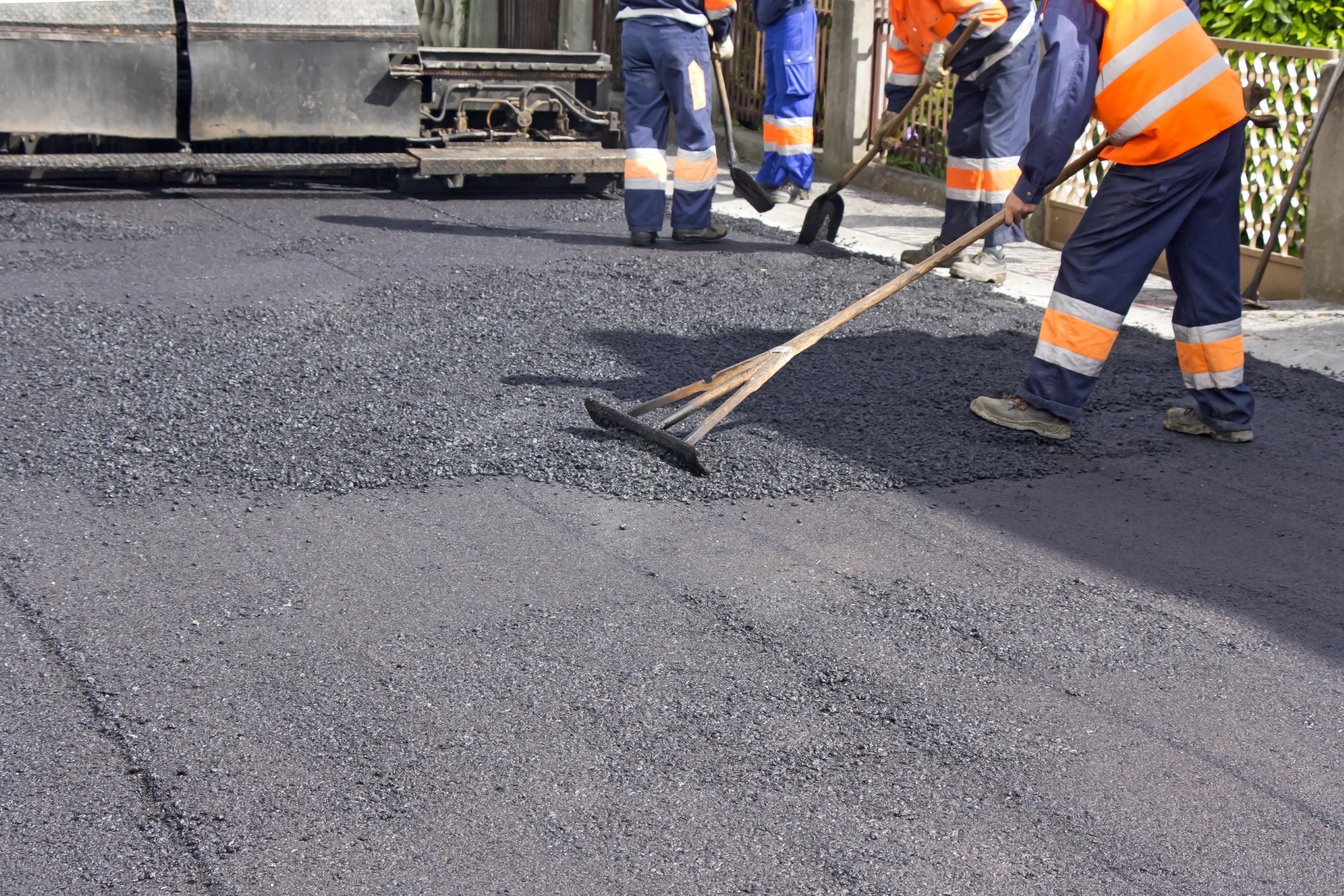
Common alternatives to a gravel driveway include concrete, asphalt, brick, stone pavers, and permeable pavers. Concrete and asphalt are generally the most affordable options. However, concrete can be prone to cracking in cold climates, while asphalt may soften in areas with high heat and direct sun exposure. For enhanced curb appeal, brick, stone, and permeable pavers are popular choices, though their installation can be more expensive due to intricate designs. Stone pavers offer a natural look and are sometimes installed with gravel around them. Both permeable pavers and brick driveways provide excellent drainage, which helps prevent flooding and reduce water runoff.
Regular sealing, crack filling, and professional inspections help extend pavement lifespan and prevent costly repairs.
An ideal driveway gradient is between 2% and 5%. Anything lower than 1% or higher than 15% can cause problems for your car or property. A driveway with less than a 1% slope increases your likelihood of flooding and water damage, while a driveway with a 15% grade or higher can be too steep for safe traveling.
Professionals ensure a solid base and smooth finish, enhancing durability and appearance.
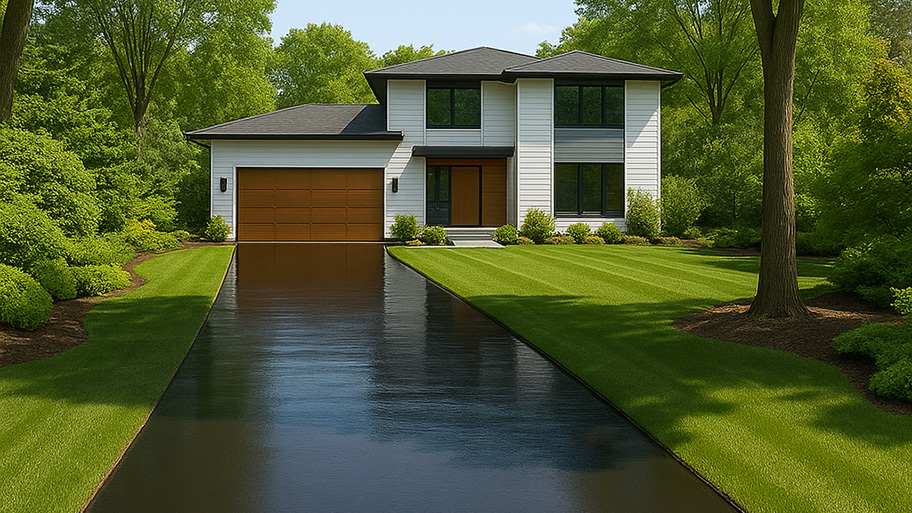
While blacktop is a type of asphalt, the terms should not be used interchangeably, as not all asphalt qualifies as blacktop. The primary differences are in their composition, production process, and ideal applications. Blacktop contains more stone than other types of asphalt and is heated to a higher temperature during production—300°F or more—while hot-mix asphalt is heated to between 275°F and 300°F. The ratio of bitumen (a tar-like crude oil) is a key differentiator, though sources vary: some state blacktop has less bitumen, making it less durable, while others claim it has a higher ratio. Due to these differences, asphalt is generally more durable and better for high-traffic areas like highways and streets, while blacktop is more suitable for playgrounds and residential driveways. For a driveway project, it is best to consult a professional to determine the most appropriate material.
The Lemmon, SD homeowners’ guide to asphalt driveway services
From average costs to expert advice, get all the answers you need to get your job done.
Adding a new asphalt driveway to your home can boost its overall appearance and give homeowners a nice ROI down the line. But how long do asphalt driveways last, and what can you do to maximize their lifespans? Read this guide to find out.