"The technician emptied the freezer, which was in the basement, to work on the part that needed repair. Then he neglected to put anything back into the freezer, including a turkey I had bought for Christmas and a rack of ribs. Two days after he left, I went out of town for two weeks. The turkey actually exploded and spewed its liquid all over everything, which had to be discarded. I let AHS know and they couldn't even bother to call me or follow up on this. I'm considering not renewing my contract with them because of the quality (or lack thereof) of many of the providers they send."
With over 40 years of experience in the Excavation industry, Helm Excavating INC is your industry expert in Bismarck and the surrounding areas. We pride ourselves on our extreme professionalism and attention to detail. Our customer satisfaction guarantee will assure you we will not leave your property until you are completely satisfied with our work. As a family owned and operated business you can trust that we will treat your home as we would treat our own. Give us a call today we look forward to working with you!
Here at W. Simpson Plumbing Services, LLC, we are a full service plumbing company for both residential and commercial. We are local, family owned and operated, and have a strong focus on customer service. We are fully licensed and ready to take on as much work as possible. Call us today for your free estimate. We look forward to meeting your home's needs.
Septic tanks come in multiple shapes, sizes, and materials. However, they’re often round or rectangular in shape and made from concrete, fiberglass, or plastic. There’s a range of septic tank sizes, with the average model measuring 30 to 40 square feet and holding 1,000 to 1,500 gallons of waste.
A septic tank with a 1,500-gallon capacity is good for larger homes with up to 6 or 7 bedrooms. The average home can go with a smaller tank, about 1,000 gallons, which supports a home size of up to 2,500 square feet, or a home with about three bedrooms.
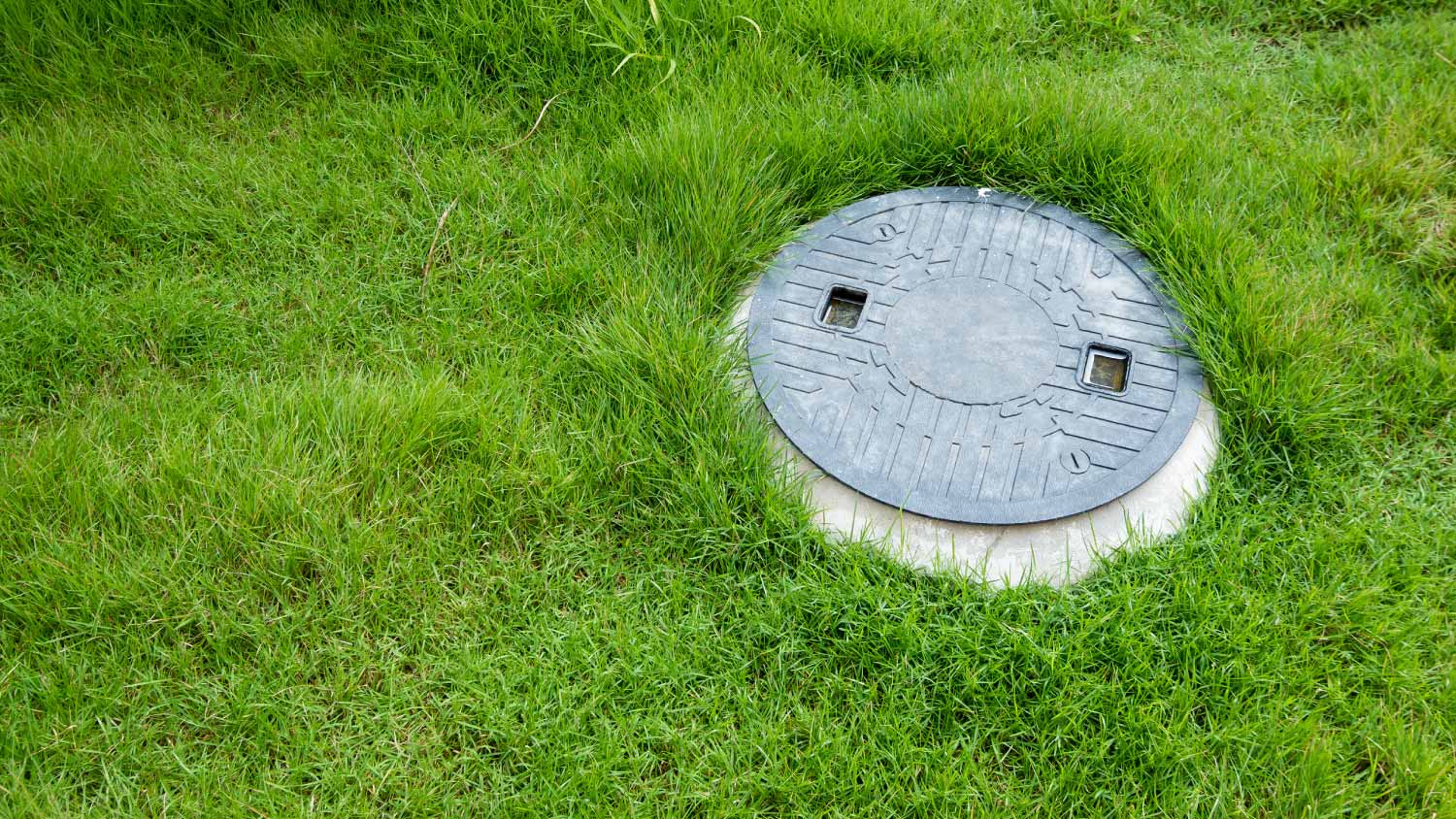
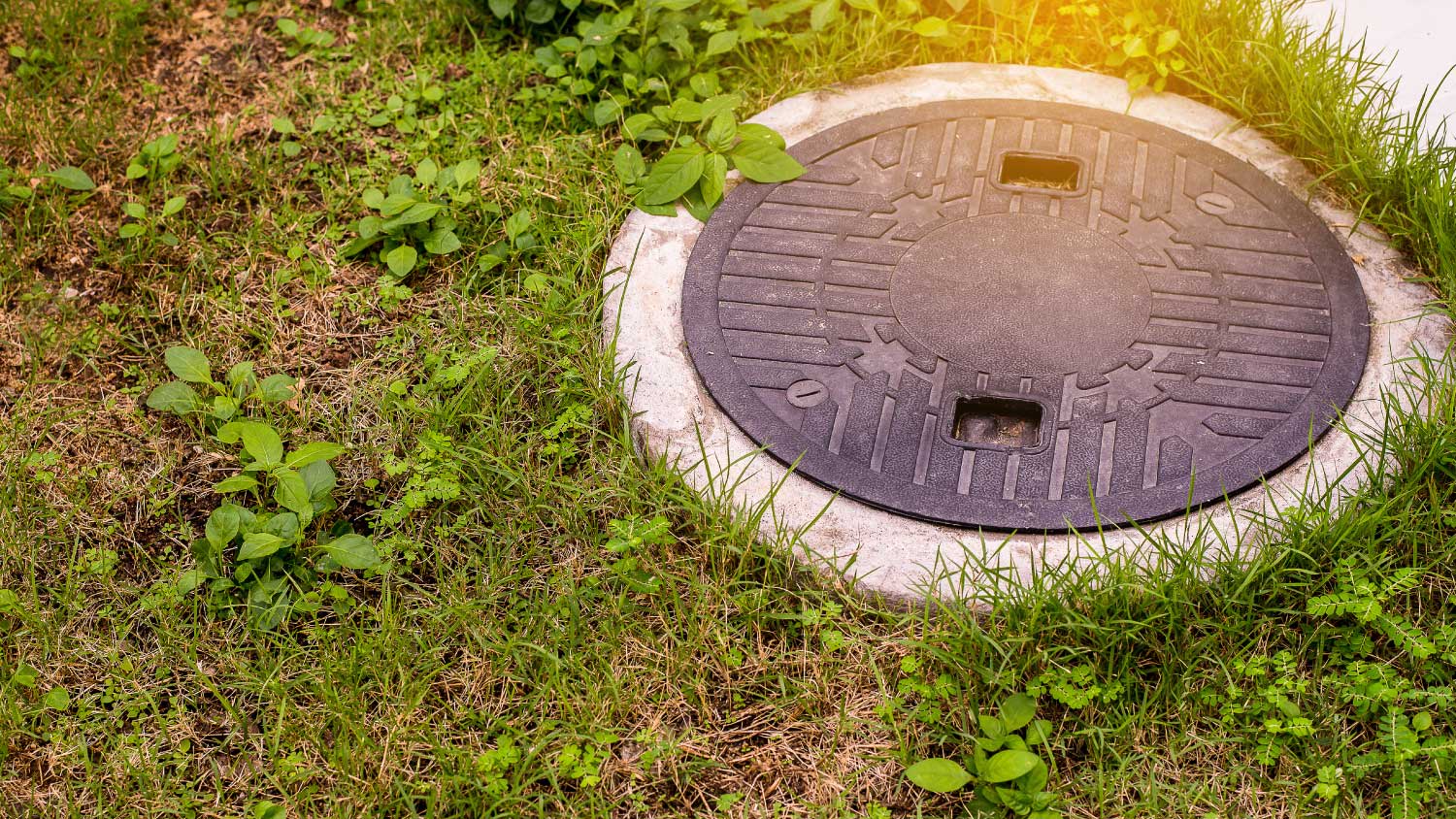
A septic tank riser features a base ring that you need to install flush to the opening of the septic tank. After thoroughly cleaning the opening of the tank, fit the base ring over the opening and use a butyl sealant rope to create an airtight seal with the tank’s rim. Cut the riser rings to the appropriate height and stack them on the base ring. Then, install the riser lid. This task might be taken on by an experienced DIYer, but you should always call a septic tank professional if you are unsure of your skills.
Unfortunately, yes. If your well pump continues working when the flow of water is completely blocked, the motor will burn up. The energy has nowhere to go, thanks to the blockage, so it turns inward. The end result? A ruined well pump and a depleted bank account (once you shop for a replacement.)
On average, you should call a pro to pump your cesspool once per year. If you have a larger home with a lot of family members, you may need to pump more (up to six times per year). On the flip side, if you’re talking about a cesspool for a home you don’t use much or if you’re the only occupant in a home, you won’t have to pump nearly as much.
The Hettinger, ND homeowners’ guide to septic tank services
From average costs to expert advice, get all the answers you need to get your job done.
Caring for your septic system is crucial to ensuring its long life. But how much does it cost to pump a septic tank? We explore the different cost factors.
A damaged septic system can leak odors and sewage, so repairs are urgent. Find out how much septic tank repair costs based on repair type, tank size, and more.
Septic tank risers make it easy to access your septic tank when it’s time for routine inspection, maintenance, and pumping, saving you precious time and labor costs.
Septic tank sizes vary depending on the size of your home, how many people live there, how much water you use, and more. Read on to learn how to determine the right size for you.