Top-rated mattress cleaning pros.

Get matched with top mattress cleaning pros in Kyle, SD

Enter your zip and get matched with up to 5 pros

Need a pro for your mattress cleaning project in Kyle, SD?

Select your specific project to find the pro for you.

Find Mattress cleaning pros in Kyle

Avatar for PREMIER SUEDE/LEATHER & SPECIALTY CLEANERS
PREMIER SUEDE/LEATHER & SPECIALTY CLEANERS
4.5(
52
)
Upholstery and Furniture - Clean

Serving Kyle, SD and surrounding areas

In business since 1984

Free estimates

Credit card accepted

"When no one locally even responded to my inquiries for a quote, Michelle got back to me the same day with a quote and description of how the repair would be done. It's a slight downside to have to ship one glove coast to coast for a minor repair on one finger. But the cost of shipping and the repair is much less than purchasing another $100 pair of gloves! The repair took a little longer than anticipated, but shipping time had to be factored in as well. Michelle was very prompt with communications during the process. Cost of service below did not include shipping which was about $16 round trip. The glove returned good as new...well as good as it's pair. The glove is two years old. But the seam was totally resewn and reinforced. Michelle stated she did not want to the issue to happen again. I hope it won't. The problem started with my fingers rubbing. Very happy with the service from Premier. I wish they had a shop in Maryland!"
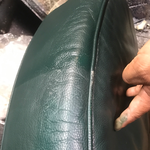
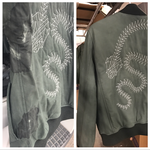
Additional Photos
Additional Photos
Additional Photos
Recommended by97%of homeowners

Mattress Cleaning questions, answered by experts

Risks include slipping, shingle damage, or chemical misuse. Professionals ensure safety and proper procedures to minimize these hazards.

You should avoid using a pressure washer on any surface or item that could be damaged by the high-pressure spray, as some materials are too delicate to withstand the force.

Key items and surfaces to avoid include:

  • Electrical Components: Never pressure wash electrical systems, as water can cause short-circuits and create a safety hazard. This includes utility meters, breaker boxes, electrical outlets, generators, and HVAC or air conditioner units.

  • Delicate and Fragile Materials: Fragile items can crack, shatter, or be stripped by the pressure. Avoid pressure washing windows, glass, light fixtures, shingled roofs (especially asphalt), and stucco.

  • Painted, Stained, or Sealed Surfaces: Unless your goal is to strip the finish, do not pressure wash painted surfaces, stained wood (like decks), or anything with a protective seal that could be stripped away. Be especially cautious with older surfaces that may contain lead paint.

  • Soft Woods and Certain Decking: Delicate surfaces like softwood, composite decking, and antique or wooden patio furniture can be etched or damaged. If you must wash wood, use a lower-powered pressure washer with a wide-angle nozzle to prevent damage.

  • Living Things: Never use a pressure washer on people, pets, or plants. The force can cause serious injury and will destroy landscaping.

Clean the outside of your home at least once a year. If you live in an area with salty sea air, high levels of pollen, or an abundance of leaves in the fall, it's helpful to wash it at least two times a year. Frequent cleanings will allow you to remove debris and pests before they flourish into infestations, or cause mold and mildew.

You should not clean roof shingles if the roof has damage like missing shingles or low spots where water may accumulate. You should focus on repairing the roof before any cleaning process occurs. If you notice roof damage as you’re climbing on the roof to clean it, stop immediately. Call a roofing pro to make repairs. Cleaning a roof that has damage could lead to pooling water or water damage to the roof decking. The roof cleaning process removes mold and mildew, making the roof look better. It is not going to fix physical damage, though.

Tile roofs, including clay, concrete, and slate, are considered low-maintenance materials that require fewer repairs and less care than many other roofing options.

  • Clay tiles require minimal maintenance. They stand up well to the elements and UV radiation, repel water, and do not easily stain, discolor, or fade in direct sunlight. Clay tiles do not need sealing. Maintenance is typically only required to replace cracked tiles, which can be caused by foot traffic, extreme weather, or fallen tree limbs.

  • Concrete tiles are also low-maintenance but require more upkeep than clay. They need to be sealed every few years to maintain water resistance, and their color tends to fade more quickly than clay.

Aside from these material-specific needs, general maintenance for tile roofs includes annual inspections, routine gutter cleaning, and addressing repairs as they arise. A well-maintained tile roof can provide 50 to 100 years or more of protection for your home.

The Kyle, SD homeowners’ guide to mattress cleaning services

From average costs to expert advice, get all the answers you need to get your job done.