"When no one locally even responded to my inquiries for a quote, Michelle got back to me the same day with a quote and description of how the repair would be done. It's a slight downside to have to ship one glove coast to coast for a minor repair on one finger. But the cost of shipping and the repair is much less than purchasing another $100 pair of gloves! The repair took a little longer than anticipated, but shipping time had to be factored in as well. Michelle was very prompt with communications during the process. Cost of service below did not include shipping which was about $16 round trip. The glove returned good as new...well as good as it's pair. The glove is two years old. But the seam was totally resewn and reinforced. Michelle stated she did not want to the issue to happen again. I hope it won't. The problem started with my fingers rubbing. Very happy with the service from Premier. I wish they had a shop in Maryland!"
To remove pet urine stains and odors from a microfiber couch, first blot the area to absorb as much liquid as possible. Then, generously cover the spot with baking soda and let it sit for a few hours to absorb the odor before vacuuming it up.
For cleaning the stain itself, you can use a commercial urine stain and odor removal spray—be sure to follow the product's instructions.
Alternatively, you can use a DIY solution based on your couch's cleaning code:
For 'S' code couches: Lightly spritz the stain with rubbing alcohol and gently scrub with a microfiber cloth.
For 'W' or 'S-W' code couches: Use a mixture of one cup of vinegar and one cup of rubbing alcohol, spritzing and scrubbing the area gently.
Yes, you can save moldy wood furniture by removing the mold as soon as you notice it. Mold can penetrate and damage porous wood, though, so waiting to clean it could lead to significant damage. If a large coverage area of mold grows over several months, you may want to ask a professional to try to save the piece. If the damage is bad enough, though, even a pro might not be able to save it.
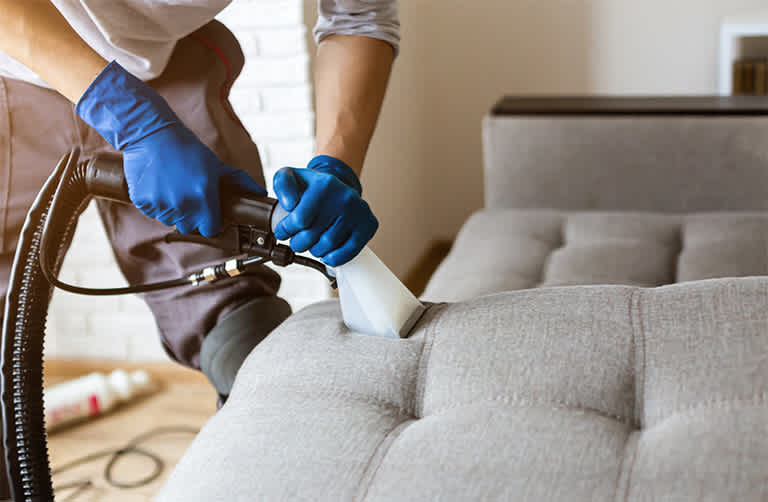
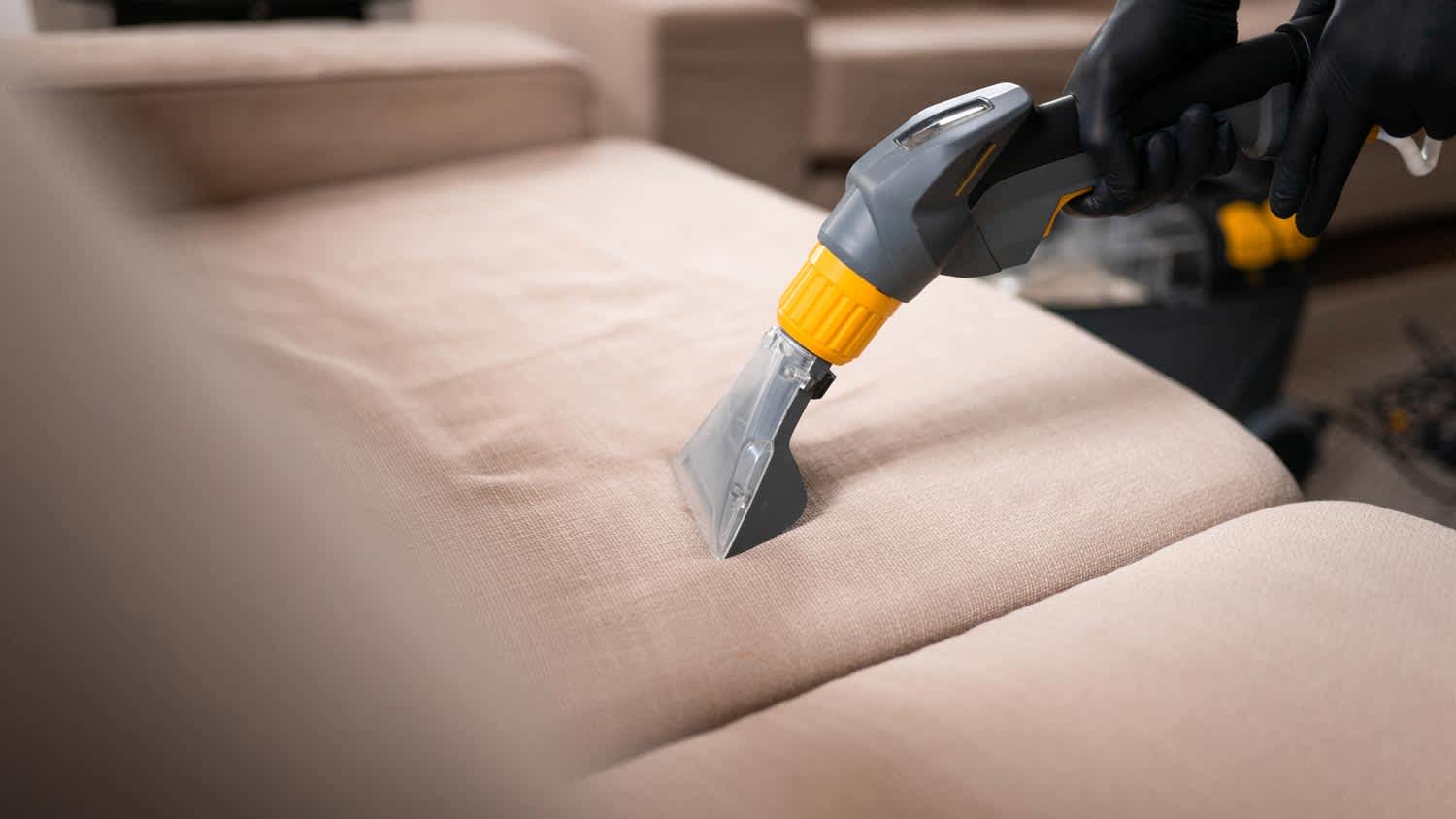
The drying time for a couch or other upholstered furniture after cleaning can range from 1 to 24 hours, with a common estimate being 2 to 8 hours. This duration depends on several factors, including the type of fabric, the cleaning method used (such as steam cleaning or shampooing), the size of the furniture, and the room's temperature and humidity.
To speed up the drying process, you can use fans, a heater, or a dehumidifier, and increase ventilation by opening windows. Rotating the cushions can also help ensure they dry evenly. It is crucial to wait until the furniture is completely dry before sitting on it. Using it while damp can trap moisture, potentially causing mold, mildew, unpleasant odors, dye transfer, or permanent damage to the foam cushions.
No, you shouldn’t let dog diarrhea dry before cleaning it. While cleaning the stain when it's dried sounds less messy, it can cause more harm than good. Old stains have a chance to dry into your carpet, and the smell can go deeper into the fibers. This makes removing old dog poop more of a headache to clean than dealing with diarrhea while it’s fresh.
If your dog has fleas, you should clean your couch and other upholstered furniture immediately. Fleas can lay eggs on furniture, and you can help remove them by regularly and thoroughly vacuuming your couch. Steam cleaning after vacuuming is also essential because the high heat can help kill the eggs and fleas on contact.
The Kyle, SD homeowners’ guide to upholstery cleaning services
From average costs to expert advice, get all the answers you need to get your job done.
Wondering how much it costs to rent an upholstery cleaner? Get prices, cost factors, and money-saving tips for your next DIY upholstery cleaning project.
Mattress cleaning cost depends on the number of mattresses being cleaned and the size of each. Use this guide to better understand mattress cleaning prices.