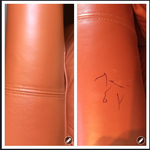
"When no one locally even responded to my inquiries for a quote, Michelle got back to me the same day with a quote and description of how the repair would be done. It's a slight downside to have to ship one glove coast to coast for a minor repair on one finger. But the cost of shipping and the repair is much less than purchasing another $100 pair of gloves! The repair took a little longer than anticipated, but shipping time had to be factored in as well. Michelle was very prompt with communications during the process. Cost of service below did not include shipping which was about $16 round trip. The glove returned good as new...well as good as it's pair. The glove is two years old. But the seam was totally resewn and reinforced. Michelle stated she did not want to the issue to happen again. I hope it won't. The problem started with my fingers rubbing. Very happy with the service from Premier. I wish they had a shop in Maryland!"
"John is friendly, quick, professional, easy to talk to and work with. If you ask him if he can do an odd one time cleaning job of something, such as some wax from a warmer that I spelt all over my wall and floor by accident, he seems more that willing to help with extra unexpected messes if you are having trouble getting them up yourself. I have two dogs and a cat; he is good with animals and with cleaning up the hair they leave around the house and on the furniture. He was good at getting dust off of everything, even places most people don't check like fans, high cabinet tops, and light fixtures; which is really good for me since I have pretty nasty dust allergies. He doesn't leave until he hears that you are satisfied with his work first. The first day he cleaned for me, I left my house to take care of an errand afterwards and when I returned my home smelled so clean! I would definitely recommend him to anyone who is in need of regular house cleaning, spring cleaning, and above!"
I pride myself on my professionalism, as well as my ability to complete every job to the homeowner's total satisfaction. I never leave a job unfinished, or a homeowner not 100% satisfied with my level of service - Call today!
To keep your PVC roof in top condition, keep it clear of debris, ensure drainage systems are working properly, and inspect it for damage regularly. Keeping the roof clear of ponding water, sharp debris, and other hazards will prevent damage. Have your roof inspected by a professional once a year to ensure the seams aren’t damaged or separated—faulty seams can lead to destructive water intrusion.
Removing snow from your roof can help prevent ice dams, but the best thing to do is address insulation issues in your attic. If you do decide to remove the snow manually, you should always use a roof rake rather than a shovel. You shouldn’t climb your snowy roof in any circumstance, and roof rake allows you to remove the snow from the ground or a ladder. For the best results, remove snow as soon as possible after it falls.
It is possible to wash your own roof, but we don’t recommend it. First, getting up on any roof is dangerous without proper safety equipment, especially if wetting a metal roof and making the surface slick. Additionally, it’s easy to damage your roof or force water between roof seams if you use a power washer, which can lead to property damage. Hiring a professional roof cleaner will save you time, keep you safe, and ensure that your roof looks new again without damaging it in the process. Plus, roof cleaning is a relatively affordable home improvement project.
Soft washing chemicals typically consist of a mix of sodium hypochlorite (or a chemical component of bleach) and water. While sodium hypochlorite and bleach are often thought to be the same thing, there is one small but key difference between the two: sodium hypochlorite comes in powdered rather than liquid form, which means that it’s also more concentrated and more effective from less product overall.
No, you should not pressure wash or power wash roof shingles, including asphalt shingles. The high water pressure from these machines is too strong and can damage the shingles by forcing water underneath, loosening their adhesive, and causing them to fall off. A safer and better alternative is soft washing with a pump sprayer. To ensure the job is done safely without causing damage, it is best to hire a local roof cleaner.
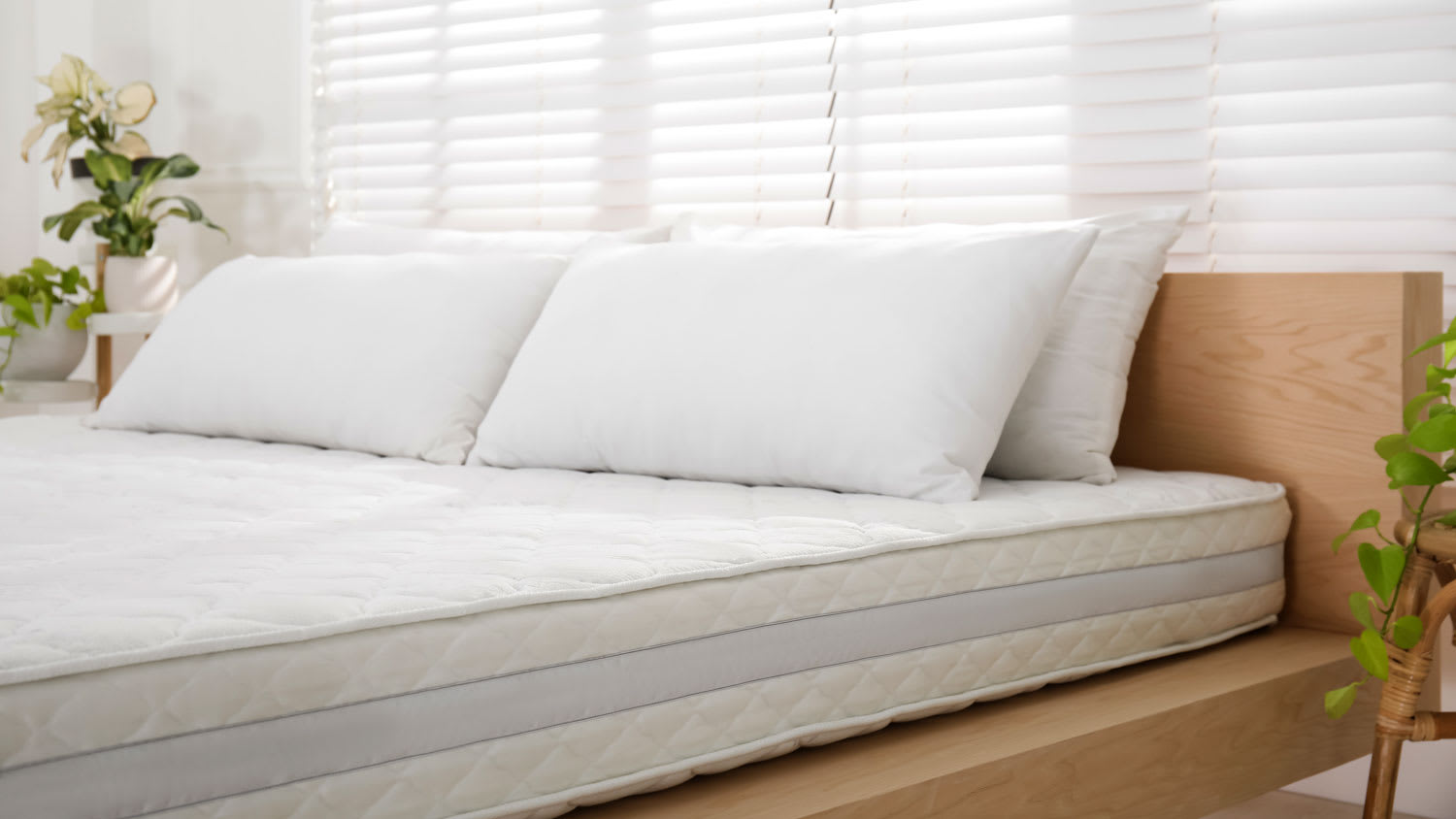
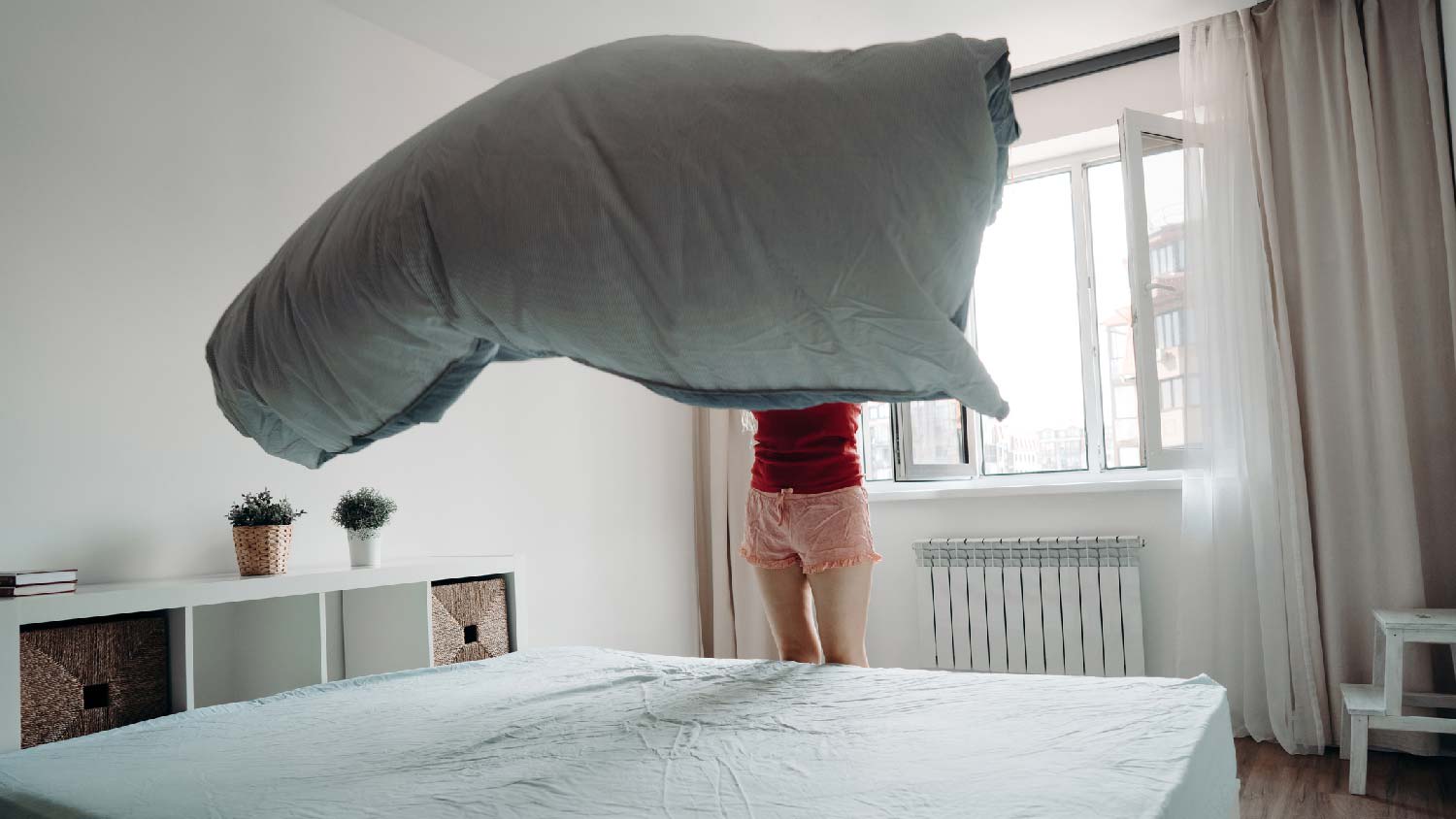
The Wall, SD homeowners’ guide to mattress cleaning services
From average costs to expert advice, get all the answers you need to get your job done.
Mattress cleaning cost depends on the number of mattresses being cleaned and the size of each. Use this guide to better understand mattress cleaning prices.
Mattresses are considered hazardous waste, so you’ll likely have to pay disposal fees. Use this guide on mattress removal costs to see what your total will be.
Cleaning pee out of a mattress might seem like a daunting task, but you can clean up and get rid of the lingering odor with household items you already have.