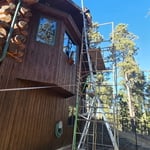
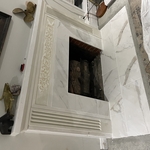
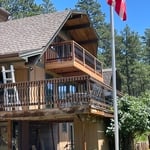
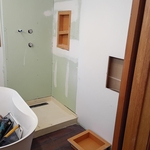
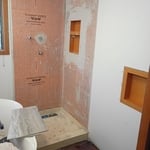
"He does my work very carefully and also friendly never overcharge me with the price. He installed a new range hood and remodeled my kitchen cabinet with so many other work he for me, I am really pleased with his work ethic."
As a local member of the community, I have been in the construction industry for just over 10 years. With experience ranging from general construction needs, to light electrical, and plumbing I have the knowledge it takes to complete a job on time and with excellent quality. \n\nWhy pay more for a large contractor to provide you a simple service when you can save money and have some peace of mind knowing a local member of the community is taking care of your needs and providing exactly what you need.
"My Review: How to Recover Your Lost or Stolen Bitcoins - iBolt Cyber Hacker iBolt Cyber Hacker offers solutions to help regain control of digital assets, Whether your bitcoins were stolen through hacking, lost due to forgotten keys, or inaccessible for any other reason, iBolt Cyber Hacker has the experence to help you. Their team use advanced blockchain technology with sophisticated cybersecurity techniques to navigate the complexities of cryptocurrency recovery. I Truly Recommend Them More Info: Email: Support @ iboltcyberhack . com Contact/Whatsapp: +39Â 350Â 929Â 0318 Website: https : // iboltcyberhack . com /"
Well hello there....my name's Joseph Westbrook I'm 40 years young I've worked construction my whole life...interior or exterior!! I love siding and roofing but I can change your toilet if needed! Just starting over with.my dog buddy. My prices are fair if not cheaper then most ...I take pride in what I do so if you need help let me know\n
Born handyman who has spent 5+ years in the maintenance trade, just shy of 10 years in the audio video and golf club repair/custom building industries. What I don't know how to do I'm excited to learn!
Looking for small jobs to be completed in a day or less, faucet replacements, Small Drywall repairs, things of that nature. I am only working on weekends for now, until I can get a clientele built up.
Saint's Care is a leader in providing our customers with the highest quality service in an honest, efficient, and professional way. Our pledge is to create successful relationships with our customers and community by building trust, treating every project with the utmost integrity and exceeding expectations. Accredited by The U.S. Airforce! \n\nI look forward to working with you!\n
I am the handyman business that you want when you have projects that you need done. I offer realistic prices, and I guarantee my work. I have been working around rapid city 3 years and have a reputable reputation with all of my customer that I have worked with. I also work with several real estate agencies around the area that use my services during the buying and selling process of homes.
Zoe Life, LLC provides professional handyman and cleaning services tailored for rental properties and commercial office buildings in the Rapid City and Black Hills area. We understand that maintenance and cleanliness are critical to tenant satisfaction, property value, and seamless business operations.\n\nOur Specialized Services Include:\n\nHandyman Services: From routine maintenance and repairs to small renovations, we handle plumbing, electrical, drywall, painting, furniture assembly, and general fix-it tasks.\n\nCommercial & Residential Cleaning: We offer detailed turnover cleaning for rental properties and reliable janitorial services for office buildings, ensuring a clean, safe, and professional environment.\nFully insured and committed to punctuality and quality workmanship, Zoe Life is your single, trusted source for property upkeep. We help landlords and business owners protect their investments.\n\nContact us today for a free, no-obligation estimate.
Fire Pit Installation questions, answered by experts
A fireplace hearth is necessary in most areas per building codes, especially for gas and wood-burning fireplaces. Electric fireplaces may not require a hearth, so check local building codes or ask a pro for guidance if you’re leaning toward electric. A fireplace hearth can decrease the risk of flying embers creating a fire and burning your home down. That’s why fireproof material, like tile, is used for the hearth.
Concrete homes have better fire resistance because this material is highly resistant to fire and heat. But any paint, siding, windows, roofing, or other materials on a concrete home may still be flammable. Never try to stay in a building with a large, active fire or a wildfire approaching because this can still be deadly. However, building a fireproof home with concrete can better protect the structure against total destruction.
Yes, it is possible. An electrical fire can break out if the compressor has inadequate ventilation. When it overheats but doesn't have a proper thermal cutout, this can cause the motor to short-circuit and catch fire. This risk is exacerbated if flammable materials, like dust and fallen leaves, are clogging the unit. The compressor overheating won't start a fire by itself, but poor maintenance and installation can increase the risk once it hits its breaking point and short-circuits.
Smoke detectors come in two different options: hardwired or battery-operated. While hardwired units are attached directly to the home’s electrical system, a battery-operated smoke detector only needs a simple battery for operation and can be placed virtually anywhere in your home. Some homeowners may mistakenly think their battery-operated units are hardwired in because all their units are interconnected, but many battery-operated units can operate within a smoke alarm network in your home.
Generally, an oil furnace is considered safer than a gas furnace for several reasons. While both types of furnaces can produce carbon monoxide, a leak in an oil furnace is easier to detect due to the smell. Oil furnaces also don't connect to a gas pipeline, which reduces the chance of a fuel leak. Most importantly, heating oil is not combustible, whereas natural gas is highly flammable. This means there is a much lower risk of combustion or explosion with an oil furnace. However, an oil furnace can still pose a fire hazard if it tips over.
The Hereford, SD homeowners’ guide to fire pit installation services
From average costs to expert advice, get all the answers you need to get your job done.
A fire pit installation costs $850 on average but can vary by size, fuel type, materials, and more. See how much you need to budget for a new fire pit.
Discover fire door cost data, including installation, materials, and tips to save. Learn what impacts fire door pricing and how to budget for your project.
Discover home fire sprinkler system costs, including installation, maintenance, and key cost factors. Learn how to budget and save on your home fire protection.
A fire pit adds attractive entertainment space to your backyard. Learn about standard fire pit dimensions and what factors contribute to fire pit size.