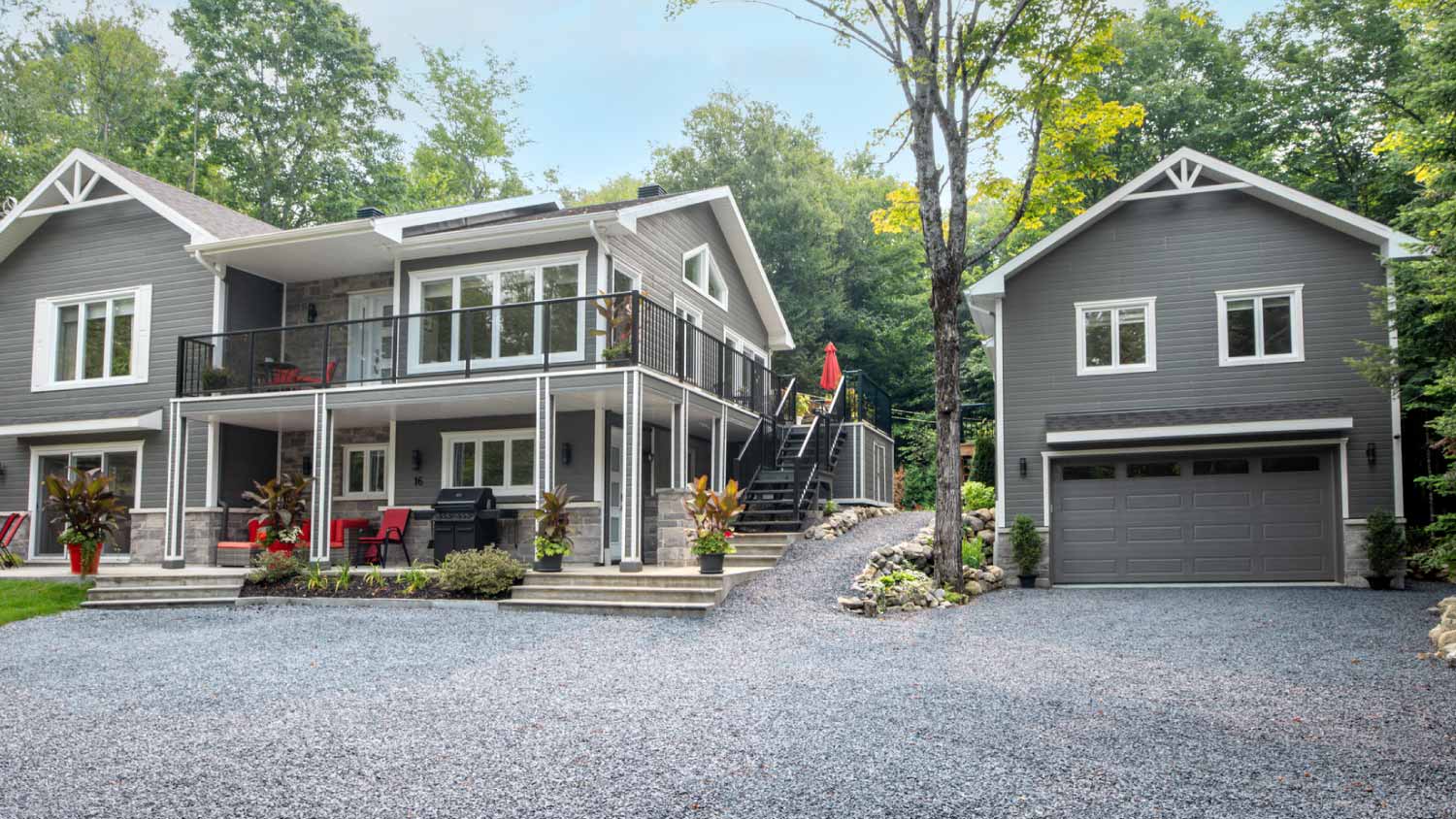
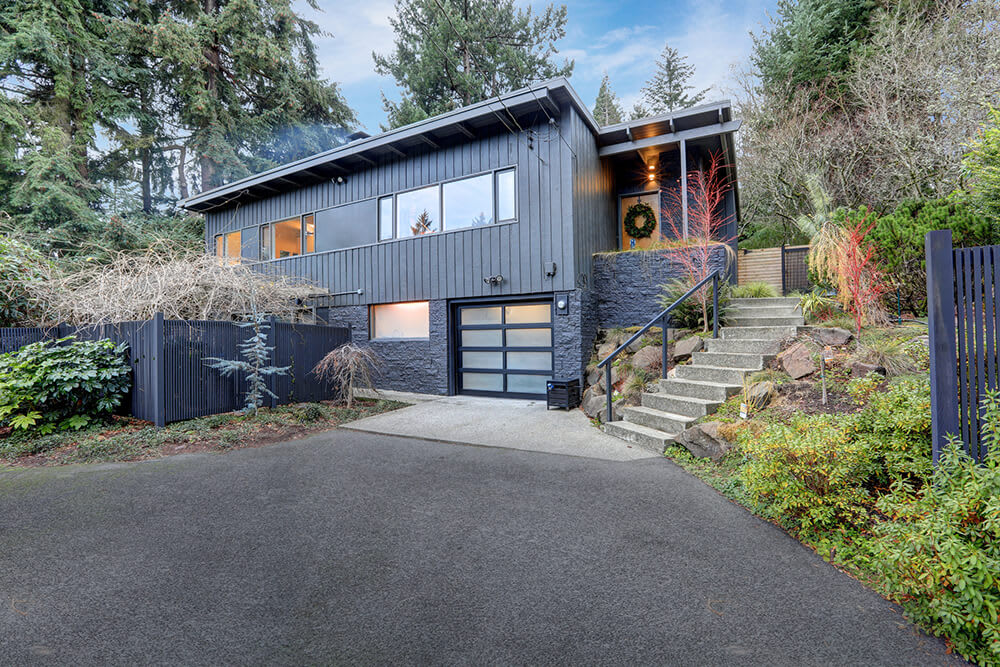
We are a locally owned and operated company that values honesty, integrity and treats your home as if it were our own. We offer a variety of general contractor services that are customizable to each individual project. You will find us to be competitively priced, paying close attention to the details of each and every project that we are involved with. We look forward to building lasting relationships and guarantee your satisfaction!
Driveway Sealcoating questions, answered by experts
In general, crack fillers last for about two years on average. That timeline can be shorter if you have extremely harsh winters or longer if you live in a mild climate. Luckily, this product is pretty affordable at the hardware store (about $10 to $30) and easy to DIY, so redoing it every few years shouldn’t be too much of a hassle.
Ideally, you should seal your driveway when there won’t be rain for several days, but at a minimum, there can’t be rain for at least 24 hours. If it rains shortly after you seal your driveway, the water can wash away the sealer and render your work useless. You’ll have to wait for your driveway to dry out and try applying again. Note that some sealers—like oil-based sealers or specialty fast-drying sealers—may cure faster. Ask your contractor for information on timing before the install, and if there’s rain in the forecast, postpone the job.
Whether you should resurface or replace your asphalt driveway heavily depends on its condition. If the foundation is solid and the damage is minor, resurfacing is your best bet because it’s more affordable and faster than replacing the driveway. But if your driveway has foundational problems and/or severe damage, like large, deep cracks and potholes, then it makes more sense to replace it.
Oil can permanently stain a concrete driveway if it fully dries or sits for weeks without cleaning. Concrete is porous and absorbs the oil deeper over time. That’s why it’s best to remove an oil stain when it’s wet by applying an absorbent material, sweeping the area, applying dish soap, scrubbing, and then rinsing.
Common issues that require asphalt repair include cracking, potholes, surface crumbling, fading, uneven surfaces, weather-induced damage, and drainage problems. Regular maintenance is crucial for maintaining safety and aesthetics and can prevent more significant damage.
The Ipswich, SD homeowners’ guide to driveway sealcoating
From average costs to expert advice, get all the answers you need to get your job done.
The cost of a tar and chip driveway falls between gravel and asphalt. Is this unique process the happy medium you've been looking for? Let's take a look.
Driveway extensions can provide valuable parking and recreation space and add to the value of your home on resale. Find out how much driveway extensions cost.
The average driveway coating takes between 30 minutes and eight hours to dry, but weather and sealant type can influence the dry time. Read on to learn more.