"AHS is ok. They cover repairs of most everything under the roof of your house. The companies that contract with them are not always the best. You call AHS with the issue, they send a fax to the repair company and give you the contact info. If they don't contact you within 24 hours, you call them. Sometimes they answer, sometimes they don't. When they arrive (usually three days or so later), they service the item. if it has issues within the 90 days, you call AHS again, they are sent out with no charge. If the serviceman decides the unit is unrepairable, AHS will allow you to choose a replacement from their listing (usually not as good as what you have) they will install and remove your old item, or give you wholesale amount to buy and install your own. Prices vary on what you want covered and what you want the copay to be, plus where you live. For me it is 49.99 per month with a 75.00 time of service order. You can have more than one item serviced at the same time under the same fee. If you have a SEAR product the repair guys are great. Not that wild about the other ones they send out. But it is a big savings compared to calling someone on your own. The cost of service is only the 75.00 copay."

Install Above Ground Pools questions, answered by experts
Yes, adding a pool to your property will almost always increase your homeowners insurance premiums. This is because pools are considered a greater liability due to their potentially hazardous nature, and the added replacement cost of the pool is factored into your home's rebuilding cost when considering coverage limits. The amount of the increase can range from as little as $50 to a few hundred dollars more per year, depending on your insurance provider, location, current coverage, and the safety features installed. Before building a pool, it is highly recommended to contact your insurance agent to get an estimate, discuss their specific guidelines and requirements, and factor the increased premium into your total pool installation costs.
Swim spas are like hybrid hot tubs and pools. They have the heating and jets of a hot tub, but they’re slightly longer because they’re made for swimming and exercise. A jet provides a continuous current that acts like a water treadmill. You can swim the length of a full-size pool without going anywhere.
Setting up a pool on unlevel ground is not recommended as it can damage the pool or yard and put the safety of those using it at risk. If a pool isn't level, the water's weight won't distribute evenly, putting excessive pressure on certain parts. This can cause the pool liner to tear or the walls to collapse, leading to water damage, expensive repairs, or potential injury to swimmers. It is more cost-effective to level the ground correctly before installation rather than waiting to address serious structural issues later.
It’s okay to leave a pool pump on 24-7. In fact, running it continuously has big upsides, including consistently distributing chemicals, keeping a steady pool temperature, preventing algae growth, and keeping pool water clean. However, there is a tradeoff—operating a pool pump around the clock increases energy costs and can take a toll on the pump’s longevity. If you want to run your pool pump all the time, invest in energy-saving equipment like a variable-speed pump.
The most straightforward approach to filling an in-ground swimming pool is to connect a garden hose from your exterior tap. However, this is not the best idea if there's water scarcity or restricted rationing. If so, you'll want to make alternate arrangements, like getting a water delivery service to fill your pool.
The Howes, SD homeowners’ guide to above ground pool installation services
From average costs to expert advice, get all the answers you need to get your job done.
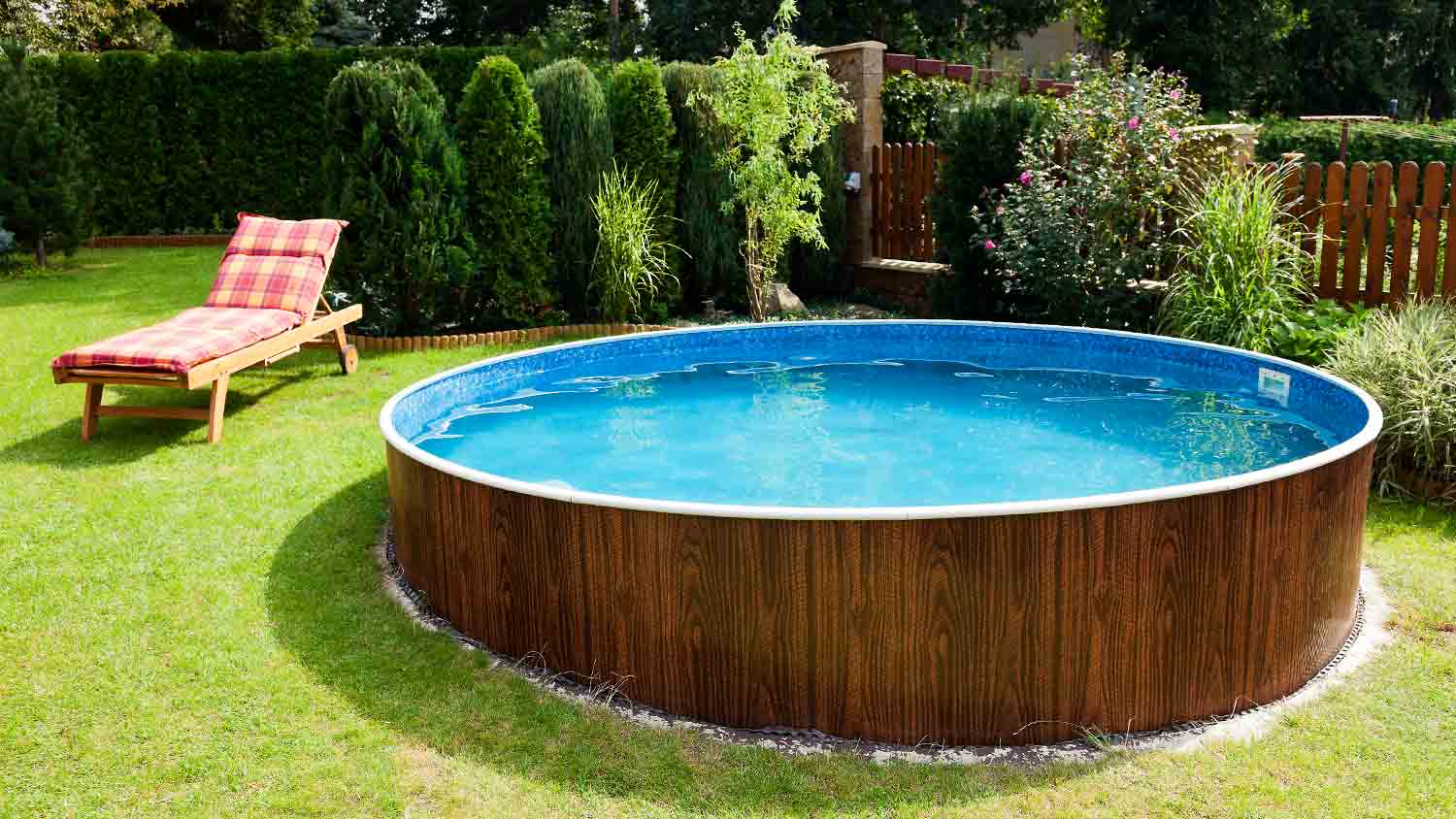
Above ground pools are more affordable than inground pools, so can you put an above ground pool in the ground to save money? Learn when it’s safe to do so.