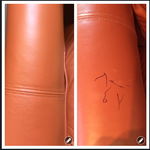
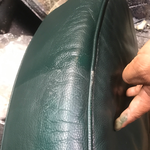
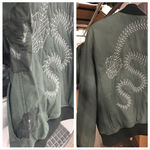
"When no one locally even responded to my inquiries for a quote, Michelle got back to me the same day with a quote and description of how the repair would be done. It's a slight downside to have to ship one glove coast to coast for a minor repair on one finger. But the cost of shipping and the repair is much less than purchasing another $100 pair of gloves! The repair took a little longer than anticipated, but shipping time had to be factored in as well. Michelle was very prompt with communications during the process. Cost of service below did not include shipping which was about $16 round trip. The glove returned good as new...well as good as it's pair. The glove is two years old. But the seam was totally resewn and reinforced. Michelle stated she did not want to the issue to happen again. I hope it won't. The problem started with my fingers rubbing. Very happy with the service from Premier. I wish they had a shop in Maryland!"
For washable or electrostatic air conditioner filters, you can soak and rinse them with water. If you rinse the filter with water, make sure to use a faucet, shower head, or garden hose with a gentle water pressure setting, as strong water pressure could damage the filter.
But for disposable filters, water could ruin the filter, even allowing mold to grow in the filter. Instead, these filters should be replaced.
According to the Centers for Disease Control and Prevention (CDC), no single water filter or treatment system can remove 100% of contaminants. To find the best filter for your needs, first determine which impurities are most important for you to remove. For example, reverse osmosis (RO) filters are highly effective at removing a wide range of contaminants, including sediment, heavy metals, bacteria, viruses, dissolved salts, and chemicals. However, the RO process can also filter out beneficial minerals like calcium and magnesium. If eliminating bacteria is your main priority, a UV filter could be a suitable choice. Additionally, distilled water is considered the most pure form of filtered water available.
Keeping your air filter clean is crucial for your heat pump's efficiency. As a general rule, you should check your air filter every 1 to 3 months. However, the actual frequency might vary depending on factors like the type of filter, indoor air quality, and the amount of dust and debris in your area. If you notice the filter is visibly dirty or clogged, it's a clear sign it needs attention sooner. Regular filter maintenance ensures proper airflow and helps your heat pump perform optimally, keeping your indoor air fresh and comfortable.
Always turn off the power to your HVAC system before you remove the front cover to replace the air filter. If there isn’t an off switch, turn it off at the circuit breaker box. This prevents the risk of electric shock and stops unfiltered air from passing through the ductwork while the thermostat is running.
A correctly installed air filter will fit snugly in its compartment. One that’s too thick or big won’t lie smoothly, and it can block the airflow, sometimes resulting in strange noises. A filter that’s too small or improperly fitted may move around in the compartment, resulting in strange humming or vibration noises. Poor fitting can eventually cause a buildup of dirt in the HVAC ductwork, and reduced indoor air quality can lead to sneezing or excess dust on your surfaces.
The Eagle Butte, SD homeowners’ guide to couch cleaning services
From average costs to expert advice, get all the answers you need to get your job done.