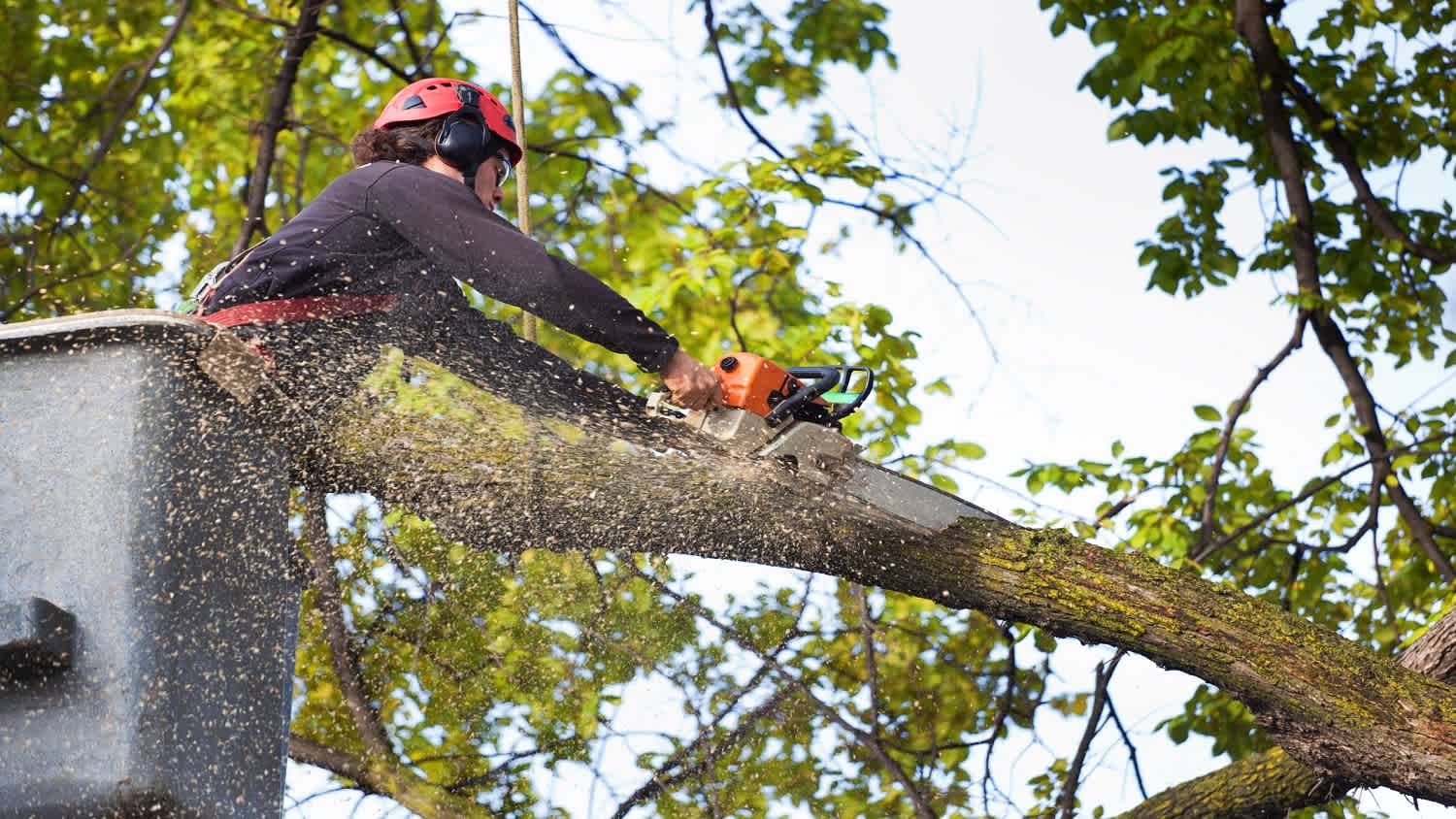
"Large amount of work was needed, and job is about 80% complete. Hard workers that want to do a great job. Very courteous and professional when discussing details. They were willing to rent special equipment to get the work finished."
Most plum trees are pruned into a vase or open wine glass shape. They’ll have a shorter central leader (the trunk) that supports three to four main branches. Of course, this isn't always the case. If you have a European plum tree, you can grow it in a pyramid shape. Let the central leader extend the length of the tree and prune smaller branches to create the pyramid.
Opt for a barefoot tree. Pros harvest barefoot trees when they’re dormant (leafless). They shake the dirt from the root ball and pack it in moist material.
These trees can cost half as much as the trees at your local nursery, and you can buy them online—so there’s a much wider selection. Just make sure you keep your barefoot tree cool until you’re ready to plant it.
No. Topping a tree refers to severely cutting down all its major branches and tree in a straight line. It was once recommended for streetside deciduous trees but has fallen out of practice. Topping leads to many problems, removing so much of the tree that many trees struggle to survive and become much more vulnerable to insects and diseases. Also, it doesn’t really help tree growth as once assumed and often leads to an ugly appearance of many sprouting stems in competition to become new main branches.
You can find pruning paints and sealants for trees, but you shouldn’t use them on a topped tree. Coatings like these often inhibit the tree’s healing process. An important exception is if there are dangerous fungi nearby that the tree is particularly vulnerable to, like oaks and oak wilt. Sealing cuts can help prevent fungi from taking root.
No, you cannot throw branches from your neighbor’s tree back into their yard, nor can you discard leaves or other plant matter that originated from their yard back over there if it happens to land in your yard. You are responsible for cleaning up plant matter that made its way into your yard.
The Eagle Butte, SD homeowners’ guide to tree services
From average costs to expert advice, get all the answers you need to get your job done.
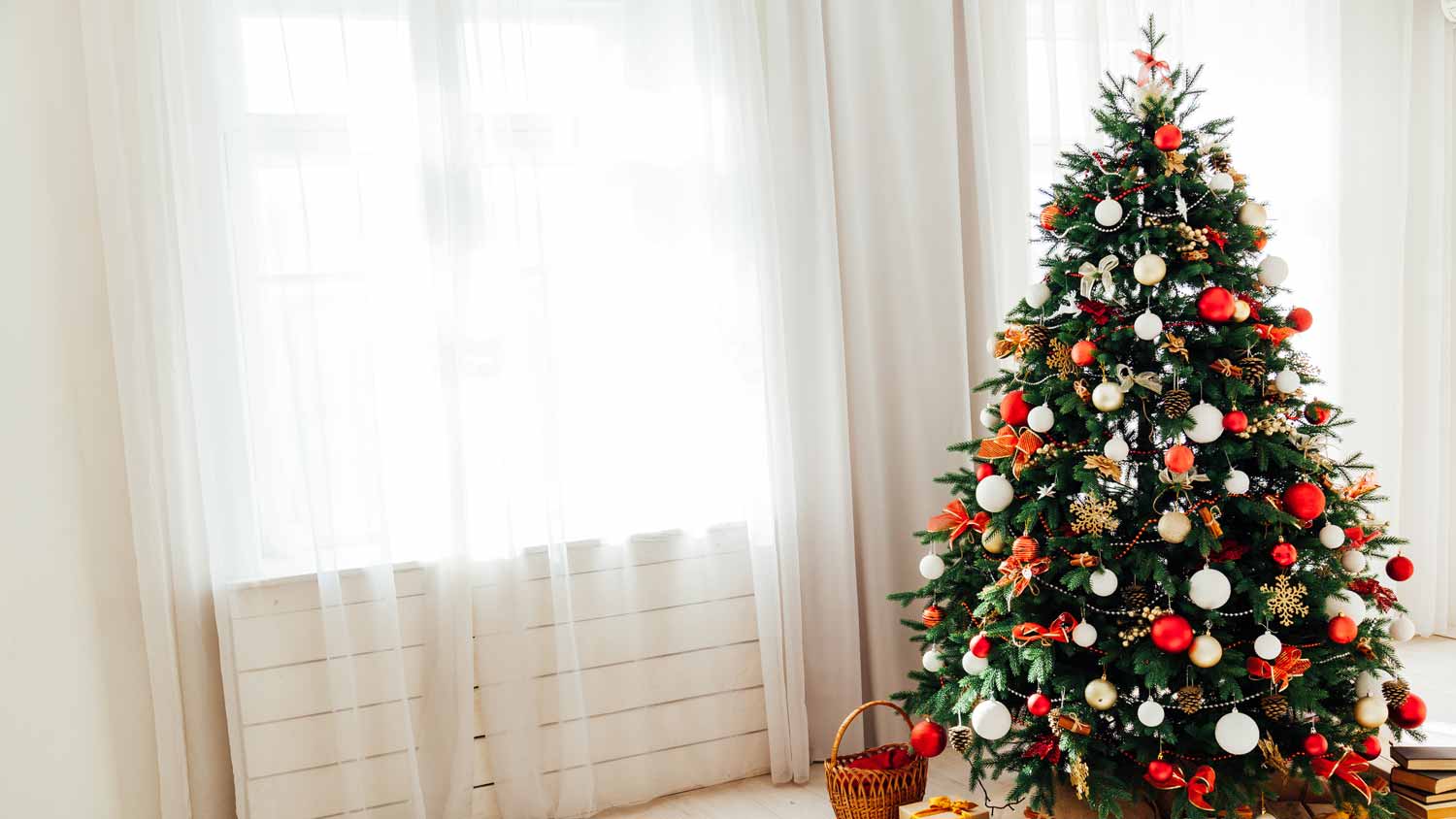
If you're dreaming of rocking around your—professionally decorated—tree this season, this is how much a Christmas tree decorating service will cost you.
How much does an arborist cost? This guide explains the cost of different services, ongoing expenses, and other factors to consider when hiring an arborist.
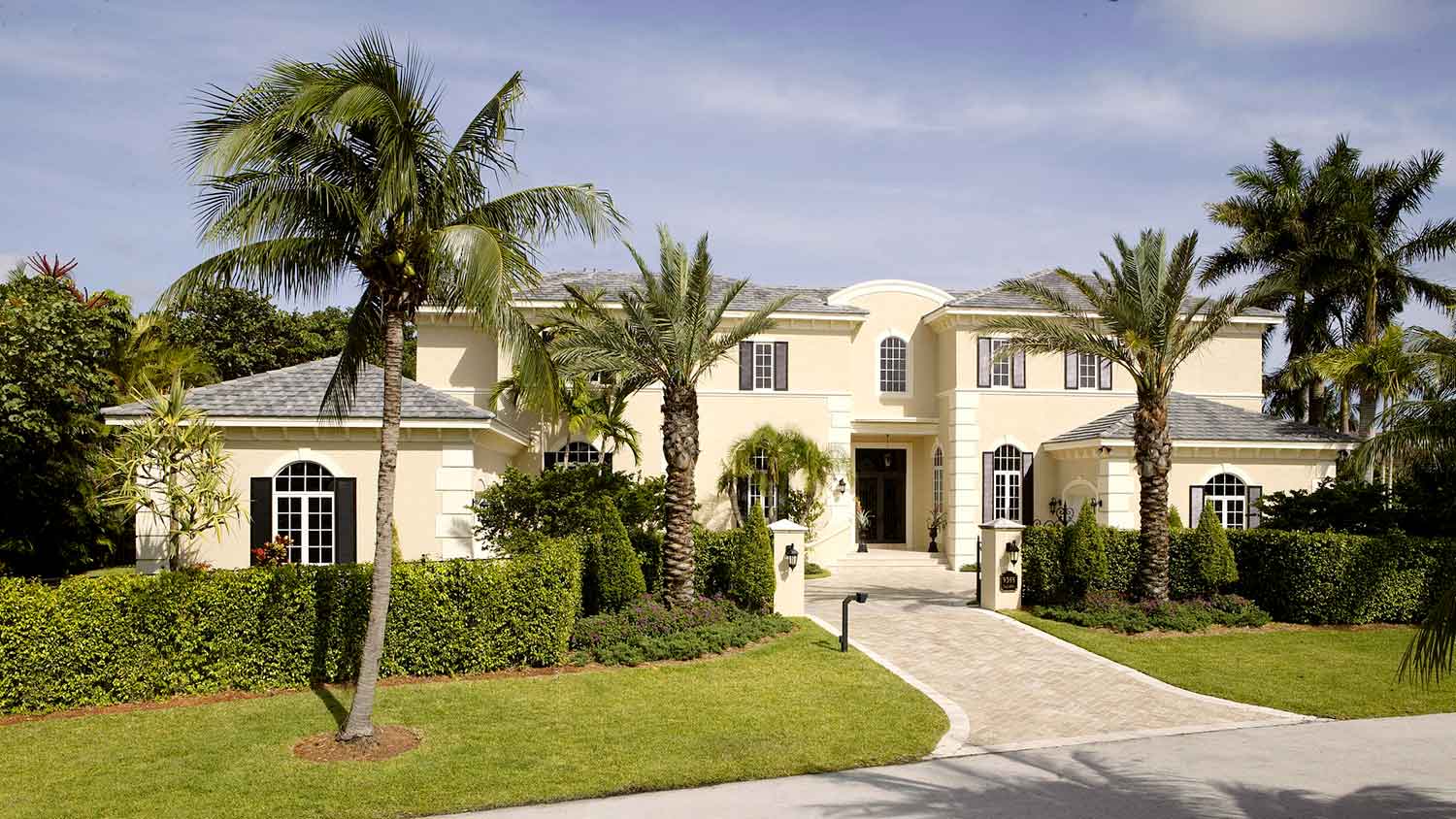
Get a clear estimate of palm tree maintenance cost, including trimming, fertilization, and pest control, so you can keep your palms healthy and your budget on track.
You suspect that the leaning oak tree in the back needs to come down, but can you just handle it yourself? Here are the pros and cons of calling a tree service.
Are there insurance requirements for tree services? Whether you’re having your trees trimmed or finally removing that old oak from your front yard, you’ll want to make sure your tree company or contractor has these two types of insurance, at minimum.