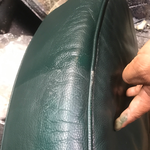
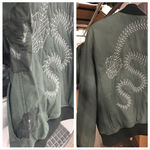
"When no one locally even responded to my inquiries for a quote, Michelle got back to me the same day with a quote and description of how the repair would be done. It's a slight downside to have to ship one glove coast to coast for a minor repair on one finger. But the cost of shipping and the repair is much less than purchasing another $100 pair of gloves! The repair took a little longer than anticipated, but shipping time had to be factored in as well. Michelle was very prompt with communications during the process. Cost of service below did not include shipping which was about $16 round trip. The glove returned good as new...well as good as it's pair. The glove is two years old. But the seam was totally resewn and reinforced. Michelle stated she did not want to the issue to happen again. I hope it won't. The problem started with my fingers rubbing. Very happy with the service from Premier. I wish they had a shop in Maryland!"
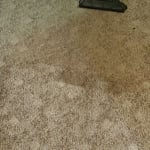
"Very prompt and courteous customer service. Worked with my schedule and did great work. Went above and beyond and cleaned all flooring in my apartment and not just the carpet. Very impressed!"
Both an air purifier and a dehumidifier can help prevent future mold growth, but neither can remove existing mold. An air purifier will improve air quality and trap mold spores in the air, whereas a dehumidifier will reduce moisture in the environment. Keep in mind that you need to make sure your air purifier uses HEPA filters, which are rated for mold removal.
How often you change your air filter depends on your home and lifestyle. Things like how many people are in your home, pets, the season, the size of your home, the air quality where you live, and more all impact your HVAC system. The best practice is using visual indicators to determine when it needs changing by checking if light can pass through it. If you can’t see any light, it’s clogged and needs to be changed.
Yes, a dirty air filter can cause a higher electric bill. That’s because clogged filters make it harder for air to flow through your HVAC system, which forces it to work harder and use more energy. According to the U.S. Department of Energy, replacing dirty filters can save you between 5% and 15% in utility costs.
If you don't regularly change your HVAC air filter, it will become clogged with dust, dirt, and other contaminants. This blockage forces the system to work harder to circulate air, leading to several negative consequences. You may experience higher energy bills, poor temperature regulation, reduced air quality, and slower system performance. Over time, this added strain can cause parts to break more frequently, lead to system failure, and ultimately shorten the lifespan of your entire HVAC unit. In some cases, it can also contribute to health problems. It's recommended to change the filter at least every three months.
Inexpensive filters do an effective job of keeping your HVAC system clean and running properly. However, they usually aren’t the best at filtering out allergens and other pollutants. So, if you have pets, several people in your household, or allergies and asthma, you’ll want to invest in a higher-quality filter.
The Highmore, SD homeowners’ guide to couch cleaning services
From average costs to expert advice, get all the answers you need to get your job done.