"Large amount of work was needed, and job is about 80% complete. Hard workers that want to do a great job. Very courteous and professional when discussing details. They were willing to rent special equipment to get the work finished."
David Ferguson's construction business is dedicated to quality and outstanding customer service. Our job is to provide you with quality service at a great price. Please don't wait call us today.
A&R tree service is committed to excellence in every aspect of our business. We uphold a standard of integrity bound by fairness, honesty, and personal responsibility. Our distinction is the quality of service we bring to our customers. Accurate knowledge of our trade combined with ability is what makes us true professionals. Above all, we are watchful of our customers' interests, and make their concerns the basis of our business.
At Pitbull Services we pride ourselves on being the best plumbing and contracting company in the area.\n\nWe've built an excellent reputation for customer satisfaction by providing quick estimates, a great attention to detail, and competitive pricing.\n\nBeing a screened and approved professional gives you the peace of mind you need to allow us to give your home the attention it deserves. Call us today and let's get started!
You can use herbicides to prevent roots from growing without killing the tree itself, however they must be used with caution. Systemic herbicides are absorbed by the root and can kill off problematic roots. However, herbicides can sometimes negatively impact nearby plants, so the solution is best used sparingly.
Absolutely. These steps are significantly easier, too, especially when it comes to preserving the root ball and moving the palm tree. However, you will want to make sure the tree has plenty of fertilizer to establish itself and start growing. Supports may also be more important, as it can take extra time for a potted palm to spread out its roots. If you are transferring a palm to another pot, you’ll want to move up a size or two to a larger pot. Make sure the pot has excellent drainage to keep the palm from getting waterlogged.
Before you cut down a dead palm tree, try to revive it using the methods listed above. However, there are instances when it makes sense to remove a dead palm tree, including:
The heavily infected tree will infect nearby trees, bushes, and plants.
The palm’s roots are overtaking your yard, foundation, and sidewalk and causing structural damage.
The tree is unstable and a hazard to your property, your neighbor’s property, and pedestrians.
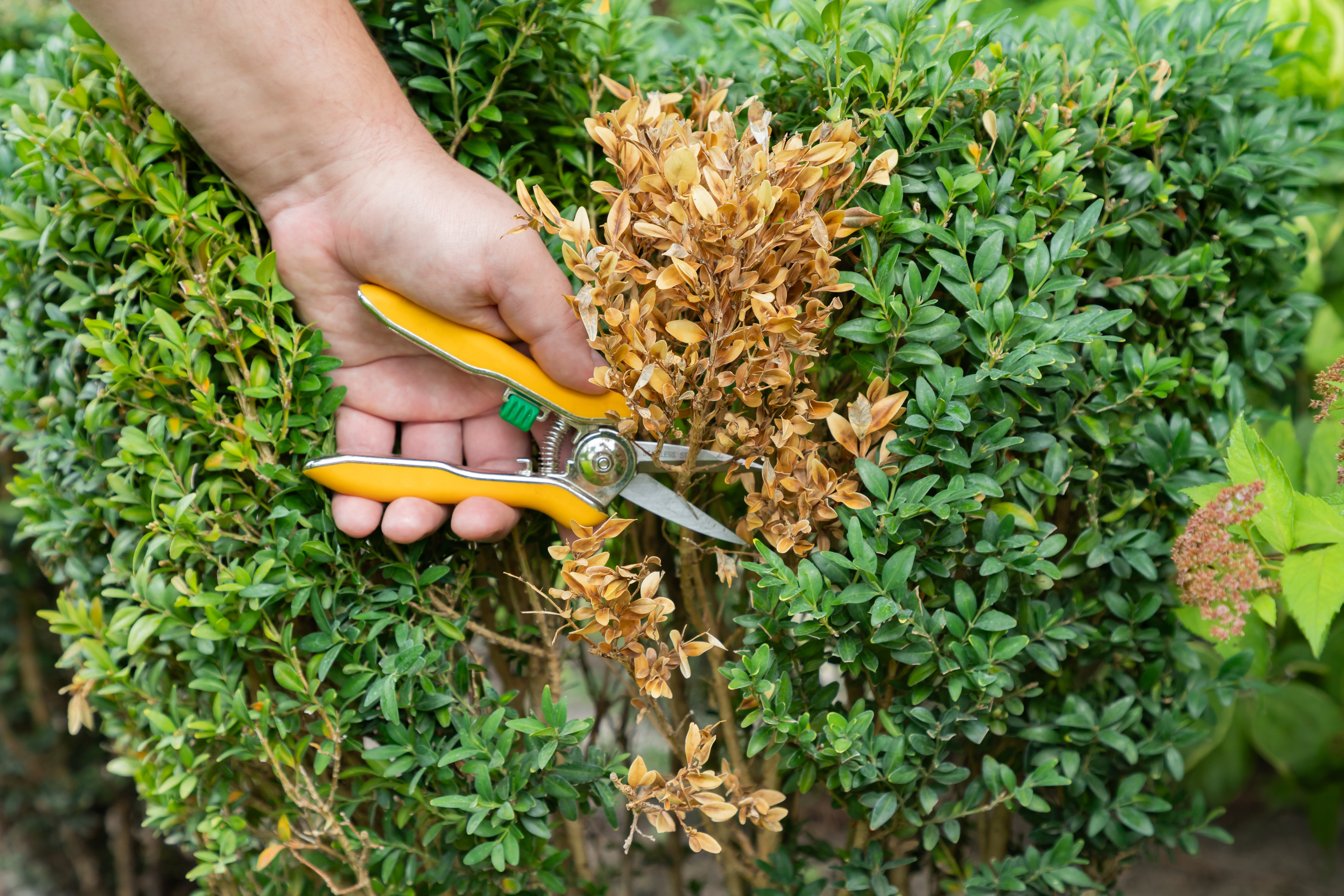
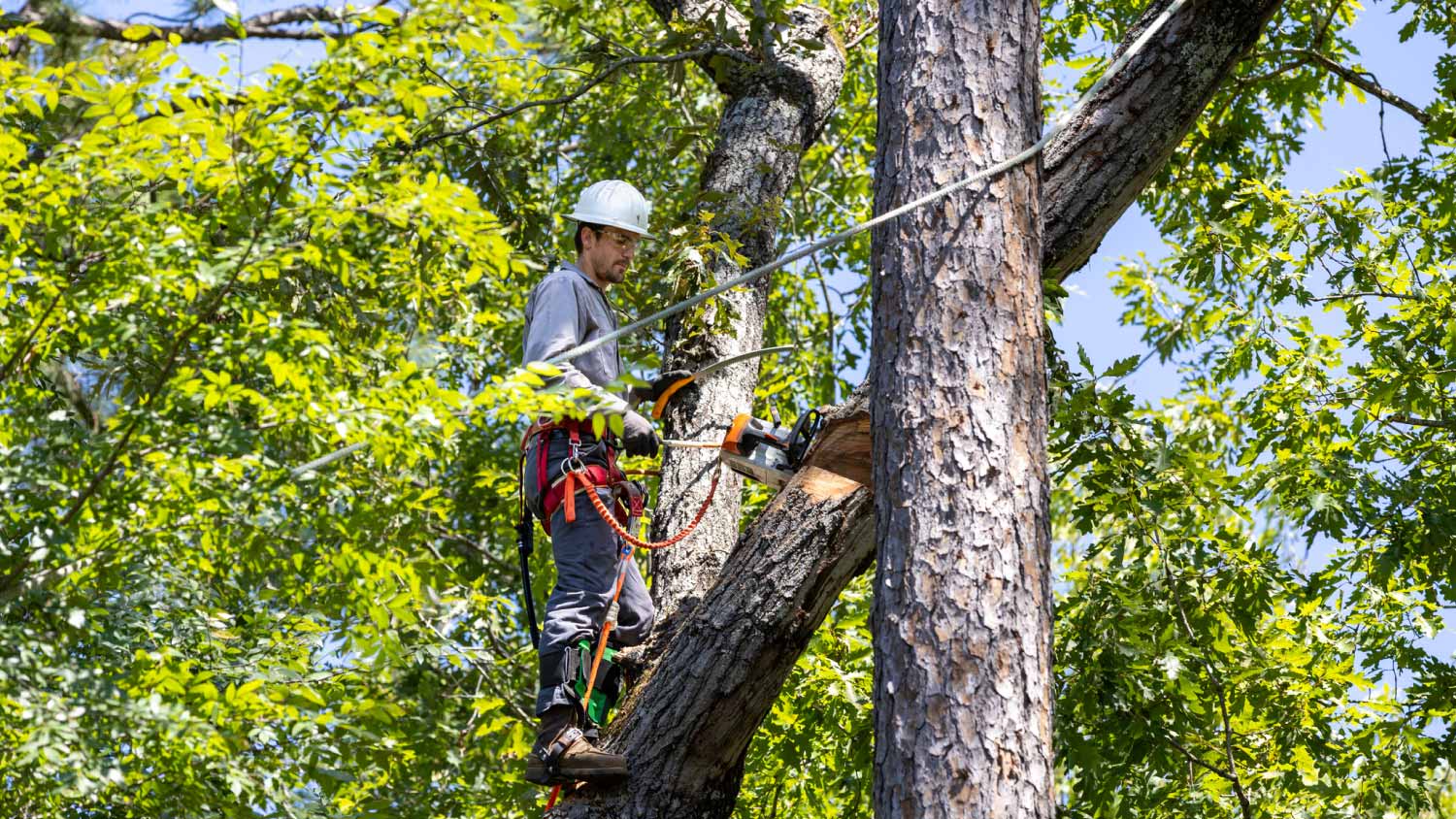
Yes, it can be good to remove dead branches from trees. Dead branches can lead to rot in other areas of the tree. They can also cause damage if they fall on a house, shed, fence, car, pool, or other structure or property. However, it’s important that dead branch removal is done safely. If the branch is high in a tree or requires a lift or ladder to access, consider calling a professional tree removal company, as they will have the experience and equipment to do the job safely.
Usually, trees cannot grow back after their stump has been ground, but some very hearty types of trees can. For example, if you have a black locust or Redford pear, the grinding will need to go deep to prevent them from growing back. Ask your tree service or stump removal expert whether your tree can resprout after its stump is ground down.
The Cherry Creek, SD homeowners’ guide to arboricultural services
From average costs to expert advice, get all the answers you need to get your job done.
How much does an arborist cost? This guide explains the cost of different services, ongoing expenses, and other factors to consider when hiring an arborist.
Tree inspections can ensure your trees stay healthy and safe, preventing costly damage. Learn how much tree inspections cost and what can affect the price.
Arborists are specialized tree care experts. This guide will help you hire an arborist with all the qualifications to give your trees the best care possible.