


Top-rated arborists.

Get matched with top arborists in Newell, SD

Enter your zip and get matched with up to 5 pros

Need a pro for your arboricultural service project in Newell, SD?

Select your specific project to find the pro for you.

Find Arborists in Newell

Avatar for 413 Services
413 Services
5.0(
13
)
Tree RemovalTree Removal - For Business

Serving Newell, SD and surrounding areas

Approved

In business since 2021

Free estimates

Emergency services offered

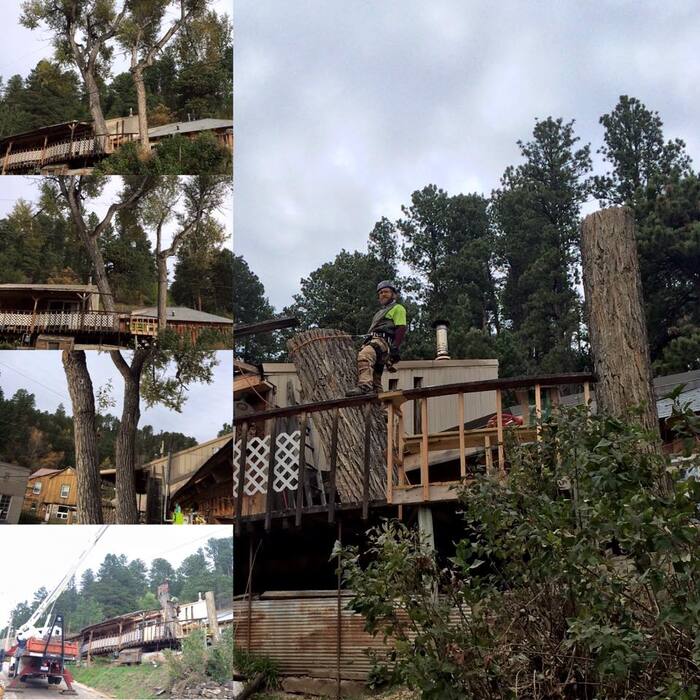
"They were prompt and completed the job in a timely manner and the job site was left cleaner when they were done. Everyone that was on the site was friendly and working all the time. If needed I would certainly hire them again."
Motion Unlimited
Motion Unlimited
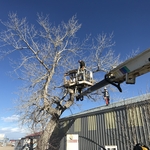
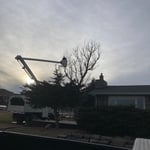
Running out of daylight
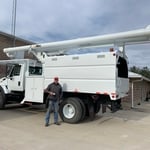
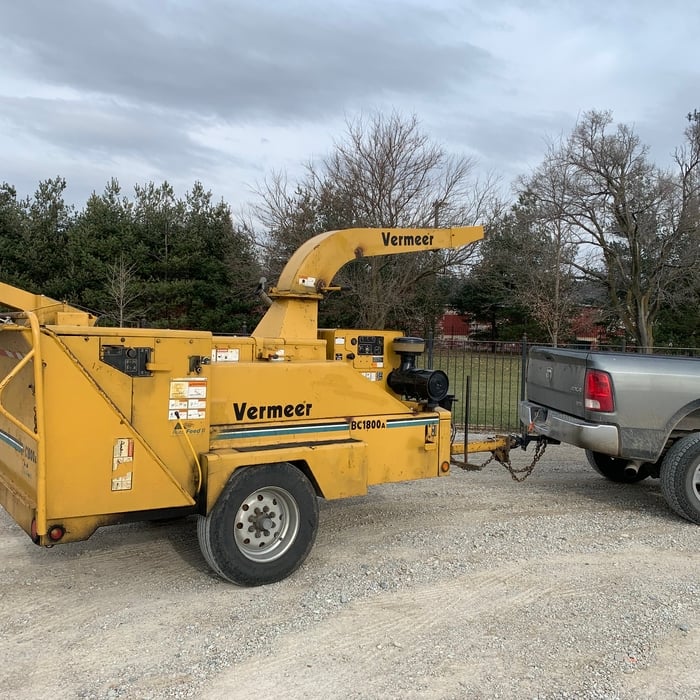
Equipment
BC 1800

+20

Response time2 days
18 neighbors recently requested a quote
Recommended by76%of homeowners
Spearfish Handy-Man LLC
0.5(
1
)
Tree RemovalTree Removal - For BusinessTree Trimming+1 more

Serving Newell, SD and surrounding areas

In business since 2021

Free estimates

Small jobs welcome

We pride our company on reliability, great communication, integrity, and quality work. We are experts in our trade and will do our best to keep you as educated as we can on your particular task or project. We look forward to earning your business! Book with us online or feel free to give us a call today!

Response time4 days
Showing 1-10 of 13
Arborists questions, answered by experts

The exact answer to this question depends on which region of the country you’re talking about, but according to various tree counts, some of the most common types of trees in the United States include red maple, Douglas fir, quaking aspen, loblolly pine, and sweetgum.

You can use herbicides to prevent roots from growing without killing the tree itself, however they must be used with caution. Systemic herbicides are absorbed by the root and can kill off problematic roots. However, herbicides can sometimes negatively impact nearby plants, so the solution is best used sparingly.

The typical lifespan of a Bradford pear is relatively short, only 15 to 25 years. However, these trees have issues long before their life is over. Due to their soft wood and fast-growing branches, Bradford pear trees often split around 15 years, making them a risk for falling branches and more prone to disease. 

Dead tree branches should be removed, because they can cause the tree to lose nutrients. They can also make the tree more susceptible to disease and pests. Removing dead and diseased branches can help the tree recover and increase the odds of saving a dying tree. Make sure to prune the tree correctly to avoid damaging it further.

The average lifespan of an oak tree is 100 to 300 years, so long as it isn’t impacted by diseases like sudden oak death. Some species will last shorter or longer, depending on where you live.

The Newell, SD homeowners’ guide to arboricultural services

From average costs to expert advice, get all the answers you need to get your job done.