Driveway Sealcoating questions, answered by experts
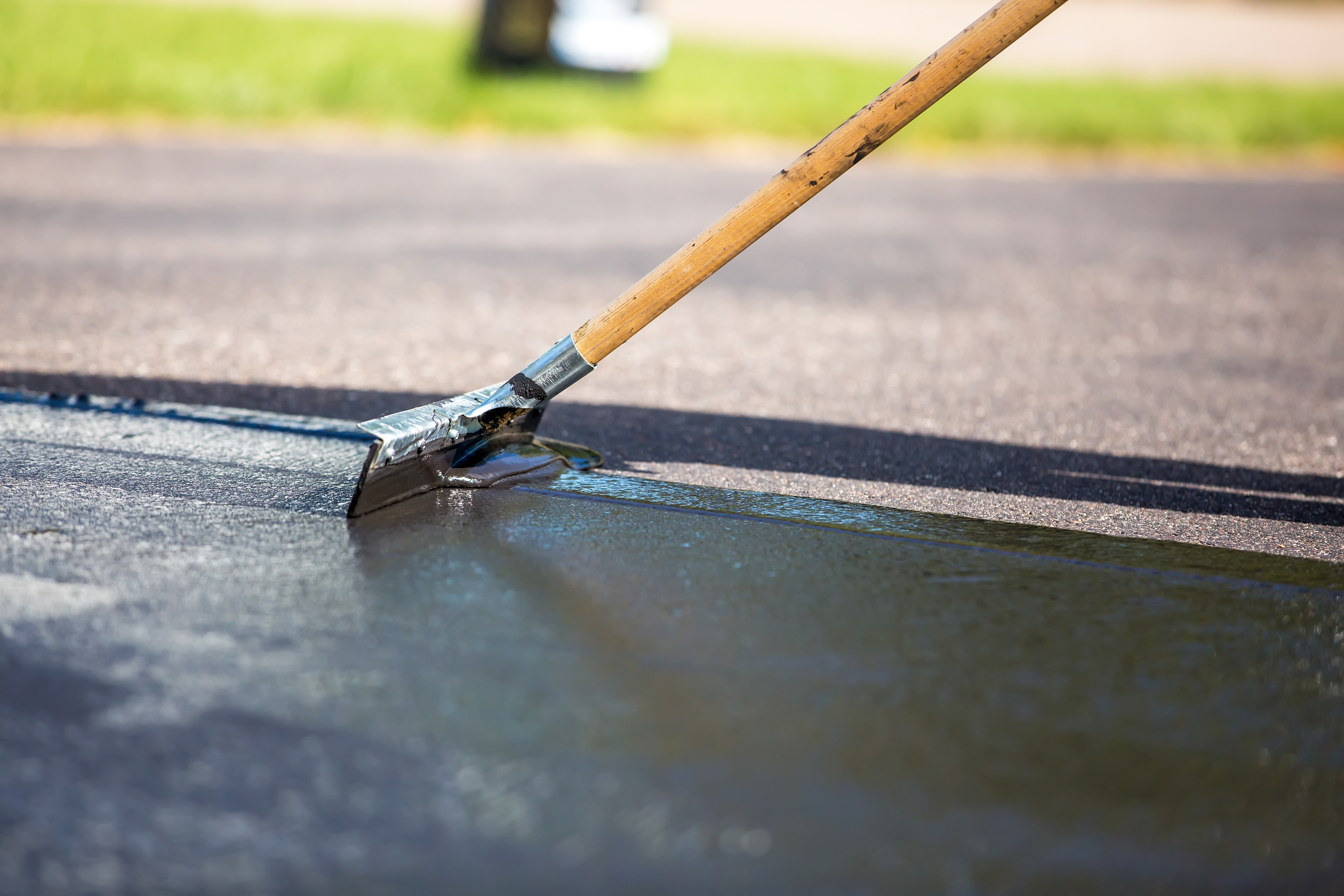
Hot-pour sealants have an asphalt cement base that might also include rubber and other materials to allow the seal to flex in hot or cold temperatures. Asphalt emulsion sealants are not heated but are liquid applications that use water and an emulsifying agent to allow the asphalt and water to mix.
You should plan on sealing your driveway about once every five years, although you should plan to do it once every three years if your area experiences frequent rain or snow. Sealing your driveway protects it from moisture, UV rays, and chemicals from your car, like motor oil and antifreeze. If you find that your driveway stains easily or appears to be cracking or fading, you may want to schedule a sealing service regardless of when you last sealed it.
Common issues that require asphalt repair include cracking, potholes, surface crumbling, fading, uneven surfaces, weather-induced damage, and drainage problems. Regular maintenance is crucial for maintaining safety and aesthetics and can prevent more significant damage.
Yes, it’s possible to seal your driveway too much. Whether you have an asphalt or concrete driveway, sealing it every year opens your driveway to potential damage. Sealing an asphalt driveway annually may cause the seal to crack and peel even more. It may even trap oils within the asphalt that can leave you driving on a soft driveway. Avoid sealing your concrete driveway too much to prevent the concrete from cracking. If water enters these cracks, it can freeze, expand, and cause the cracks to worsen.
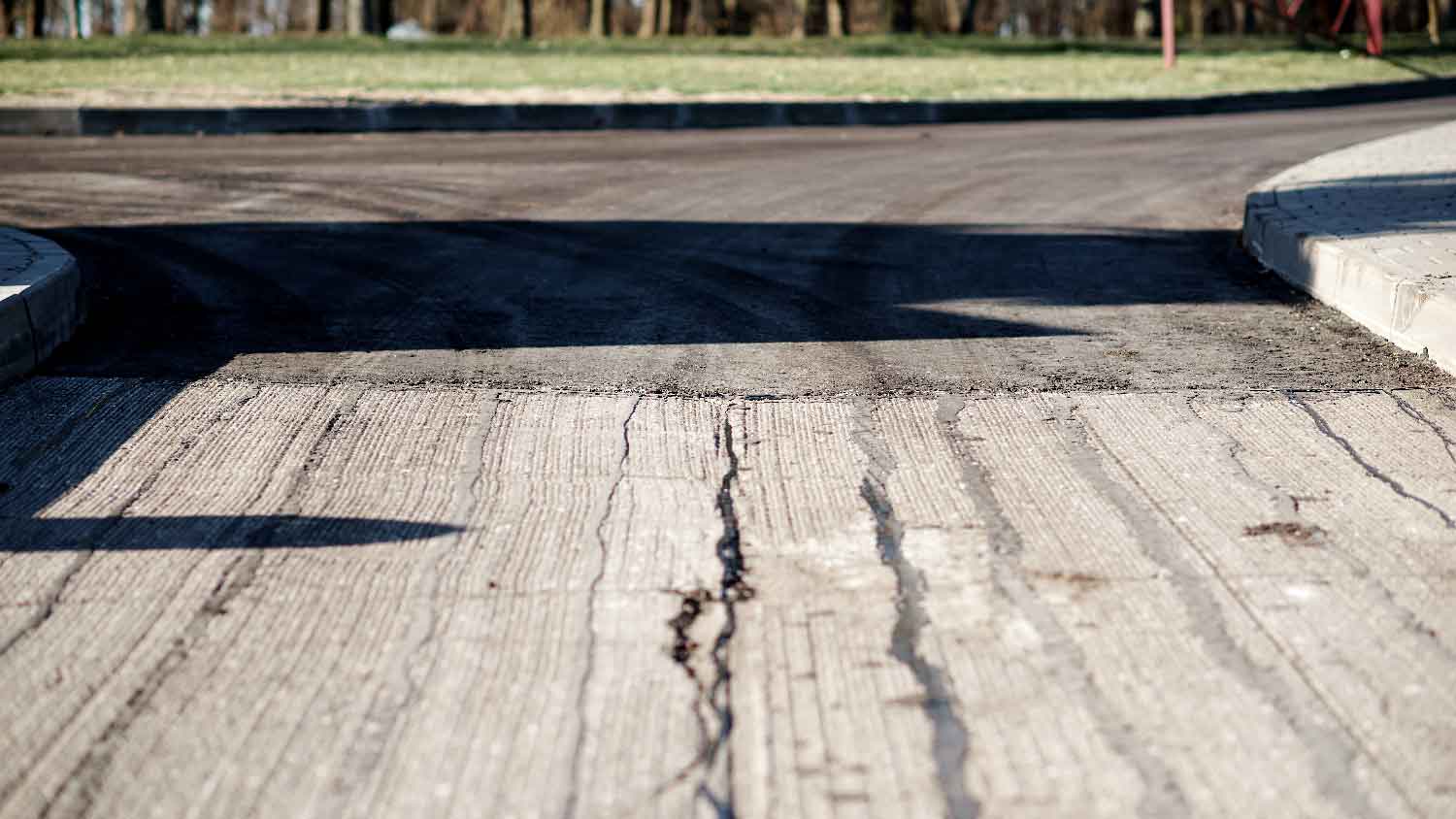
If your asphalt driveway shows cracks, potholes, or standing water, it’s likely time for a repair. Cracks, big or small, let water seep in, weakening the base and causing further damage. Potholes are a sign of this weakening process in action while standing water suggests your driveway has poor drainage, which can cause even more issues. You may also see warping or buckling—a sign of a compromised base layer—or sinking pavement. Spotting these signs early on can help you save yourself a bigger repair bill in the future.
The Chamberlain, SD homeowners’ guide to driveway sealcoating
From average costs to expert advice, get all the answers you need to get your job done.
Driveway extensions can provide valuable parking and recreation space and add to the value of your home on resale. Find out how much driveway extensions cost.
Learn how to find a top-rated asphalt driveway sealing pro by checking credentials and asking the right questions to ensure your pavement is protected.