





Top-rated driveway sealcoating pros.

Get matched with top driveway sealcoating pros in Mitchell, SD

Enter your zip and get matched with up to 5 pros

Need a pro for your driveway sealcoating project in Mitchell, SD?

Select your specific project to find the pro for you.

Find Driveway sealcoating pros in Mitchell

Driveway Sealcoating questions, answered by experts

It extends pavement life, improves appearance, protects against weather, and reduces maintenance costs.

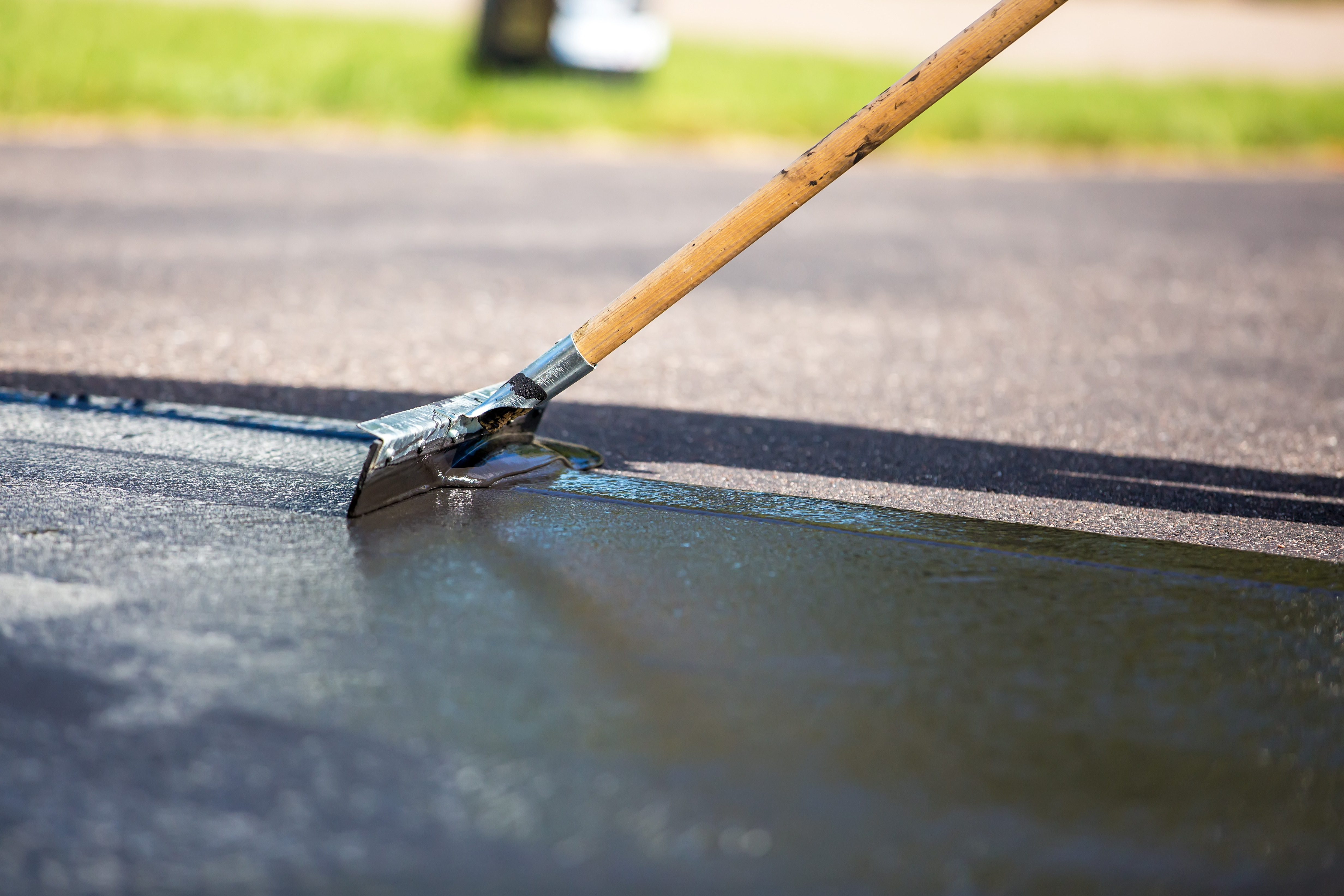
Sealcoating is worth the investment because it protects your driveway from damage, extending its life and the timeframe in which you need to replace it. Sealcoating costs around $500 on average, while replacing a driveway costs about $5,000. Sealcoating delays the need for replacement and it also helps keep your driveway looking newer for longer. As an added bonus, sealcoating can boost your property value and curb appeal, making it worth the sealing cost once every five years.

You should plan on sealing your driveway about once every five years, although you should plan to do it once every three years if your area experiences frequent rain or snow. Sealing your driveway protects it from moisture, UV rays, and chemicals from your car, like motor oil and antifreeze. If you find that your driveway stains easily or appears to be cracking or fading, you may want to schedule a sealing service regardless of when you last sealed it.

Though they may look similar, tar and bitumen come from different sources. Bitumen is a petroleum product—extracted during crude oil refining—and is mostly made up of hydrocarbons. Tar comes from burning down organic materials like coal or wood. Bitumen is strictly oil-based, while tar is a mix of compounds from natural sources. Both are used as binders in paving; however, bitumen is the standard for today’s asphalt. Tar use has mostly faded out of road construction.

New asphalt goes through two stages: drying and curing. Drying typically takes 24 to 72 hours, after which the surface is solid enough for light use like walking or careful driving. While you may be able to park on it after 72 hours, the surface is still soft and should be treated gently. Full curing is a much longer process, taking anywhere from 30 days to a full year for the asphalt to reach maximum strength. During this extended curing period, the asphalt is susceptible to damage from heavy vehicles, sharp objects, and high temperatures. Factors like weather, the specific asphalt mix, and application thickness all influence drying and curing times. For the most accurate timeline and to ensure the longevity of your new asphalt, it is always best to consult with your installation contractor for their specific recommendations.

The Mitchell, SD homeowners’ guide to driveway sealcoating

From average costs to expert advice, get all the answers you need to get your job done.