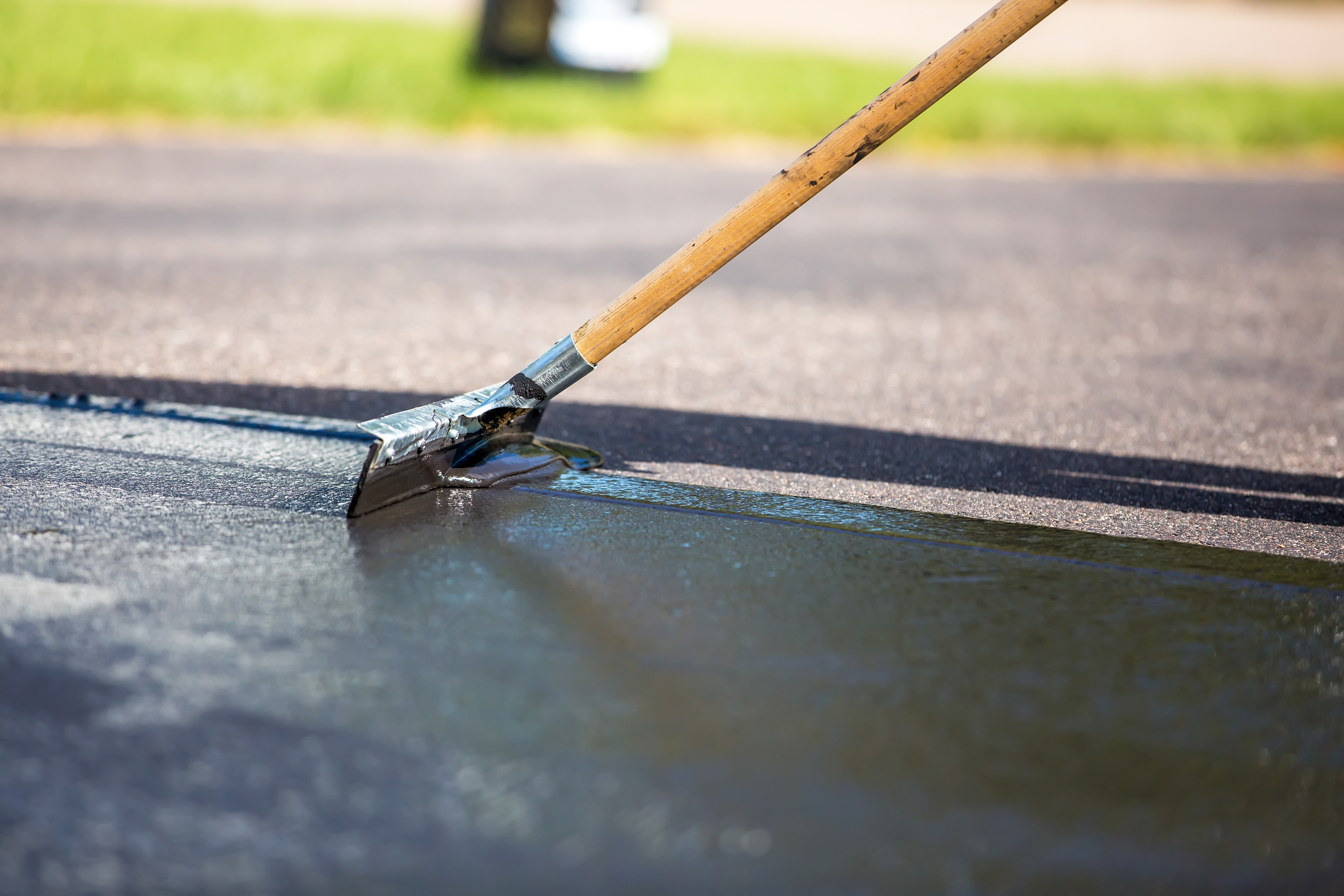





Top-rated driveway sealcoating pros.

Best driveway sealcoating pros near Winner, SD

Enter your zip and get matched with up to 5 pros

Need a pro for your driveway sealcoating project in Winner, SD?

Select your specific project to find the pro for you.

Top-Rated Driveway sealcoating pros in Winner - Updated Nov 2026

Jim Daley
1.0(
1
)
Asphalt Sealing

Serving Winner, SD and surrounding areas

In business since 2019

Free estimates

Credit card accepted

We are a locally owned and operated company. We do Farm and Ranch and Hot Rubber Grain Bin Sealing and Rubberized aluminum roof coating and Houses and Buildings Painting and Asphalt Sealer and Hot Rubber Crack Filling and We offer a with our clients and guarantee your satisfaction! I can be contacted at [email protected] or 806 473 7719 or 901 240 2066 or 806 928 7829

 Jim Daley
 Jim Daley
 Jim Daley
 Jim Daley
 Jim Daley

+12

Driveway Sealcoating FAQs, answered by experts

A properly applied asphalt driveway sealer, or sealcoat, should last between one and five years. The industry standard is to reseal every two to three years for optimal protection. If you live in a climate with extreme weather, such as heavy rainfall or freezing temperatures, you may need to reseal your driveway more frequently, around every two years. Signs that your driveway needs a new coat of sealant include the appearance of small cracks or uneven drying after rain.

Regular sealing, crack filling, and professional inspections help extend pavement lifespan and prevent costly repairs.

Yes, it’s possible to seal your driveway too much. Whether you have an asphalt or concrete driveway, sealing it every year opens your driveway to potential damage. Sealing an asphalt driveway annually may cause the seal to crack and peel even more. It may even trap oils within the asphalt that can leave you driving on a soft driveway. Avoid sealing your concrete driveway too much to prevent the concrete from cracking. If water enters these cracks, it can freeze, expand, and cause the cracks to worsen.

Ideally, you should seal your driveway when there won’t be rain for several days, but at a minimum, there can’t be rain for at least 24 hours. If it rains shortly after you seal your driveway, the water can wash away the sealer and render your work useless. You’ll have to wait for your driveway to dry out and try applying again. Note that some sealers—like oil-based sealers or specialty fast-drying sealers—may cure faster. Ask your contractor for information on timing before the install, and if there’s rain in the forecast, postpone the job.

While blacktop is a type of asphalt, the terms should not be used interchangeably, as not all asphalt qualifies as blacktop. The primary differences are in their composition, production process, and ideal applications. Blacktop contains more stone than other types of asphalt and is heated to a higher temperature during production—300°F or more—while hot-mix asphalt is heated to between 275°F and 300°F. The ratio of bitumen (a tar-like crude oil) is a key differentiator, though sources vary: some state blacktop has less bitumen, making it less durable, while others claim it has a higher ratio. Due to these differences, asphalt is generally more durable and better for high-traffic areas like highways and streets, while blacktop is more suitable for playgrounds and residential driveways. For a driveway project, it is best to consult a professional to determine the most appropriate material.

The Winner, SD homeowners’ guide to driveway sealcoating

From average costs to expert advice, get all the answers you need to get your job done.