"As a property manager I have hired these guys for several of their services they provide and they have been nothing but easy to work with and very professional."
"AHS is ok. They cover repairs of most everything under the roof of your house. The companies that contract with them are not always the best. You call AHS with the issue, they send a fax to the repair company and give you the contact info. If they don't contact you within 24 hours, you call them. Sometimes they answer, sometimes they don't. When they arrive (usually three days or so later), they service the item. if it has issues within the 90 days, you call AHS again, they are sent out with no charge. If the serviceman decides the unit is unrepairable, AHS will allow you to choose a replacement from their listing (usually not as good as what you have) they will install and remove your old item, or give you wholesale amount to buy and install your own. Prices vary on what you want covered and what you want the copay to be, plus where you live. For me it is 49.99 per month with a 75.00 time of service order. You can have more than one item serviced at the same time under the same fee. If you have a SEAR product the repair guys are great. Not that wild about the other ones they send out. But it is a big savings compared to calling someone on your own. The cost of service is only the 75.00 copay."
We pride our company on reliability, great communication, integrity, and quality work. We are experts in our trade and will do our best to keep you as educated as we can on your particular task or project. We look forward to earning your business! Book with us online or feel free to give us a call today!
\n
\n
Mold Testing and Remediation questions, answered by experts
Having a dry house can be unhealthy for you and the home. Excessive dryness can lead to respiratory issues, dry skin, dry or sore throats, and other problems. Additionally, any wooden furniture and the home's structure and floors can suffer from cracking and shrinking under dry indoor air conditions, leading to gaps and splits.
Yes, both mold and mildew can grow under outdoor rugs if they are exposed to water or humidity for a prolonged period of time. This is why frequently cleaning an outdoor rug and checking its state is important.
Signs of mold under silicone caulk include discoloration or dark spots appearing through or around the caulk, a musty odor in the area, and visible growth on the surface of the caulk. Additionally, if the caulk feels soft or spongy, it could indicate moisture trapped underneath, which is a breeding ground for mold.
In most cases, it's not worth the risk of buying a home with mold. You should carefully weigh the pros and cons before making a decision—and there are far more drawbacks than benefits. For one, buying a house with mold opens you up to health risks since mold can cause respiratory and allergic reactions. If the mold is widespread throughout the home, the cost to completely remove it, make necessary repairs, and prevent it from returning is often not worth the cost savings of buying a mold-infested home for a bargain.
Drywall can be toxic to the environment and to humans in some cases. As drywall breaks down in a landfill and comes in contact with other organic chemicals, it can create hydrogen sulfide gas or leach into the groundwater. Additionally, the CDC recommends methods for controlling the inhalation of drywall dust when handled. While the common ingredients of drywall—gypsum, silica, and mica—are naturally occurring, they can cause irritation in some humans.
The Britton, SD homeowners’ guide to mold testing and remediation services
From average costs to expert advice, get all the answers you need to get your job done.
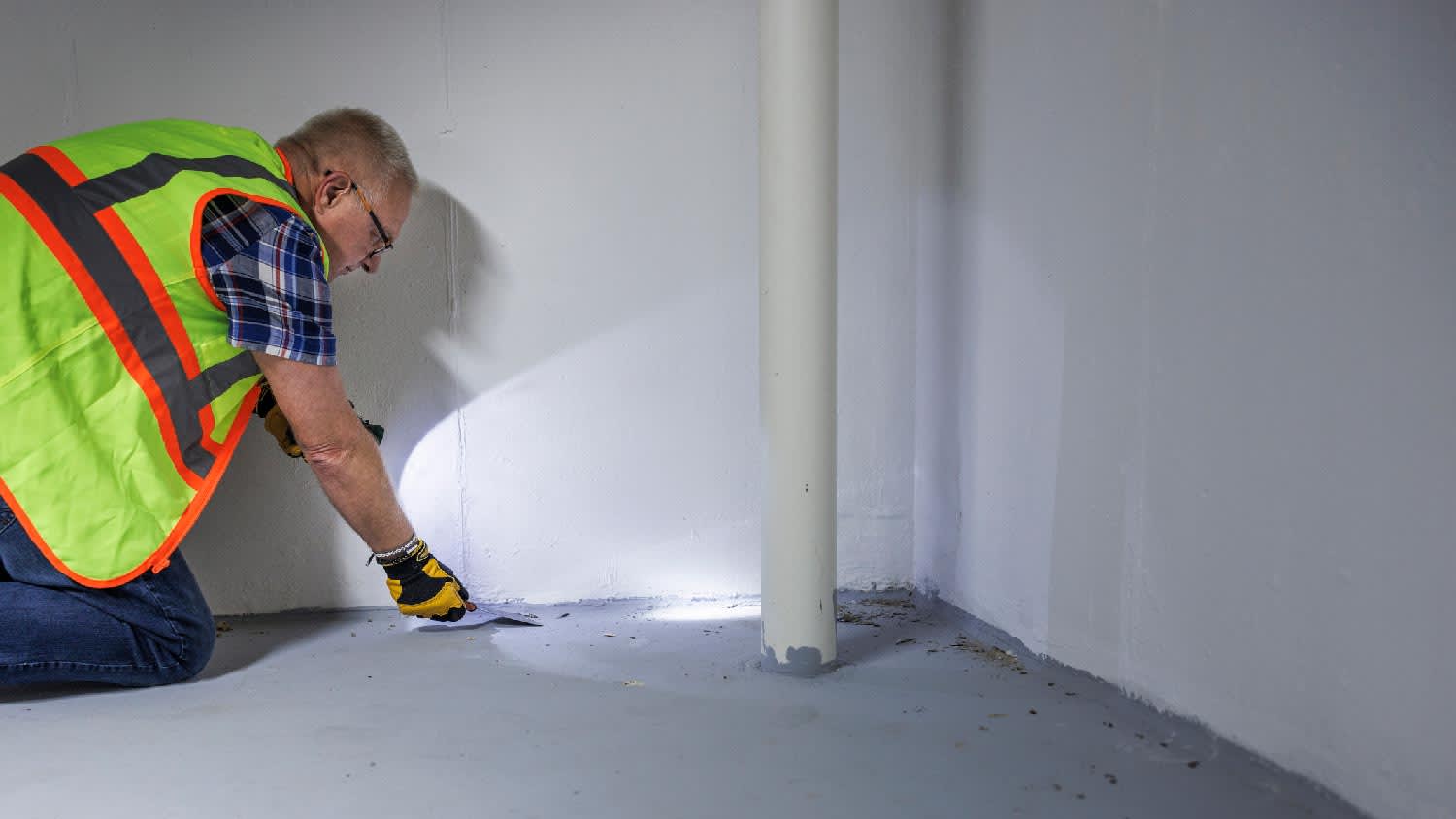
The cost of a mold inspection might seem high, but it’s one of the best investments you can make for your health and home. Read on to learn cost-saving tips.
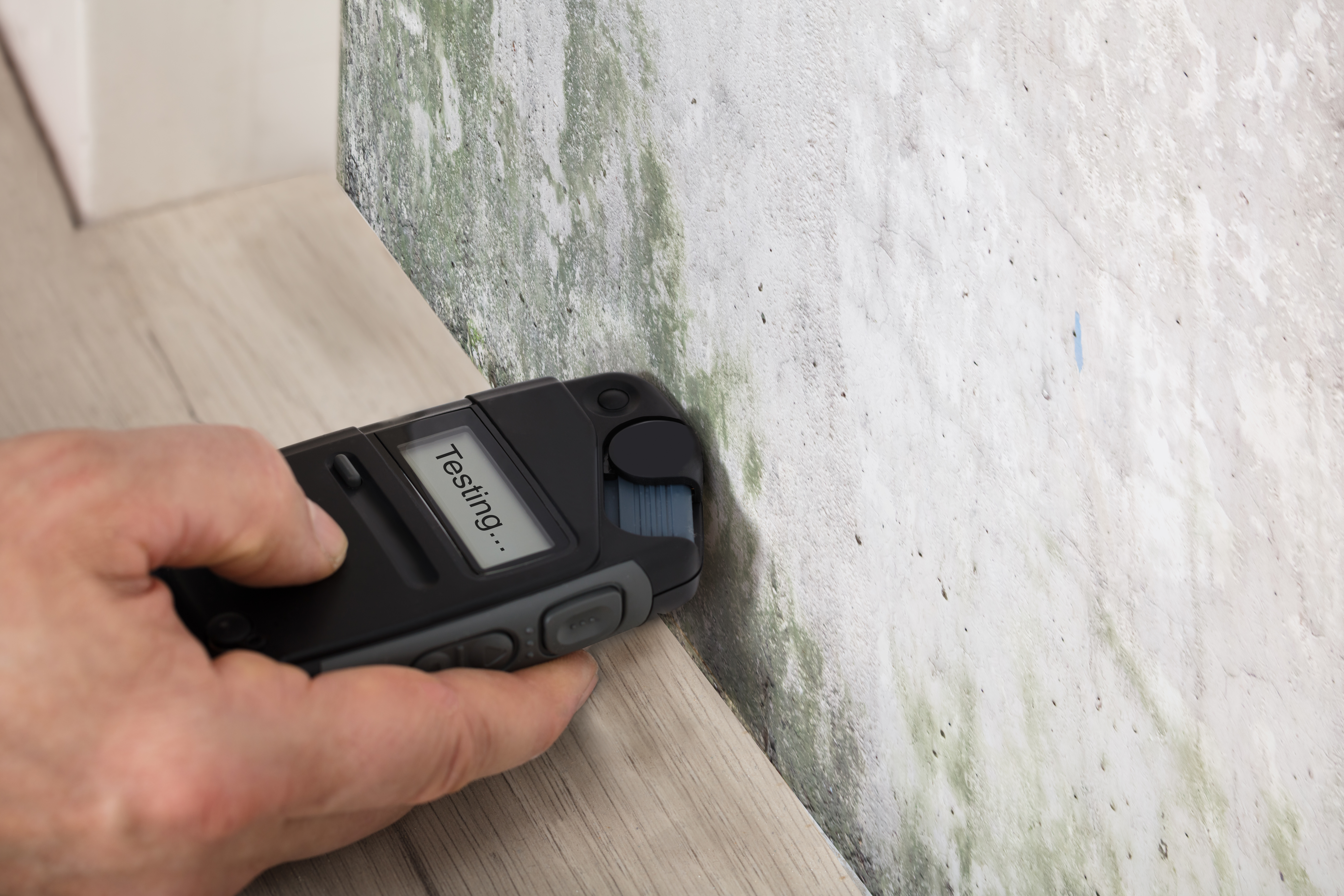
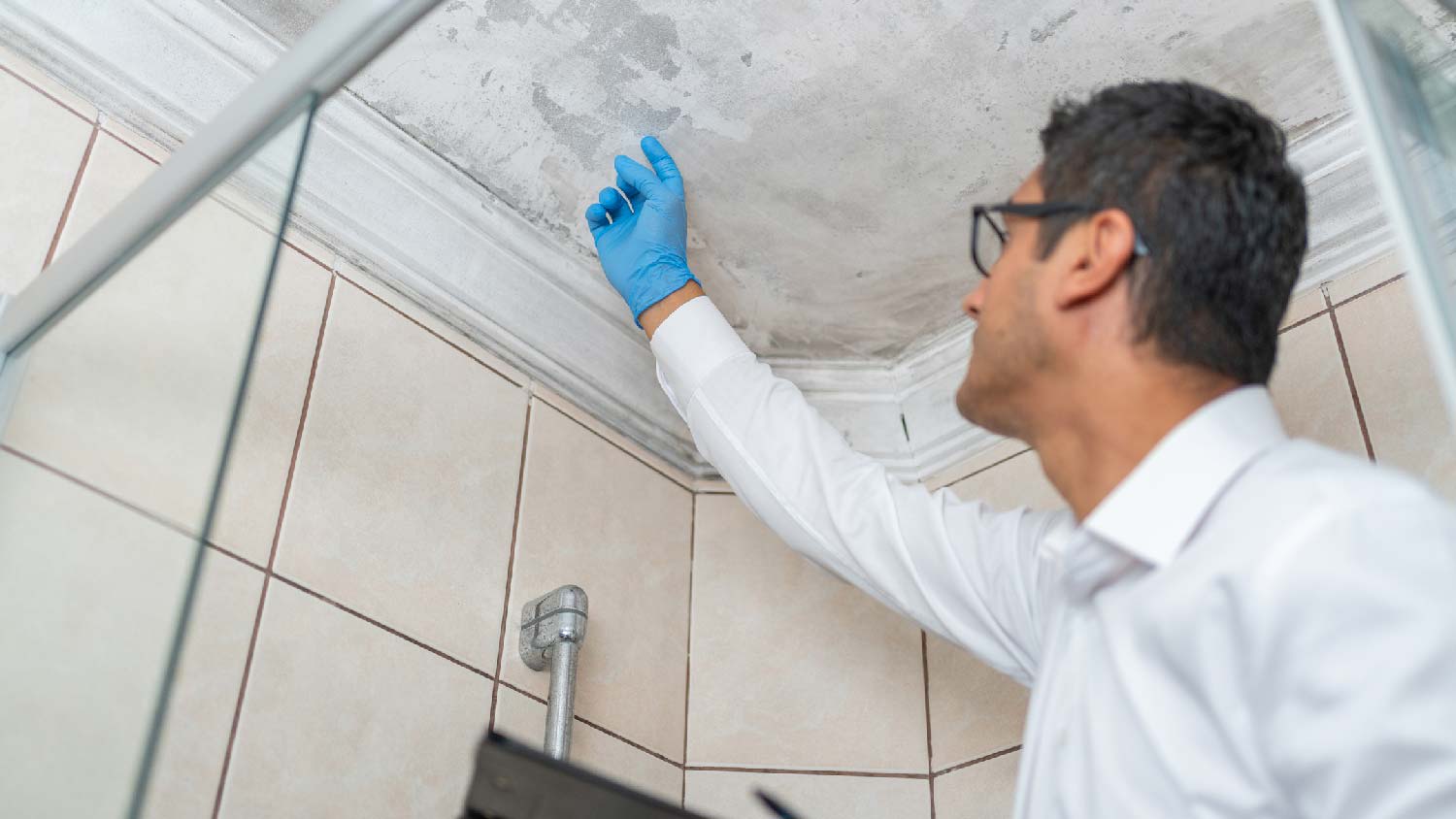
Figuring out how to test for mold in your home is important. Mold testing can offer peace of mind and lets you know if it’s time to call a pro. Learn about mold testing processes in this guide.
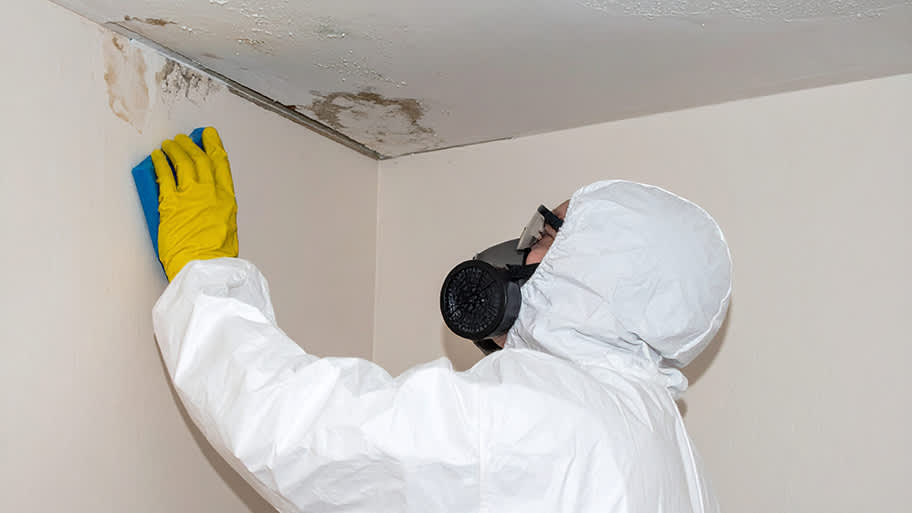
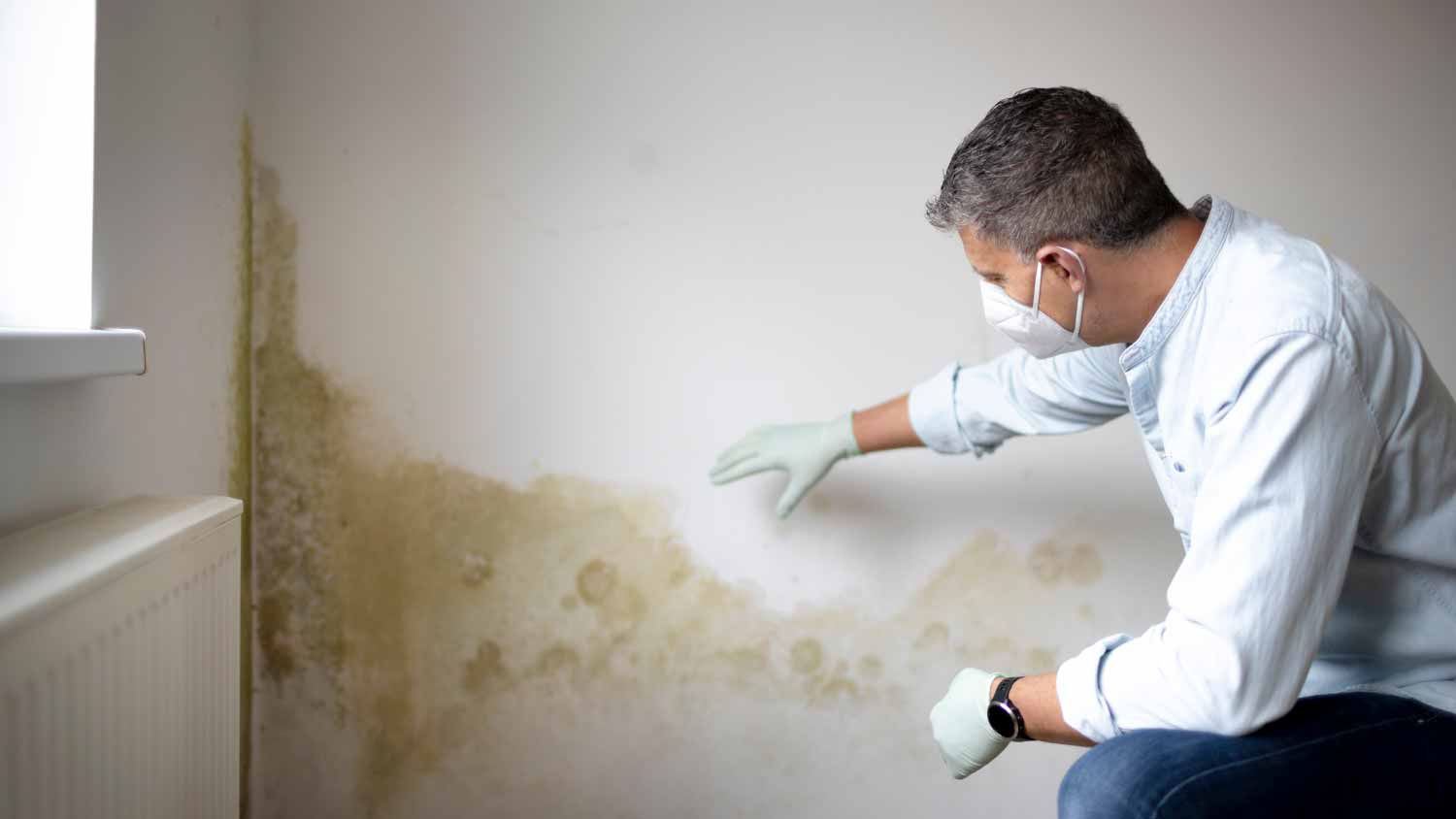
When is mold remediation required at your home? We can help you decide whether the musty odor or the patch of mold you’re experiencing requires a pro’s help.
There's an excellent reason why you should avoid going with the same company for mold testing and mold remediation. Learn why different companies should handle these tasks.