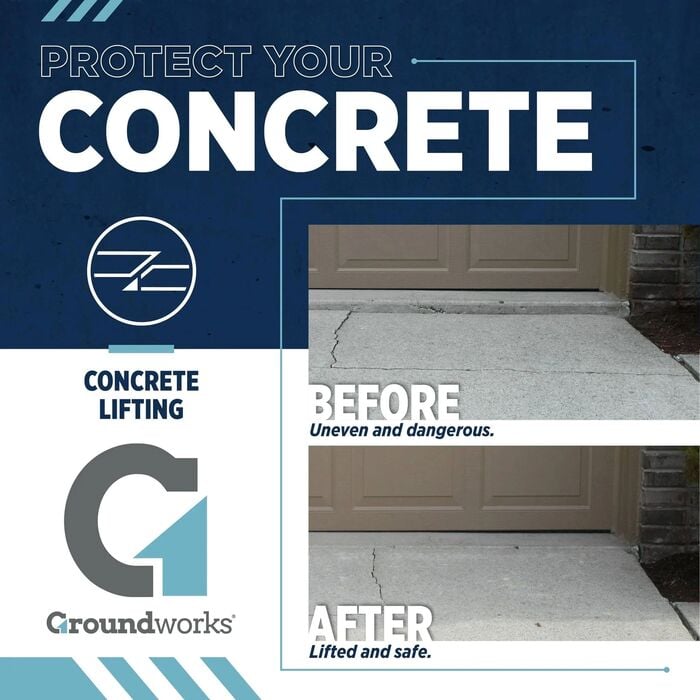
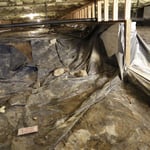
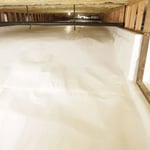
Groundworks is the North America's leading and fastest-growing foundation repair and water management solutions provider. Groundworks is a vertically integrated company with its own manufacturing operations and a world-class software solution, allowing us to serve our customers more effectively. From the first phone call to the annual maintenance offered, our customers have peace of mind knowing we're there with one mission to repair, protect and improve their home. For state licenses visit Groundworks.com/licensing
"Excellent service! Pro was nice, easy to work with, professional! Never would have known he was here, he cleaned the working area so well! I would definitely recommend Blackburn Basement!!"
"Super great carpenter! Did a great job with whatever I asked and he stands behind his bids and his job. He came back and checked things over a year later and made sure everything was still up to par."
At Maassen Concrete we pride ourselves on being the best plumbing company in the area. We have built an excellent reputation for customer satisfaction by providing quick estimates, a great attention to detail, and competitive pricing. Being a screened and approved professional gives you the peace of mind you need to allow us to give your home the attention it deserves.
Construction Pros, LLC is dedicated to providing our customers with the best quality and craftsmanship. We are here to build relationships with our customers and communities and to provide our employees with a great place to work. We look forward to working with you! \n
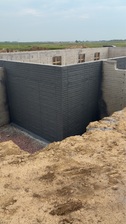
Specialize in waterproofing and crack sealing for poured foundation walls in Sioux Falls and the surrounding areas 11 years experience sealing foundations and crack sealing
"I hired KJ Drywall to frame, insulate, and sheetrock/texture a basement bedroom. Kevin did a great job. He was very knowledgeable about what needed to be done. He worked very hard and completed the job in a good time. He seems pretty efficient. We had a plumbing issue during his work, and he had someone out to fix it within about 45 minutes. The repair was made in Avery professional manner. Long story short, this fellow and his help were very good to work with, very fair with the price, And Kevin seems like just a really good guy. Glad to have worked with him."
"Very quick, very professional, the entire crew was extremely professional and kind. Would definitely recommend to anyone looking for any type of painting or more!"
Yes, you can cut patio stones with a circular saw. Similar to using an electric grinder, you will need to use a diamond blade as this is the most effective blade for cutting a material like stone. The stone must be wet when using a circular saw to ensure the cut is smooth.
Yes, staining a brick home can increase a home’s value, assuming your pro does a good job and you keep up with maintenance tasks. Staining brick is a much better way to increase a home’s value than painting brick, as the latter can cause chipping, warping, and bubbling. Brick stain, on the other hand, gets absorbed by the surface, so it can still breathe.
The best color to paint a brick fireplace comes down to personal taste. However, neutral colors—like white or gray—will open the space and create a bright modern look, making them popular options. However, choosing a bold color can turn your fireplace into a feature piece that will be the talk of all family gatherings.
You may not need a hammer drill if you’re planning on drilling one or two very small diameter holes in brick. For holes with a diameter of 3/16-inch or less, a regular drill with a masonry bit can do the job. However, the bit will heat up quickly, and the process will take significantly longer than with a hammer drill. Prepare to cool your drill bit down in a bucket of water more often.
Landscape boulders, especially porous stones like sandstone or granite, can crack or break over time. Cracks occur when water seeps into the surface of the stone and freezes. The risk is highest when it rains during the day and temperatures freeze overnight since the moisture has time to penetrate deeper into the rock before expanding.
The Armour, SD homeowners’ guide to masonry services
From average costs to expert advice, get all the answers you need to get your job done.
Door or window lintel replacement costs $400 on average, but there are ways you can save. On the other hand, complicated work will increase costs considerably.
This guide features information on the costs to repair a brick wall, whether or not you need a brick mason to complete spalling, tuckpointing, or a full restoration.
Need to repoint brick in your home to make your home look fresh and new? Use this guide to repointing brick cost to price out your project before starting.
Discover the wide variety of masonry materials for your next home upgrade project. Our guide covers the different types of materials to choose from and more.
When it comes to masonry versus concrete, it can be easy to confuse the two. Use this guide to learn about the differences in appearance, strength, and more.