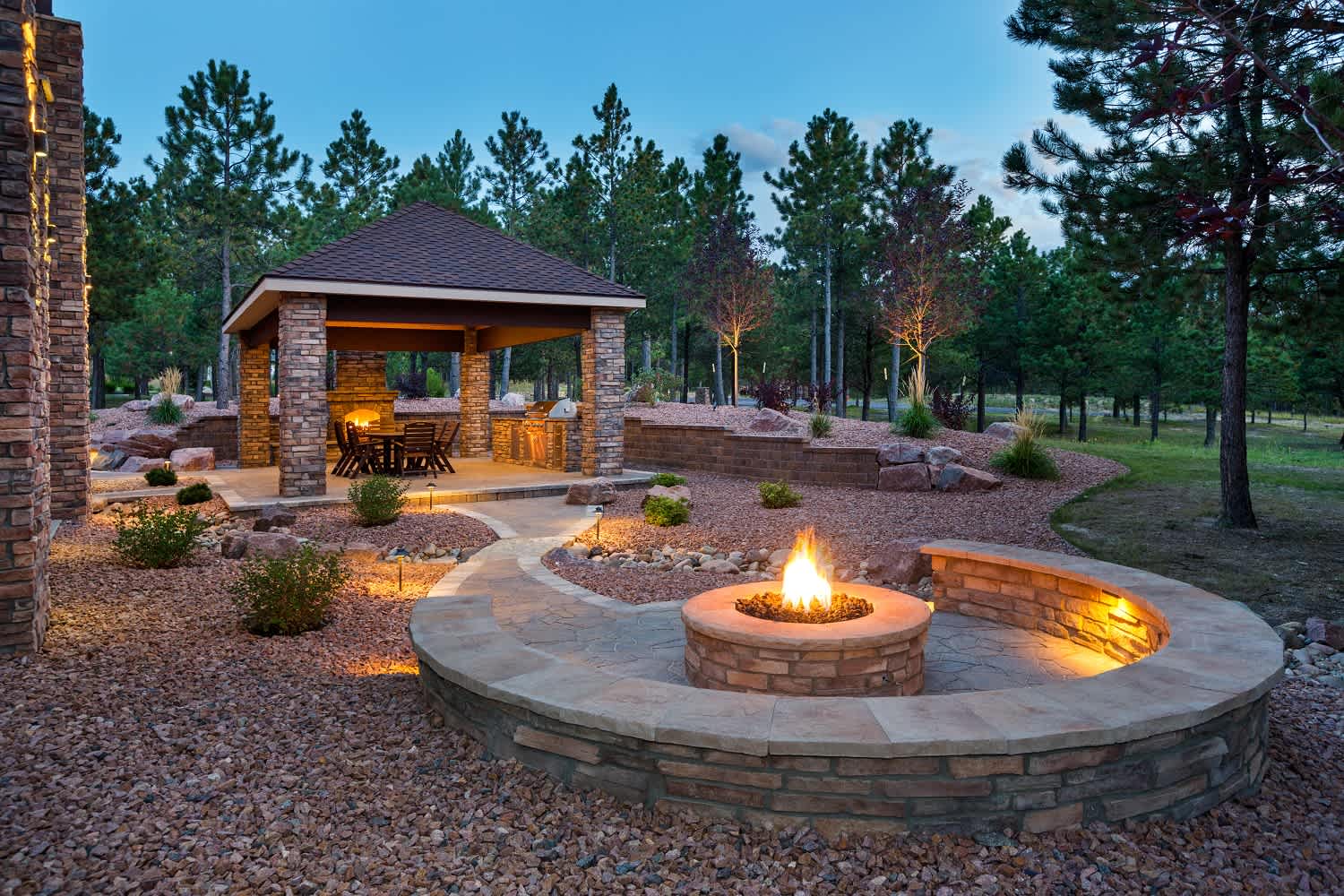



Top-rated fire pit installation pros.

Get matched with top fire pit installation pros in Tega Cay, SC

Enter your zip and get matched with up to 5 pros

Need a pro for your fire pit installation project in Tega Cay, SC?

Select your specific project to find the pro for you.

TRUSTED BY TEGA CAY, SC HOMEOWNERS

  • Average homeowner rating star icon4.4
    Average homeowner rating
  • Verified reviews icon1.2k+
    Verified fire pit installation services reviews

Find Fire pit installation pros in Tega Cay

No results for Fire pit installation pro in

Try adjusting your search criteria.
Fire Pit Installation questions, answered by experts

Yes, it is possible. An electrical fire can break out if the compressor has inadequate ventilation. When it overheats but doesn't have a proper thermal cutout, this can cause the motor to short-circuit and catch fire. This risk is exacerbated if flammable materials, like dust and fallen leaves, are clogging the unit. The compressor overheating won't start a fire by itself, but poor maintenance and installation can increase the risk once it hits its breaking point and short-circuits.

Yes, a faulty or broken light switch can be a serious fire hazard. Malfunctioning switches often result from loose wiring, exposed connections, or other electrical problems that can cause overheating or sparking. Warning signs include crackling, popping, or hissing sounds when you flip the switch, which indicates live electricity that could ignite nearby flammable materials. If you suspect your light switch is faulty, immediately turn off the power at the circuit breaker and contact a qualified electrician to remedy the issue.

If your oven is new, then it’s likely that the oven smoking is due to it being a new unit. In this case, you don’t need to worry about the oven smoking. However, if your oven is old, you can’t identify any burnt food or grease that could be behind the smoking, or you have concerns about the heating element, then you should hire an oven technician to inspect your unit.

Generally, an oil furnace is considered safer than a gas furnace for several reasons. While both types of furnaces can produce carbon monoxide, a leak in an oil furnace is easier to detect due to the smell. Oil furnaces also don't connect to a gas pipeline, which reduces the chance of a fuel leak. Most importantly, heating oil is not combustible, whereas natural gas is highly flammable. This means there is a much lower risk of combustion or explosion with an oil furnace. However, an oil furnace can still pose a fire hazard if it tips over.

When a carbon monoxide alarm goes off, you should always take it seriously. Infrequent and occasional chirps often point to a low battery, a faulty device, or dust buildup (this usually affects smoke detectors and not standalone CO detectors). A continuous alarm signals an emergency, and you should immediately evacuate and call 911. When it comes to carbon monoxide in your home, it’s better safe than sorry.

The Tega Cay, SC homeowners’ guide to fire pit installation services

From average costs to expert advice, get all the answers you need to get your job done.