

C&C drywall
Plaster - Repair - For Business
Serving Seneca, SC and surrounding areas
Approved
Free estimates
I Have over 10 years of experience in drywall and just the general construction field\nI work in the metro Atlanta area but can travel\n\n

 4.5
 15
*The Angi rating for Plaster Repair companies in Seneca, SC is a rating based on verified reviews from our community of homeowners who have used these pros to meet their Plaster Repair needs.
*The HomeAdvisor rating for Plaster Repair companies in Seneca, SC is a rating based on verified reviews from our community of homeowners who have used these pros to meet their Plaster Repair needs.
Last update on August 20, 2025
Serving Seneca, SC and surrounding areas
Approved
Free estimates
I Have over 10 years of experience in drywall and just the general construction field\nI work in the metro Atlanta area but can travel\n\n
Serving Seneca, SC and surrounding areas
In business since 1999
Free estimates
Warranties offered
"I used SCW DRYWALL for a few projects in preparation to sell my condo. The initial work was great. Mr. Smith quickly provided quotes with photos of the damage. He got the repairs done within his time frame and provided images of the repairs...all good. This prompted me to consider him for other tasks that we needed done. My next experiences with him began to change. Between not being able to get reliable call backs and confirmation of repairs I, eventually, had to find another repair person. He's a cool guy but it appears that the more comfortable he gets the less professional things become. If you have a single job you'll probably be just fine. But I couldn't recommend him for anything other than small, one-time jobs."
+8
Serving Seneca, SC and surrounding areas
In business since 2012
Free estimates
Emergency services offered
"Great. They were respectful, responded to all of my questions and issues. I initially purchased the deal they had on Angie's list and cancelled it when I didn't get a call back. They eventually reached out to me and apologized for the delay explaining that the weather had put them behind. I was very happy with their work and responsiveness when they were able to work with me."

Serving Seneca, SC and surrounding areas
In business since 2007
Free estimates
Credit card accepted
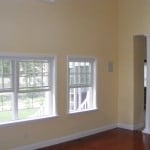
"Theese guys were awesome! They came in and made my living room my favorite room in my house ! The best 300.00 i ever spent.
"
Serving Seneca, SC and surrounding areas
In business since 2009
Free estimates
Credit card accepted
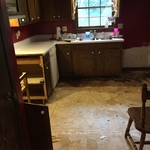
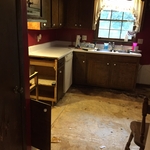
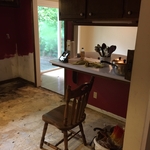
"Charlie And Brandon was very respectful and courteous. They clean up after they finish working each day and respect our home and if it was their home. I would hire them again. Thanks HomeAdviser!"
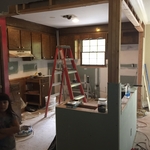
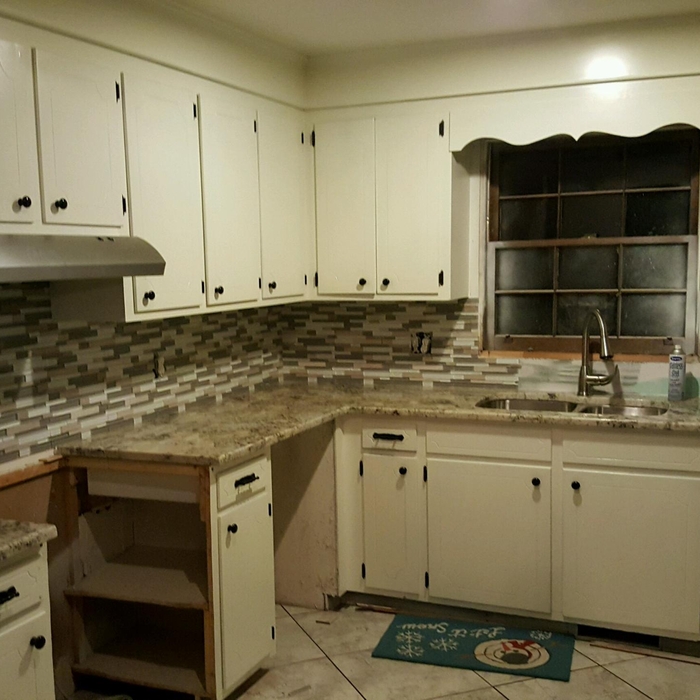
+24
Serving Seneca, SC and surrounding areas
In business since 2015
Free estimates
Credit card accepted
clean profession fastclean profession fastclean profession fastclean profession fastclean profession fastclean profession fastclean profession fastclean profession fastclean profession fastclean profession fast
Serving Seneca, SC and surrounding areas
In business since 1995
Free estimates
"I would recommend him to anyone."
Serving Seneca, SC and surrounding areas
In business since 2015
Free estimates
Credit card accepted
We are committed to excellence in every aspect of our business. We uphold a standard of integrity bound by fairness, honesty, and personal responsibility. Our distinction is the quality of service we bring to our customers. Accurate knowledge of our trade combined with ability is what makes us true professionals. Above all, we are watchful of our customers' interests and make their concerns the basis of our business.
Serving Seneca, SC and surrounding areas
In business since 2001
Free estimates
Credit card accepted
"The work was quality and completed in a timely manner and very affordable prices."

Serving Seneca, SC and surrounding areas
In business since 2014
Free estimates
Warranties offered
"Great communication very detailed work went above and beyond for me and my family"
From average costs to expert advice, get all the answers you need to get your job done.
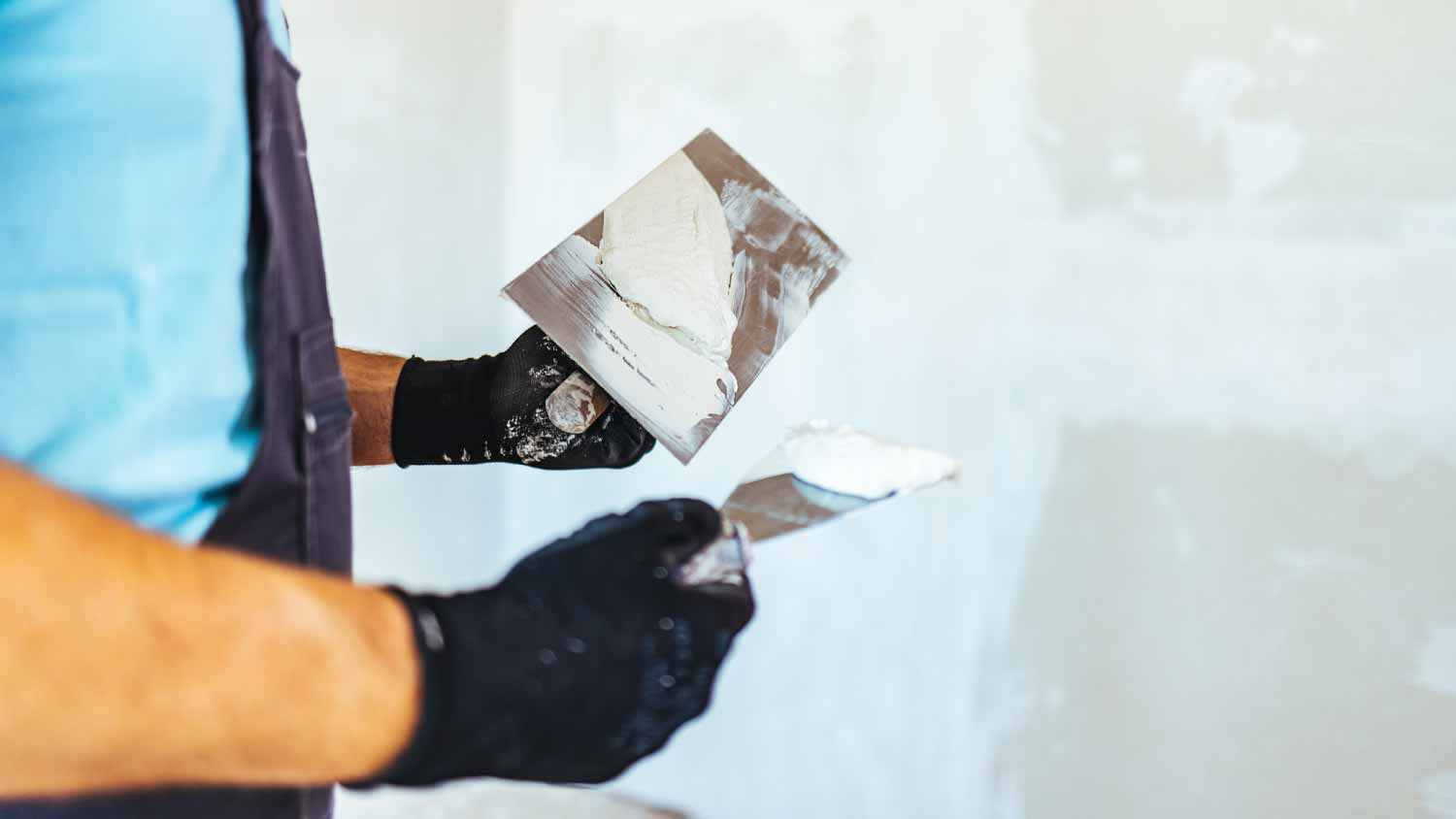
Plaster repair costs are determined by the size and type of damage. Discover why some fixes you can DIY and why some require a pro’s help.
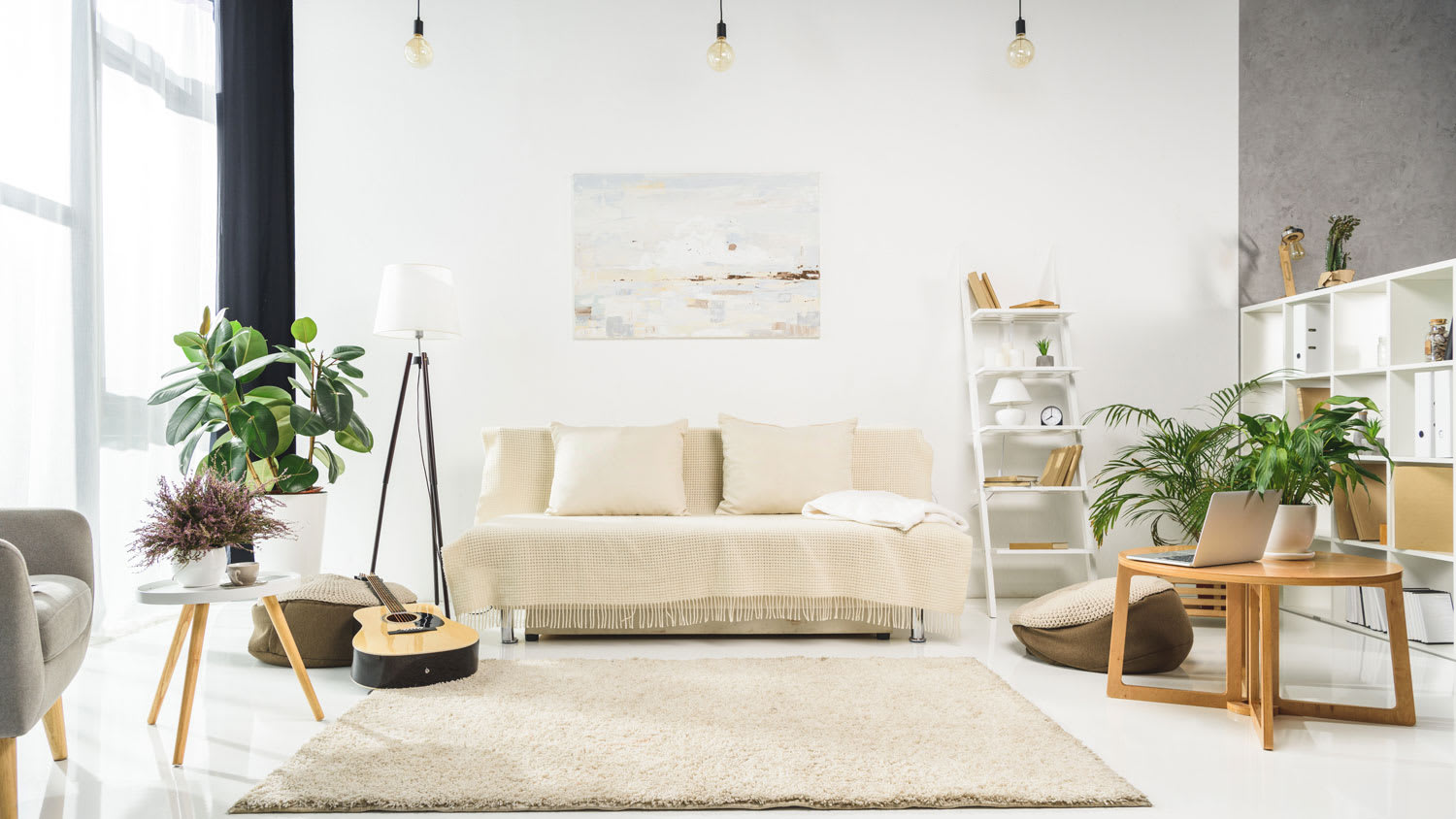
The cost of plastering walls and ceilings depends on the room size and ceiling height. Our tips can help you estimate an accurate cost.
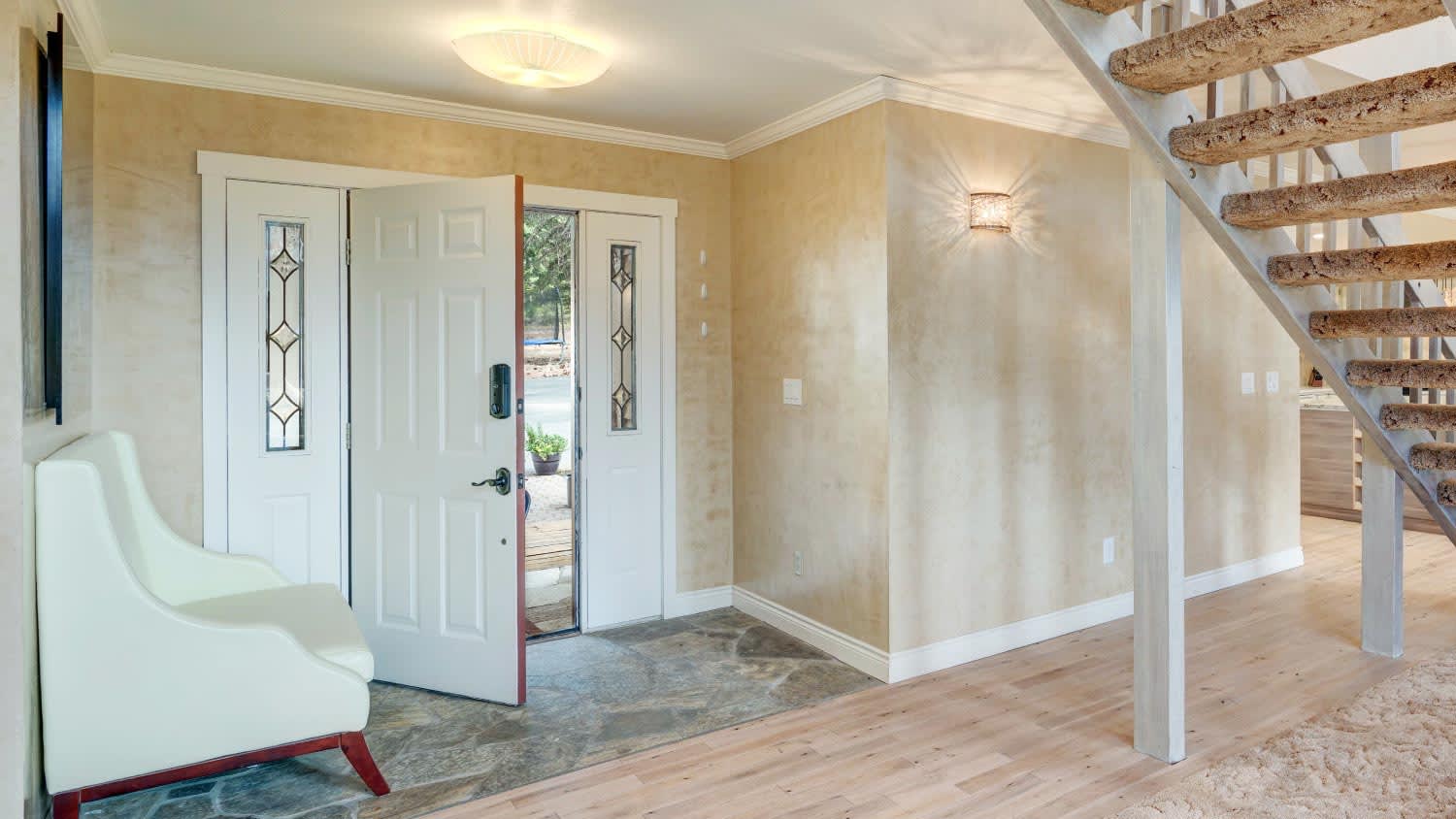
Venetian plaster can add depth and texture to your aesthetic. Learn how much Venetian plaster costs based on factors like square footage and whether you hire a pro to help.
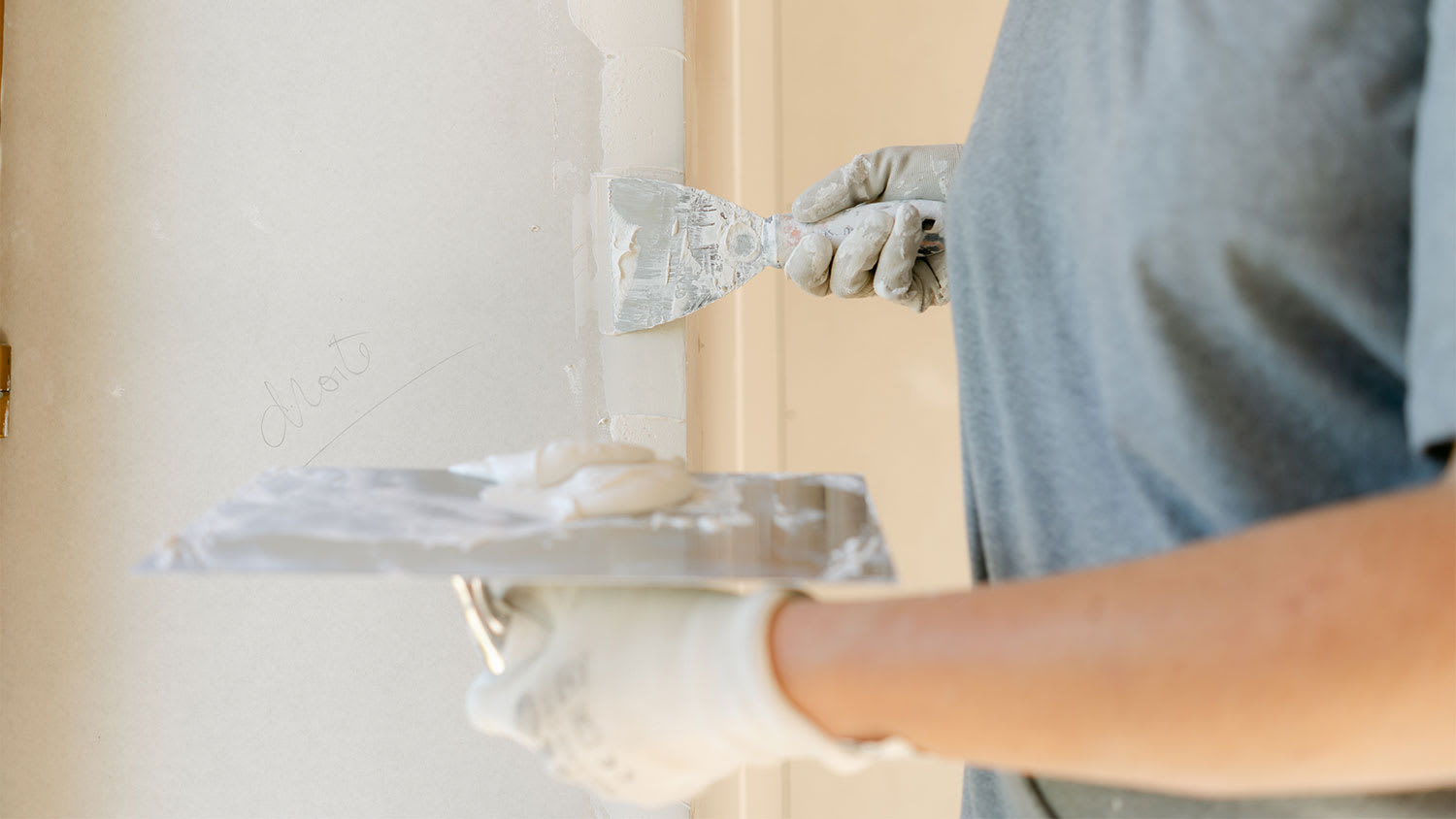
Finding a qualified plaster repair pro? Learn how to hire the right specialist, what questions to ask, and what to expect for your project.
Planning a plaster repair project? Learn about the process, average costs to expect, and how to hire the right local pro to restore your walls.

You can find plaster walls in a lot of older homes. What’s behind these walls—whether that’s lath or calcimine—can have an impact on how long they last. Finding out the age of your house can help you determine what you’re dealing with.