





Top-rated insulation pros.

Get matched with top insulation pros in Saint Matthews, SC

Enter your zip and get matched with up to 5 pros

Need a pro for your insulation service project in Saint Matthews, SC?

Select your specific project to find the pro for you.

TRUSTED BY SAINT MATTHEWS, SC HOMEOWNERS

  • Average homeowner rating star icon4.5
    Average homeowner rating
  • Verified reviews icon10
    Verified insulation services reviews

Find Insulation pros in Saint Matthews

Dani's Painting & Drywall
4.8(
25
)
Batt, Rolled or Reflective Insulation - Install or UpgradeBlown-In Insulation - Install or UpgradeInjection Insulation - Install+2 more

Serving Saint Matthews, SC and surrounding areas

In business since 2020

Free estimates

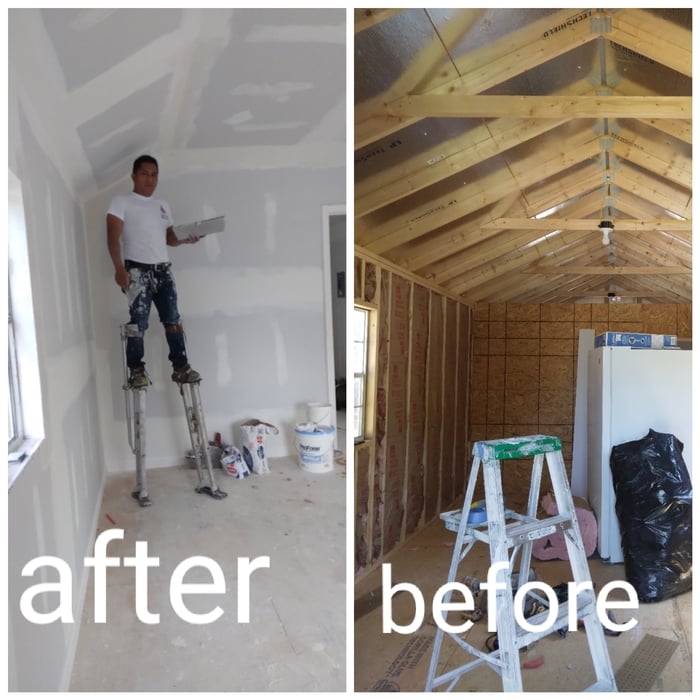
"Dani and his team did a great job hanging drywall,painting, and laying floor in my shed for me. I couldn't have asked for a better or more courtious company to to do my work. They did an excellent job and I would recommend them to other people"
Additional Photos
Additional Photos
Additional Photos
Additional Photos
Additional Photos

+202

Recommended by100%of homeowners
Showing 1-10 of 25
Insulation questions, answered by experts

Rigid foam board insulation is one of the safest insulation materials for basement walls. The panels offer a moisture barrier to prevent mold and mildew build-up. At the same time, this material is also fire-resistant, so you don’t have to worry as much about a fire breaking out as you would with spray foam insulation. 

Garage door insulation can last anywhere from 20 to 100 years depending on the type of insulation. Cellulose has the shortest lifespan coming in at between 20 and 30 years, while spray foam, mineral wool, and fiberglass can last between 80 and 100 years with proper maintenance. 

Humidity plays a role in how long more susceptible insulation materials—like fiberglass—last. Once fiberglass batts reach the 15-year mark, you'll need to routinely inspect your insulation to ensure that it is in mint order.

For standard 2x4 walls, the ideal insulation has an R-value between R-13 and R-15. This level of insulation, typically around 3.5 inches thick, fits well within the wall cavity. Common options include fiberglass batts and spray foam. The best choice for your home can depend on your climate; use R-value maps, like those from Energy Star, to determine the recommended level for your region. For colder climates, you might also consider adding exterior insulation for greater efficiency. Always check with your local building codes to ensure you meet any required standards.

Water freezes at 32 degrees Fahrenheit, but the actual temperature that can cause frozen pipes can vary. Generally, it takes 12 hours for pipes to freeze at 32 degrees Fahrenheit.

Uninsulated pipes can freeze if it’s 20 degrees Fahrenheit or colder for over three hours. If your pipes are insulated, it can take six hours or longer for pipes to freeze. Note that some pipe types freeze more often than PEX pipes. Copper pipes freeze more often because the copper conducts energy and loses heat quickly.
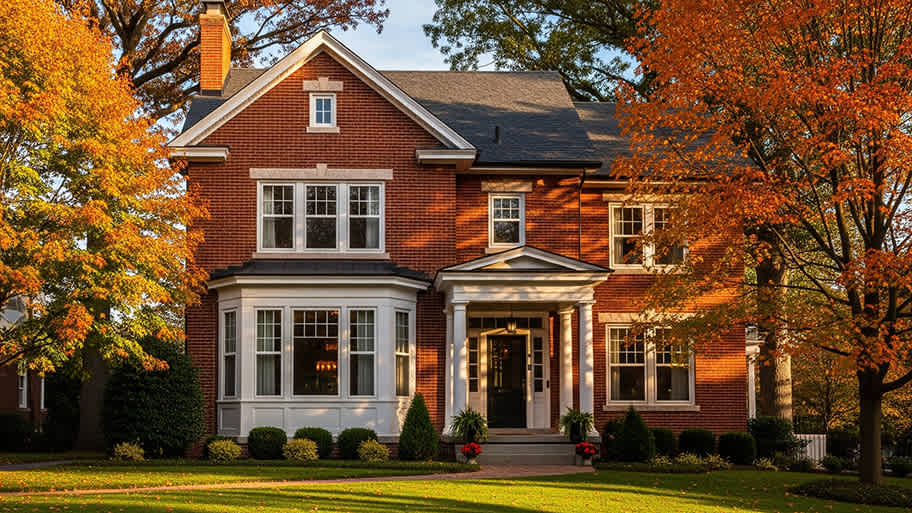
One of the disadvantages of soffit vents is they can bleed warm air from the attic during winter, resulting in slightly higher energy bills and a colder house. There are ways to mitigate this effect—mostly just closing the vent in the fall. What’s most important is your attic is ventilated to some degree in the winter.
The Saint Matthews, SC homeowners’ guide to insulation services

From average costs to expert advice, get all the answers you need to get your job done.