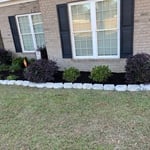
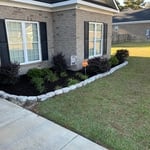
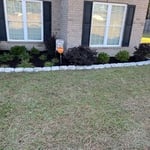
"Mr. Lown did a great job trenching my yard for sprinkler install. He went above and beyond to help me and not damage anything. I will be using Lown Performance again in the near future."
"Lee was very professional. Provided me with detailed estimate and completed the job in the time we agreed upon. Would definitely do future business with this company."
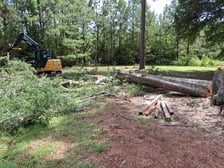
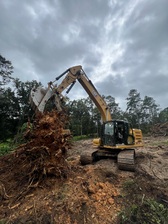
I am a master operator with over 40 years experience in commercial and residential grading and excavation experience including site prep installation of utilities water sewer and storm drain. I have an extensive knowledge in materials and am highly motivated for excellence in my field.
Hi, I’m the owner of Palmetto Property Improvement. We help homeowners and property owners keep their outdoor spaces clean, maintained, and looking their best. We specialize in lawn care, landscaping, property cleanups, and junk/waste removal.\nWhether you need routine lawn maintenance, help cleaning up an overgrown property, landscaping improvements, or unwanted items hauled away, we’re ready to get the job done. We take pride in being dependable, working hard, and treating every property like it were our own.\nOur services include: • Lawn mowing & maintenance\n• Landscaping & yard improvements\n• Brush, debris & yard waste removal\n• Junk & unwanted item removal\n• Garage, yard & property cleanouts\n• General property cleanup\nNo job is too small—if you have a property that needs some attention, reach out to Palmetto Property Improvement for a quote. We’d be happy to help you get your property cleaned up and looking great again.
There is no standard depth for burying a septic tank; they are typically buried anywhere from 4 inches to 4 feet underground. The final depth depends on several factors, including the depth of your main sewer line, the height of the bedrock, soil type, local regulations, and the property's landscape. If you plan to grow grass or plants over the tank, a depth of at least 4 to 6 inches is recommended. Deeper tanks can be more difficult to locate, but a septic professional can help find it for you.
To locate an underground downspout, you should start by identifying where the above ground gutter drains. Look for an entry point, such as a pipe or elbow leading into the ground. Follow the surface path for signs like depressions, landscaping disruptions, or wet areas after rain. You can use a metal detector or plumber’s snake to trace the pipe underground. For deeper pipes, a professional locator tool or camera inspection may be necessary. Visual markers or utility maps can also guide the search.
While general contractors sometimes handle demolition, you can also look specifically for local demolition contractors. Demolition experts need to understand structural integrity, the equipment needed for safe demolition, and the permits required for demolition.
The best way to protect tree roots is to avoid the roots entirely by excavating outside the root radius of the tree. For nearby projects, it’s a good idea to construct a temporary retaining wall. But that’s not always possible, depending on the project and the root system. In these cases, consider using alternative equipment like an auger to tunnel under the ground.
Remember, tree roots can damage nearby cement foundations as they grow. If a tree is close enough to interfere with large excavations, it may be better to remove the tree than risk future problems.
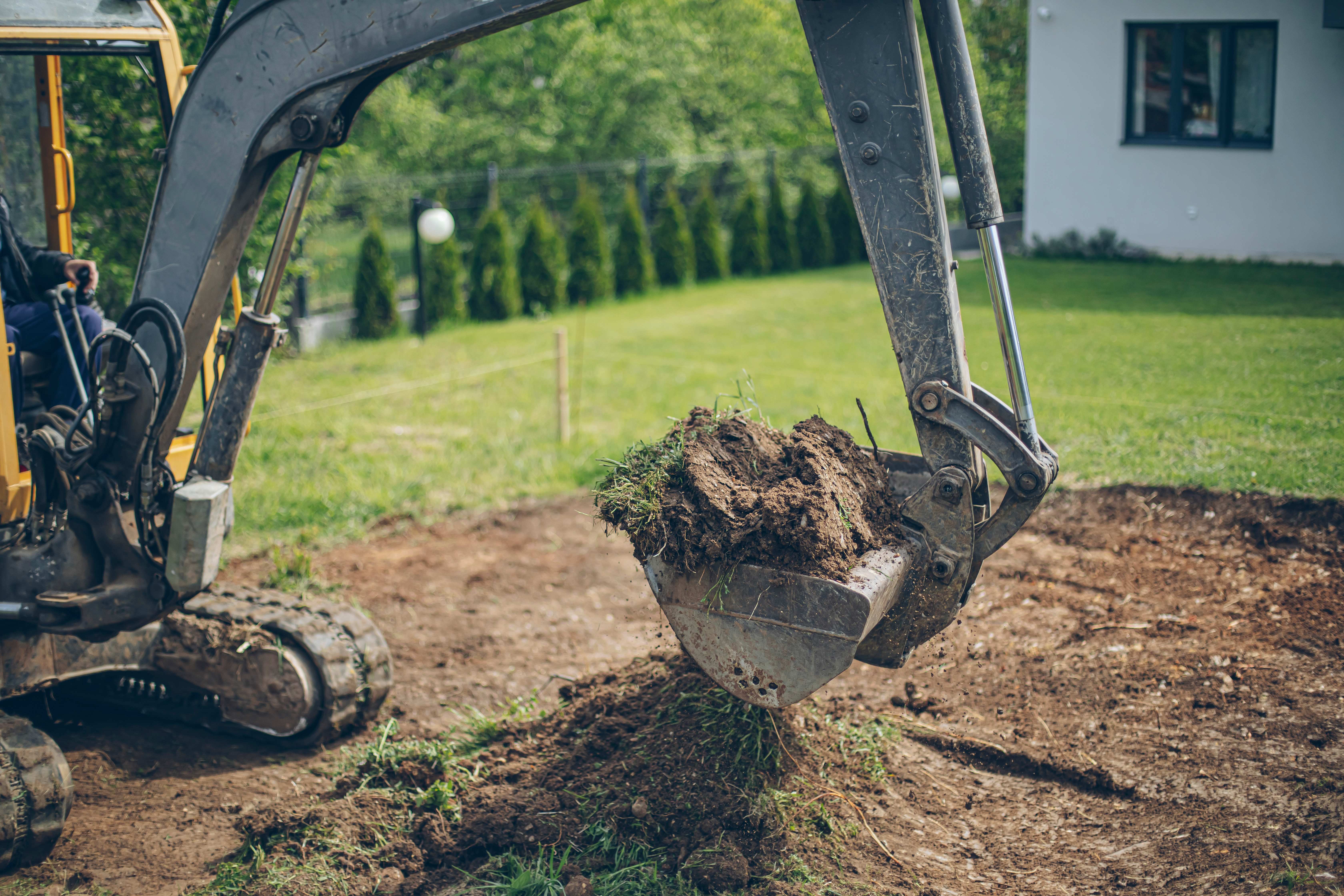
Trenching is a specific kind of digging. Trenching means digging a depression in the earth that’s deeper than it is wide, often with heavy machinery. Digging refers to any kind of removal of earth in order to create a human-made depression, hole, or cut in the earth’s surface. You can dig with big tools or even with just a hand shovel.
The Saint Matthews, SC homeowners’ guide to excavation services
From average costs to expert advice, get all the answers you need to get your job done.
Excavation costs $1,500 to $6,300 for most residential projects—but it depends on factors like the size of the area. This guide will help you plan a budget.
You can't have an in-ground pool without digging into the ground. How much does pool excavation cost, and can you take it on yourself? Our guide explains.
Picking the right pro can make or break your project. Learn how to hire an excavation pro with the qualifications and skillset to do the job efficiently.