





Top-rated excavation pros.

Get matched with top excavation pros in Shaw Air Force Base, SC

Enter your zip and get matched with up to 5 pros

Need a pro for your excavation project in Shaw Air Force Base, SC?

Select your specific project to find the pro for you.

TRUSTED BY SHAW AIR FORCE BASE, SC HOMEOWNERS

  • Average homeowner rating star icon4
    Average homeowner rating
  • Verified reviews icon13
    Verified excavation services reviews

Find Excavation pros in Shaw Air Force Base

Avatar for AG Site Services
AG Site Services
5.0(
3
)
Building Site - Preparation and ClearingBuilding Site - Preparation and Clearing - For Business

Serving Shaw Air Force Base, SC and surrounding areas

Approved

In business since 2025

Free estimates

Small jobs welcome

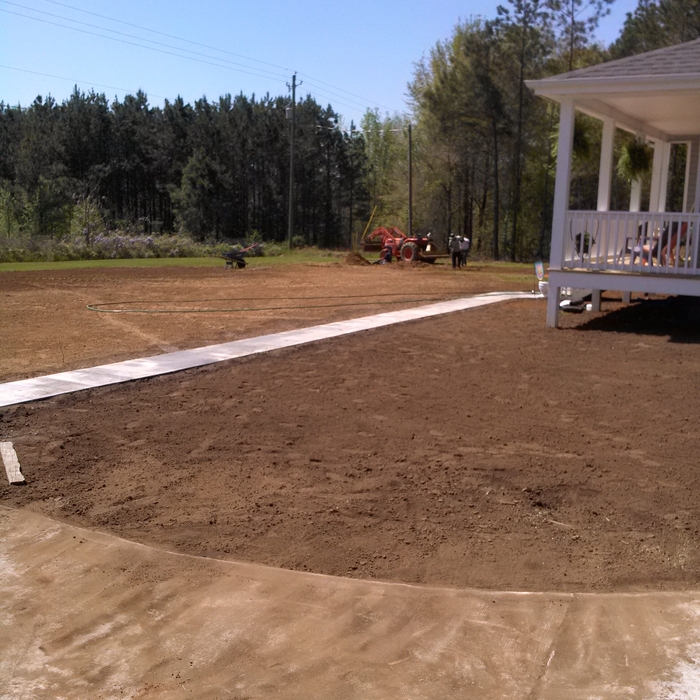
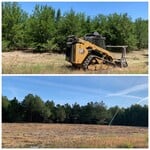
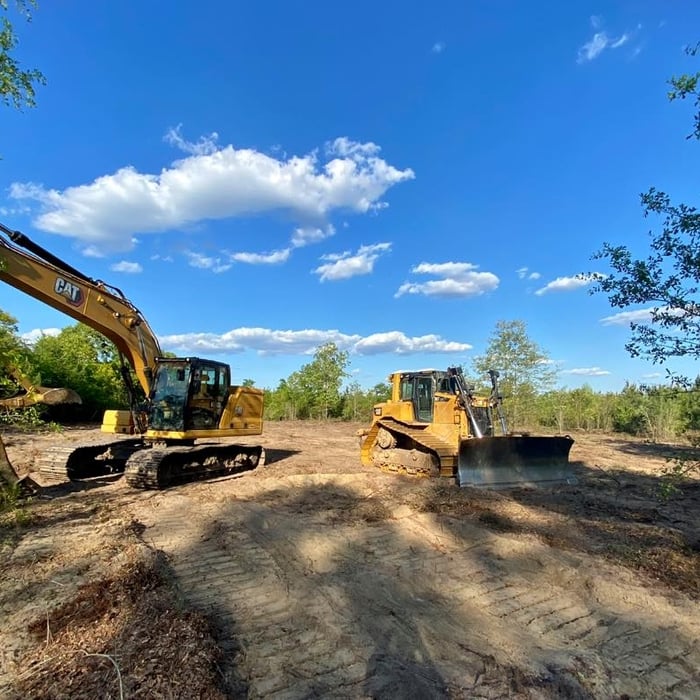
"?????????? Excellent Land Clearing Service! I couldn?t be happier with the land clearing work done by Ag Site Services. From start to finish, they were professional, efficient, and easy to work with. The crew showed up on time, had all the right equipment, and got the job done faster than I expected ? without cutting any corners. They cleared several acres of thick brush and trees on my property, and the results are incredible. Everything was cleaned up neatly, and they even graded the ground to make it look smooth and ready for the next phase of my project. The price was fair, and the quality of work was top-notch. If you?re looking for reliable land clearing done the right way, I highly recommend Ag Site Services. They exceeded my expectations in every way!"
Response time1 day
Response rate100%
12 neighbors recently requested a quote
...
Showing 1-10 of 97
Excavating questions, answered by experts

The average cost of excavation is approximately $3,200, with typical projects ranging from $500 to $15,000. Depending on the contractor, you may be charged between $50 and $200 per cubic yard or an hourly rate of $40 to $180 for an excavation specialist. The total cost is influenced by several factors, including the project size, the amount of soil to be removed, and the soil's condition. Hard soil, tree roots, or excessive rocks and clay can increase the price, potentially adding $200 to $1,200 to the final bill. Other factors that can drive up costs include the presence of nearby structures that complicate the work or tight spaces that require manual excavation instead of heavy machinery.

In most areas, you will need a permit for excavation work, even for projects that only involve grading or yard leveling. Permit requirements depend on your local government and the scope of the project, but they are especially common for significant digging or work that could affect utilities or public property. These permits help protect the local topography and prevent drainage issues. An experienced excavation company will typically know whether permits are needed and can often handle the process of pulling and closing them for you. You can also verify permit requirements by contacting your local building department and describing your project.

Trenching is a specific kind of digging. Trenching means digging a depression in the earth that’s deeper than it is wide, often with heavy machinery. Digging refers to any kind of removal of earth in order to create a human-made depression, hole, or cut in the earth’s surface. You can dig with big tools or even with just a hand shovel.

Most residential basements are 8 to 10 feet deep. You can dig deeper depending on building codes, but it does become more difficult. You’ll likely need to install stronger foundation walls and additional supports to handle the increased load. Depending on the water table, you may also need a water management system. Clay soil can support a deeper foundation than sandy soil. A structural engineer will be able to tell you the maximum, feasible depth.

Prior to excavation, you should prepare the dig site and call 311 before you sign anything.

To get your site ready for excavation, you should move anything in the area that isn’t affixed to the land. You can save money on the excavation by removing hardscaping, including walkways, decks, concrete patios, and paver patios.

Before you carry out any digging, you should call 311 to confirm that there are no utility lines running through your excavation site. Skipping this step could lead to severe injury and property damage if your excavator hits a water, sewage, or gas line.

The Shaw Air Force Base, SC homeowners’ guide to excavation services

From average costs to expert advice, get all the answers you need to get your job done.