





Top-rated ceramic tile pros.

Get matched with top ceramic tile pros in Quinby, SC

Enter your zip and get matched with up to 5 pros

Need a pro for your ceramic tile service project in Quinby, SC?

Select your specific project to find the pro for you.

TRUSTED BY QUINBY, SC HOMEOWNERS

  • Average homeowner rating star icon4.1
    Average homeowner rating
  • Verified reviews icon21
    Verified ceramic tile services reviews

Find Ceramic tile pros in Quinby

The Tile Master
New to Angi
Tile: Ceramic and Porcelain - Install

Serving Quinby, SC and surrounding areas

In business since 2022

Free estimates

Credit card accepted

We pride ourselves on our extreme professionalism and attention to detail. Our customer satisfaction guarantee will assure you we will not leave your property until you are completely satisfied with our work. As a locally owned and operated business you can trust that we will treat your home as we would treat our own. Give us a call today, and we look forward to working with you!

Showing 1-10 of 31
Ceramic Tile questions, answered by experts

Tile costs vary by material; for example, ceramic tends to be more affordable than stone. These influence installation timelines and skill requirements.

Many homeowners have successfully retiled a bathroom themselves. It can be a challenging but rewarding process, but it’s best for someone who already has at least intermediate DIY skills.
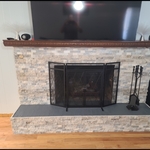
The difference between floor and wall tiles is that floor tiles generally have higher strength and porosity ratings than wall tiles. Wall tiles are typically weaker and more likely to crack or become damaged under sustained pressure like high foot traffic. 

For this reason, avoid using wall tiles on floors and vice versa.

Generally speaking, it is better to cut tile wet when using a fast-moving wet saw to reduce dust and chipping. However, tile can be cut dry when using just about any cutting tool. Dry cutting will result in a bigger mess and may increase the risk of chipping or cracking, but if you’re just making small cuts, dry cutting is a safe and viable option. Cutting dry also means you can apply tile grout sooner, so it’s better for rushed projects.

Grout and caulk are commonly used together, especially in bathrooms. Grout goes between the tiles and keeps them sturdy and in place on the walls or floor. Caulk goes in corners or where two different materials meet (like where the bathtub meets the tile) to create a waterproof seal. However, they are not interchangeable—you shouldn't use caulk to adhere tile and shouldn’t use mortar if you need a waterproof seal.

The Quinby, SC homeowners’ guide to ceramic tile services

From average costs to expert advice, get all the answers you need to get your job done.