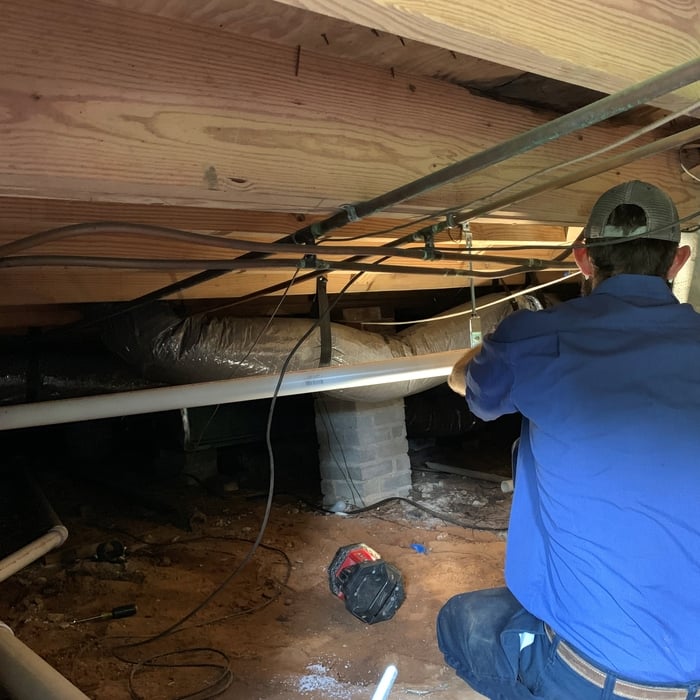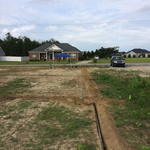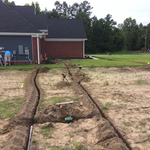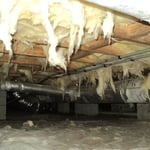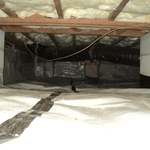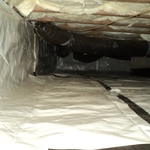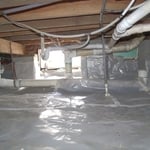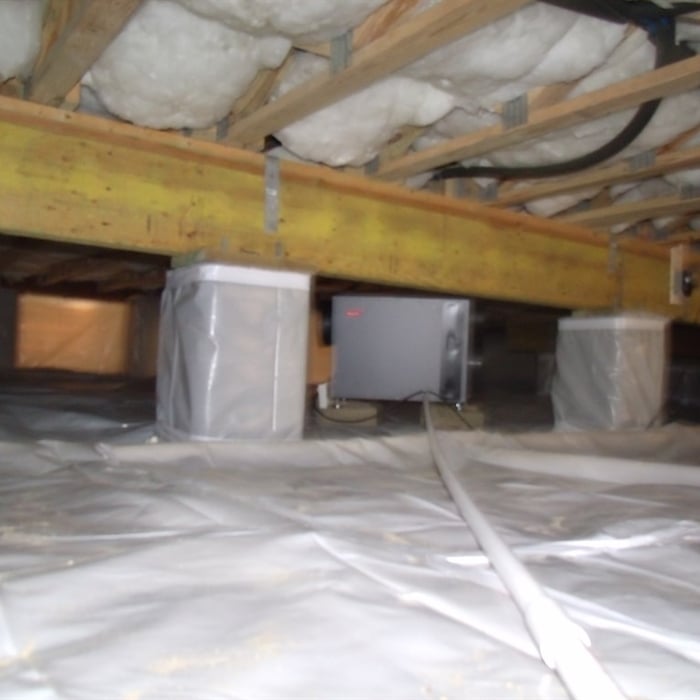







"We shopped around and settled on MVFS because we thought they offered best product. MVFS encapsulated our crawl space plus put in 2 sump pumps/drains. We had it done right before "Debby" and there were some issues due to the amount of rain we got. We called MVFS and they immediately came out and rectified the situation. We worked with Mark (sales), Joe, Dez, Zach and Darryl (encapsulation guys) and all were professional, kind, they explained things well and worked till we were satisfied, even work late nights on occasion. We would definitely recommend them."
"He did an excellent job painting the inside and out side my house, installed a security front storm door and repaired my roof. I would recommend Kevin Wheeler highly to do any of your home repairs. He is just not only a handy man, but a handy man who gets the job done in an adequate time frame and to his customer satisfaction."
Basement Waterproofing questions, answered by experts
You should plan on waiting at least a year and ideally two to three years after construction before finishing your basement. This will give the foundation time to settle in response to the weight of your home and the expansion of the surrounding soil. You can then repair your foundation and seal any cracks as needed before finishing it to reduce your risk of future leaks or other issues.
Yes, slab leaks are fairly common, especially in older homes and places that are prone to earthquakes which can move home foundations.
Crawl spaces are the more desirable option overall because they provide additional space for storage and utilities, but they are more expensive to install and maintain. Slab foundations are considered a better option in warmer climates where the depth of the frost line isn’t an issue because they’re more affordable, but crawl spaces are better in areas where the frost line is deep or where flooding can be an issue.
Since basements are prone to water and moisture issues and the resulting problems can be expensive to repair and potentially damaging to your home, basement waterproofing is almost always worthwhile. Even for homes that haven’t experienced water infiltration, waterproofing the basement is insurance against facing expensive repair bills in the future. All basements will leak at some point, so fixing drainage issues and taking steps to prevent moisture and water infiltration is wise.
Thankfully, you do have a few sump pump backup options in case it fails. One option is a battery-powered backup sump pump. Another option is using a portable backup generator as a power supply for your sump pump. Unlike a battery-powered backup which has limited power, a generator can run around the clock for as long as you need it.
Or you can opt for a water-powered backup pump, which uses your home’s water supply as a source of power. However, this may not be the best option if you find your house frequently has low water pressure.
The Nesmith, SC homeowners’ guide to basement waterproofing services
From average costs to expert advice, get all the answers you need to get your job done.
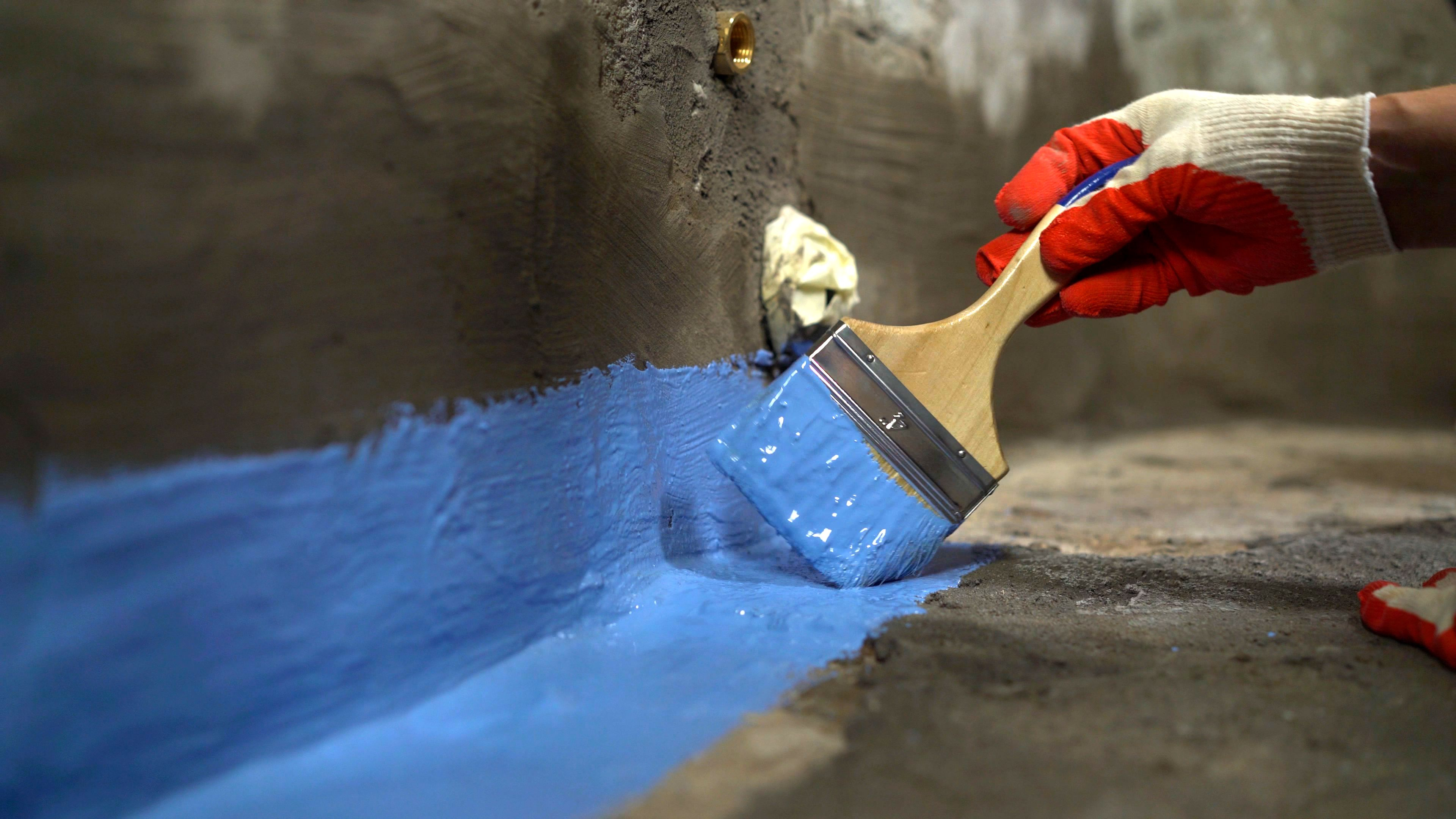
Need to fix basement water problems or safeguard your home from damage in the future? Use this basement waterproofing cost guide to budget appropriately.
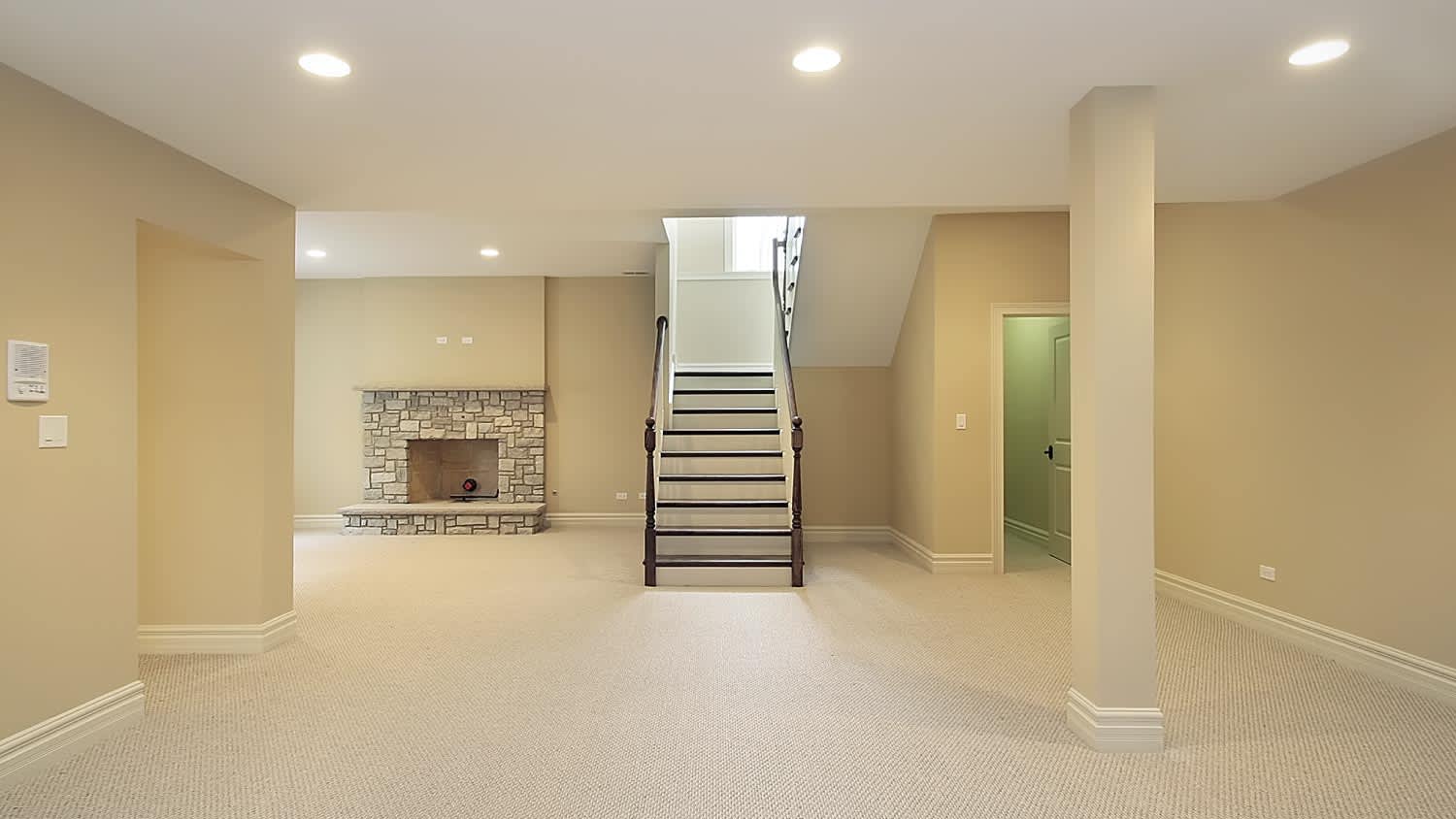
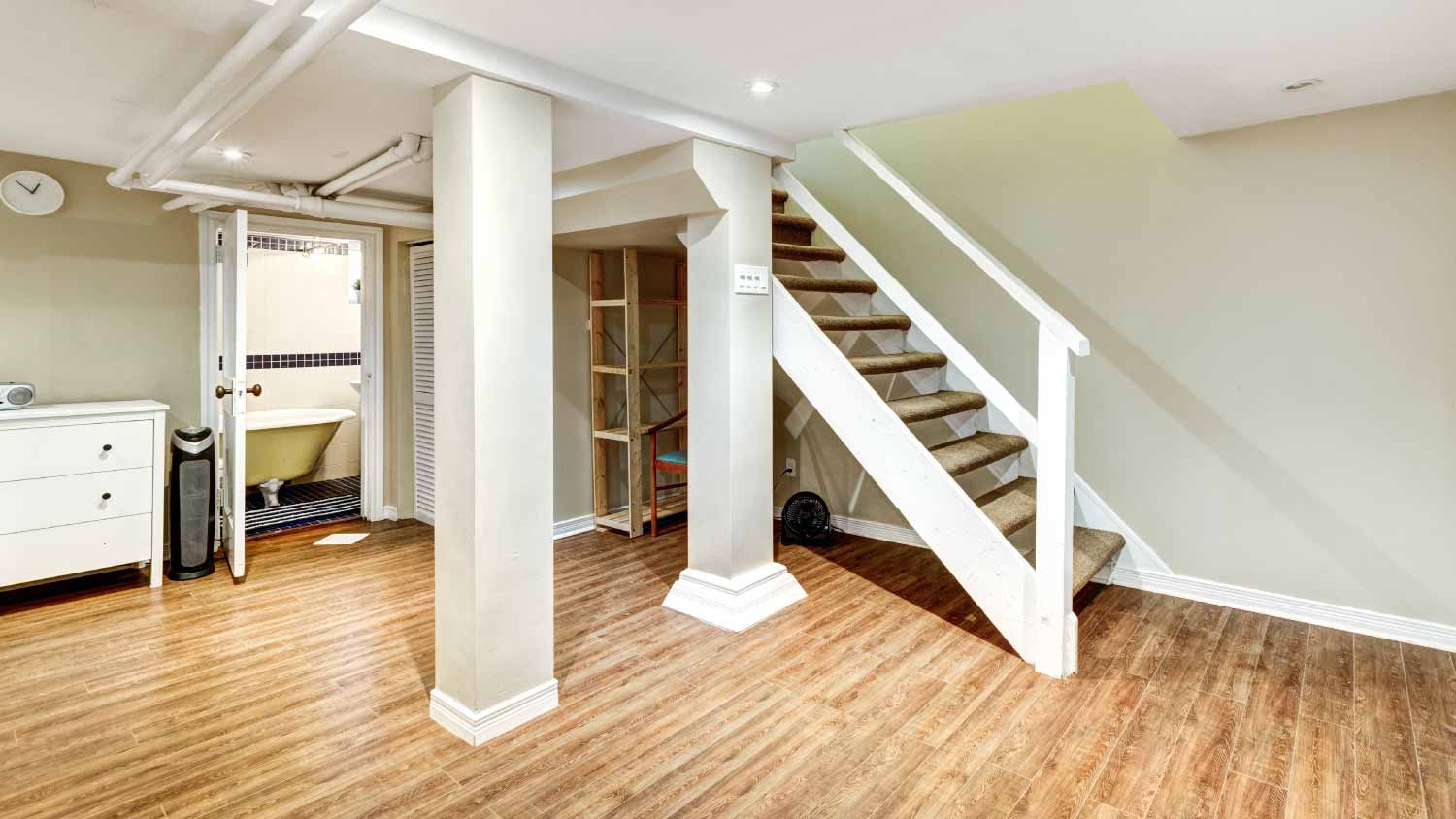
An unfinished basement has a lot of potential for a family room or guest suite. So how much does it cost to finish a basement? Read on for all cost factors.
A variety of factors can affect your total crawl space encapsulation cost. Here’s a breakdown of the cost of this project, whether you hire a pro or DIY.

Waterproofing your basement is important to protect your home. Follow these tips to ensure that you hire the right waterproofing contractor for the job.
Dealing with a damp basement? Follow these steps for DIY basement waterproofing to keep water and moisture out and boost your home’s energy efficiency.